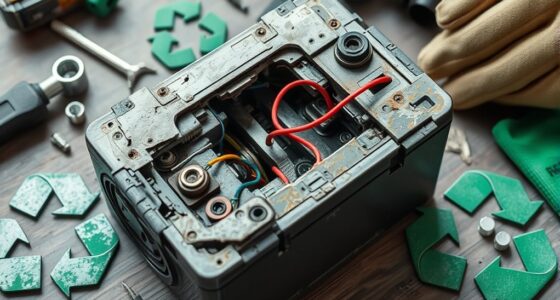
If your EV won’t start, first check the battery charge level and make certain it’s fully charged, as low or dead batteries are common culprits. Then, verify your key fob’s battery and that you’re within its range, since communication issues can prevent startup. Inspect the charging port and connections for damage or dirt. Reset the vehicle’s electronic systems if needed. For persistent problems, professional help can pinpoint more complex issues—stay with us to learn more solutions.
Key Takeaways
- Check the EV’s battery level and ensure it is fully charged or inspect for degradation.
- Verify the key fob’s battery and proximity, and try using the manual key if wireless fails.
- Inspect and clean the charging port and confirm the charging cable and outlet are functioning properly.
- Reset the vehicle’s electronic systems by turning it off, disconnecting the 12V battery, or rebooting the infotainment system.
- Contact professional support or roadside assistance if the vehicle still won’t start after basic troubleshooting.

DBPOWER 5000A Jump Starter, 74Wh Car Battery Jump Starter for Up to 10.0L Gas and 8.0L Diesel Engine, 12V Portable Jump Box Battery Pack with Display, LED Light, Jumper Cables, and Storage Case
5000A Powerful Jump Starter - The Z07 car battery jump starter can easily start 12V vehicles with up...
As an affiliate, we earn on qualifying purchases.
Check the Battery Charge Level
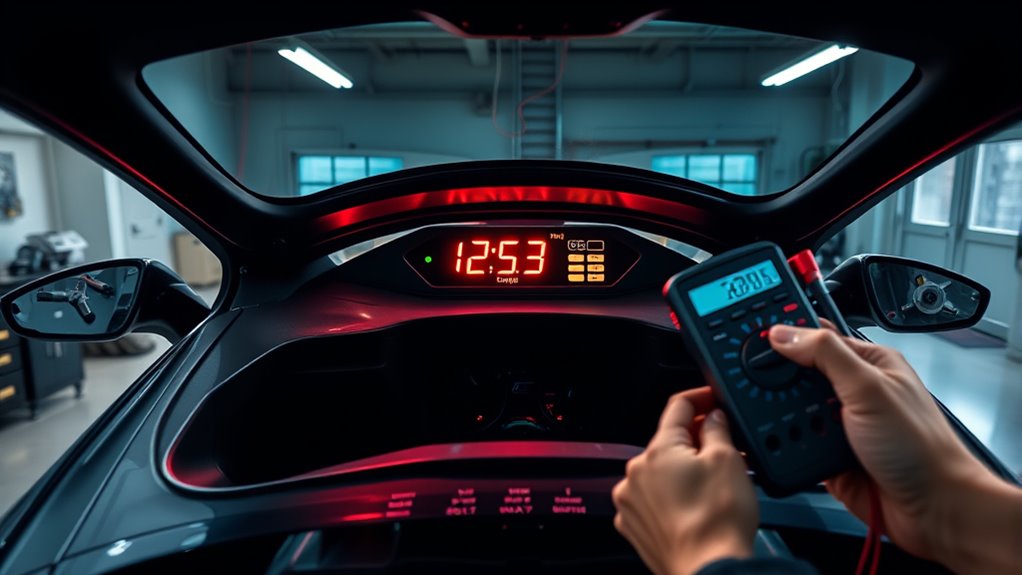
Have you checked if your EV’s battery has enough charge? This is the first step in troubleshooting a dead vehicle. You should verify the charging status to see if the battery is depleted or if there’s a problem with its health. Often, a low or completely drained battery causes starting issues. Many EVs display battery level indicators; check yours to confirm the charge. If your battery shows low or empty, try charging it fully. However, if the charging status appears normal but the battery health is compromised (such as age-related degradation or irregular charging patterns), it might require professional inspection. Keeping an eye on your battery’s health and ensuring it’s adequately charged is essential to prevent starting problems and keep your EV running smoothly.

Schumacher Electric 1200A Car Battery Jump Starter and Portable Power Station, 6-in-1 Solution for 12V Batteries, 150-PSI Air Compressor, 200 Continuous/400 Peak Watt Inverter, SJ1332
6-in-1 Device - Jump starter, portable power station, converter, air compressor, fast inflator/deflator, and LED area light
As an affiliate, we earn on qualifying purchases.
Inspect the Key Fob and Wireless Connection
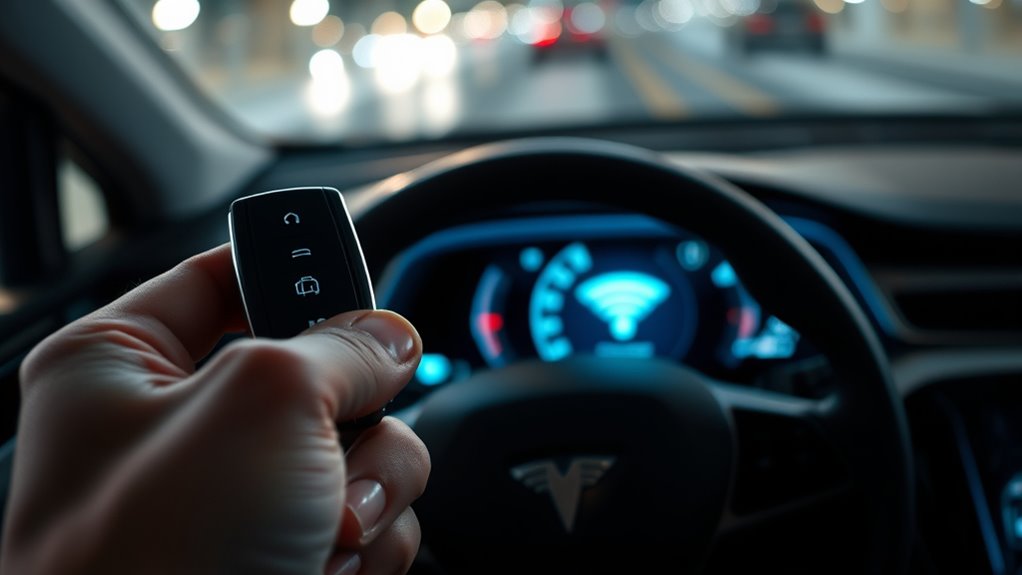
If your EV still doesn’t start after checking the battery charge, the issue might lie with the key fob or the wireless connection. Sometimes, the key fob’s battery is dead, preventing it from communicating with the vehicle. Other times, a weak or disrupted wireless connection can block the start command. To troubleshoot:
- Replace the key fob battery and try again.
- Make certain you’re within the effective range of the key fob.
- Check for any interference from other electronic devices.
- Use the manual key hidden inside the fob if available, to open the door and start the vehicle manually.
- Ensuring your wireless connection is secure and functioning properly can prevent start-up issues and improve overall vehicle communication. A secure wireless connection is essential for seamless operation, especially with modern EVs that rely heavily on electronic signals. Additionally, smart home automation devices might interfere with signal transmission; removing or relocating such devices can help restore a stable connection. Confirming that your vehicle’s wireless system is properly configured can also help avoid communication errors.
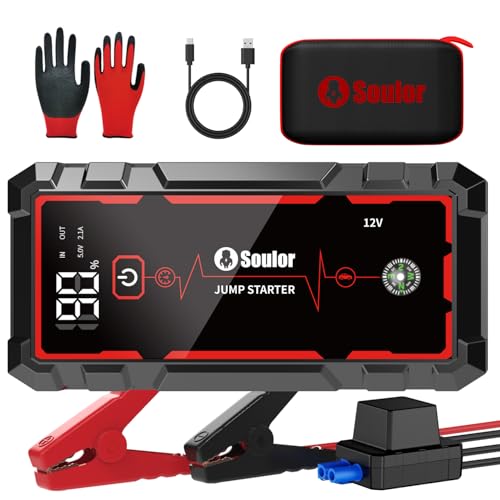
Jump Starter, Battery Jumper Starter Portable, Car Battery Jump Starter with 3 Modes Flashlight, Compass, Power Bank and Jumper Cable
Dead Battery Jump Starting:It can jump-start 12V vehicles (cars, motorcycles, etc.) up to 40 times on a single...
As an affiliate, we earn on qualifying purchases.
Examine the Charging System and Connections
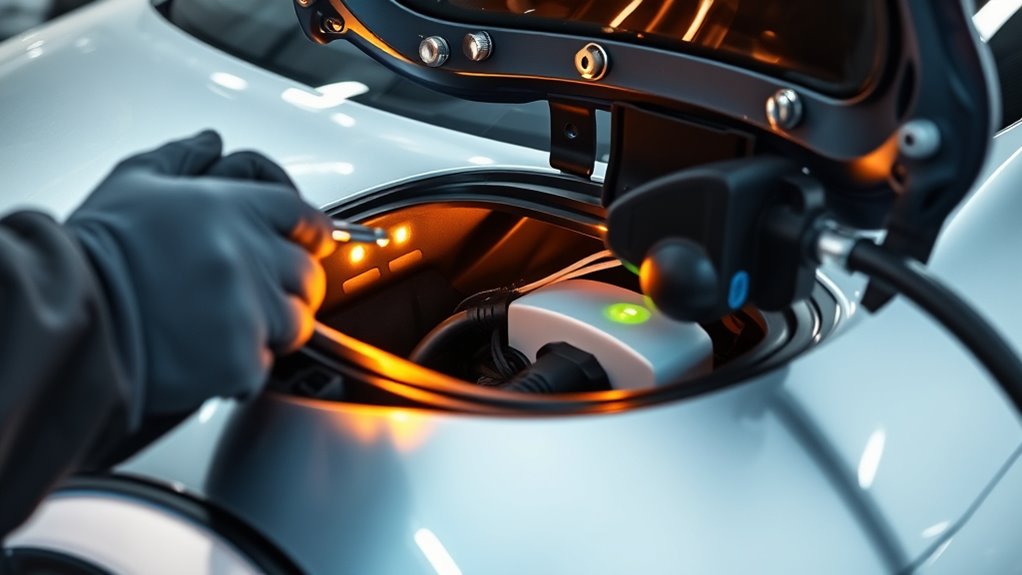
Since a dead EV can sometimes be linked to charging issues, inspecting the charging system and its connections thoroughly is essential. Start by checking the charging port for dirt, debris, or corrosion that could interfere with a proper connection. Make sure the charging cable is securely plugged in on both ends, making a solid connection. Examine the cable for any visible damage, such as cuts, frays, or bent prongs, which could compromise cable integrity. If the connection feels loose or the cable shows signs of damage, replace it before attempting to charge again. Confirm that the charging station or outlet is functioning properly by testing it with another device or using a different charger. Proper connections and intact cables are critical for reliable charging and can help resolve many starting issues. Additionally, charging system maintenance can prevent future problems by ensuring all components are in good condition. Regularly inspecting and maintaining the charging components helps ensure consistent performance and reduces the likelihood of encountering dead EVs due to charging failures. Implementing routine checks of the connection quality can further enhance the reliability of your vehicle’s charging system. Incorporating preventive maintenance practices can also identify potential issues early, saving time and preventing unexpected breakdowns.

Schumacher Electric Car Battery Jump Starter & Portable Power Station - 1800 Peak Amps - 12V DC Power Outlet - with Overload & Short-Circuit Protection & Jumper Cables - DSR119
Dependable Power in Critical Moments - With 1800 peak amps, this portable car battery jump starter is designed...
As an affiliate, we earn on qualifying purchases.
Reset the Vehicle’s Electronic Systems
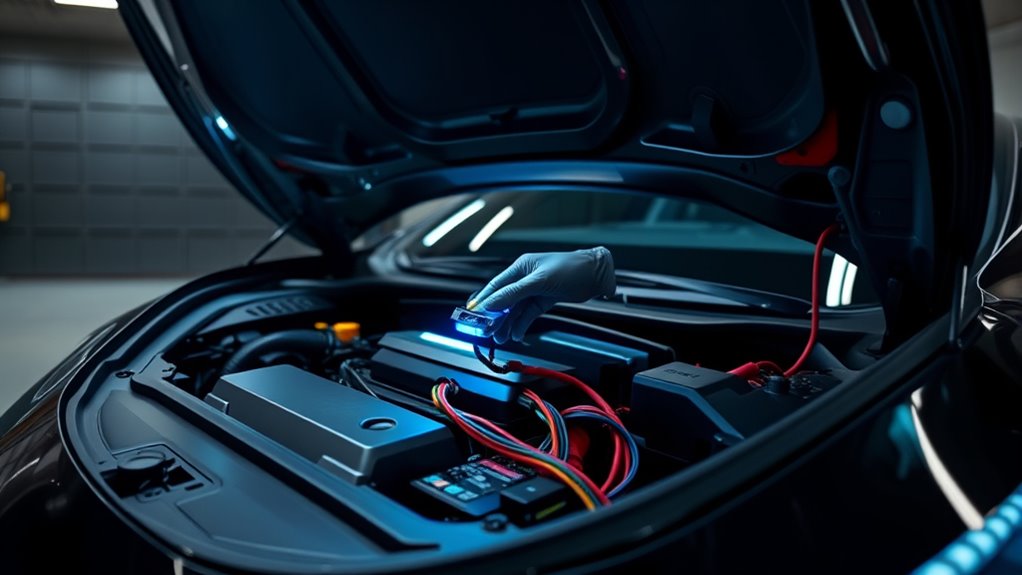
Sometimes, electronic glitches can cause your EV to appear dead or unresponsive. Resetting the vehicle’s electronic systems can often resolve these issues, especially if there are minor software glitches affecting battery health or system communication. To do this, turn off the vehicle, remove the key or disconnect the 12V battery if accessible, then wait a few minutes before restarting. This reset can clear temporary errors and restore proper operation. Additionally, check if your EV needs any software updates, as manufacturers release updates to improve battery health and fix bugs. If your vehicle still doesn’t respond, consider these steps:
Electronic glitches may cause your EV to appear dead; a quick reset and software check can often restore full functionality.
- Turn off the vehicle completely
- Disconnect and reconnect the 12V battery
- Reset the infotainment system
- Check for available software updates
- Battery health management is essential for maintaining optimal vehicle performance and avoiding electronic issues. Regularly monitoring your vehicle’s software updates can prevent many common electronic glitches.
Contact Professional Support if Needed

When troubleshooting your electric vehicle, reaching out to professional support can be essential if basic steps don’t resolve the issue. DIY repairs might be tempting, but some problems require expert diagnosis. Contact roadside assistance if you’re stranded or unsure about performing repairs safely. They can provide expert help or tow your EV to a service center. Knowing when to seek professional help can save you time and prevent further damage. For example, glycolic acid products are highly effective in skincare routines but should be used with proper guidance to avoid skin irritation. Here’s a quick guide to help decide when to call in the pros:
| Situation | Recommended Action |
|---|---|
| No response after resetting | Contact roadside assistance |
| Unfamiliar with repair procedures | Seek professional support |
| Warning lights persist | Visit a qualified mechanic |
| Battery issues beyond basic check | Call roadside assistance |
| Electrical system faults | Contact support immediately, especially when dealing with complex electrical systems that require specialized knowledge. Additionally, understanding Vetted – Security Zone Info can be helpful in safeguarding your vehicle and home during such issues. It’s also wise to familiarize yourself with home charging safety practices to prevent potential hazards during troubleshooting. Also, recognizing the importance of professional diagnostics can lead to more accurate and efficient repairs. |
Frequently Asked Questions
Can Extreme Weather Affect My Ev’s Ability to Start?
Yes, extreme weather can affect your EV’s ability to start. Cold temperatures, for example, can reduce your battery performance, making it harder to power up the vehicle. Hot weather may also impact battery efficiency over time. To minimize issues, keep your EV in a garage or sheltered area during extreme weather, and consider pre-conditioning the battery to guarantee ideal performance when you’re ready to drive.
What Should I Do if the Warning Lights Don’T Turn On?
Did you know that about 10% of warning light malfunctions are due to electrical issues? If your dashboard indicators don’t turn on, start by checking the vehicle’s battery connections and fuses. It could be a simple glitch or a blown fuse. If that doesn’t help, consult your owner’s manual or visit a professional mechanic. Ignoring warning lights can lead to more serious problems down the road.
Is It Safe to Jump-Start an EV?
It’s generally not safe to jump-start an EV because of battery safety concerns and jump start risks. Unlike traditional cars, EV batteries are high-voltage and can be dangerous if mishandled. If your EV won’t start, consult the owner’s manual or contact professional roadside assistance instead of attempting a jump start yourself. This approach helps prevent electrical damage or personal injury caused by mishandling high-voltage systems.
How Long Should I Wait Before Trying to Start My EV Again?
Imagine your EV resting after a gentle nap; you should wait about 15-30 minutes before trying again. This pause allows the battery’s charging cycles to settle, ensuring better battery maintenance and more reliable starts. Rushing back to ignite it too soon can strain the system. Patience helps your EV recover and keeps its power flowing smoothly, ready for your next journey.
Are There Specific Signs My Ev’s Battery Is Failing?
You’ll notice signs of your EV’s battery failing if you see corrosion on the terminals or experience charging issues. Corrosion appears as white or bluish deposits, which can hinder connections. Charging problems, like slow or incomplete charging, also indicate a failing battery. Pay attention to these signs, keep battery terminals clean, and guarantee your charging system works properly to prevent unexpected breakdowns.
Conclusion
Remember, sometimes a problem just needs a little patience and troubleshooting. If your EV won’t start, start with the basics and work your way through the steps. Most issues are simple fixes, but don’t hesitate to seek professional help if needed. As the saying goes, “A stitch in time saves nine.” Addressing small problems early can save you bigger headaches later, keeping your EV running smoothly and reliably.