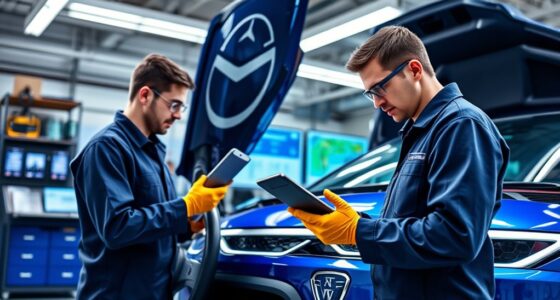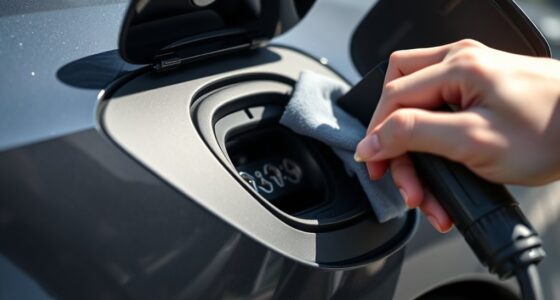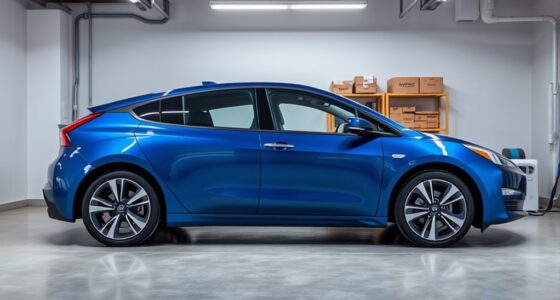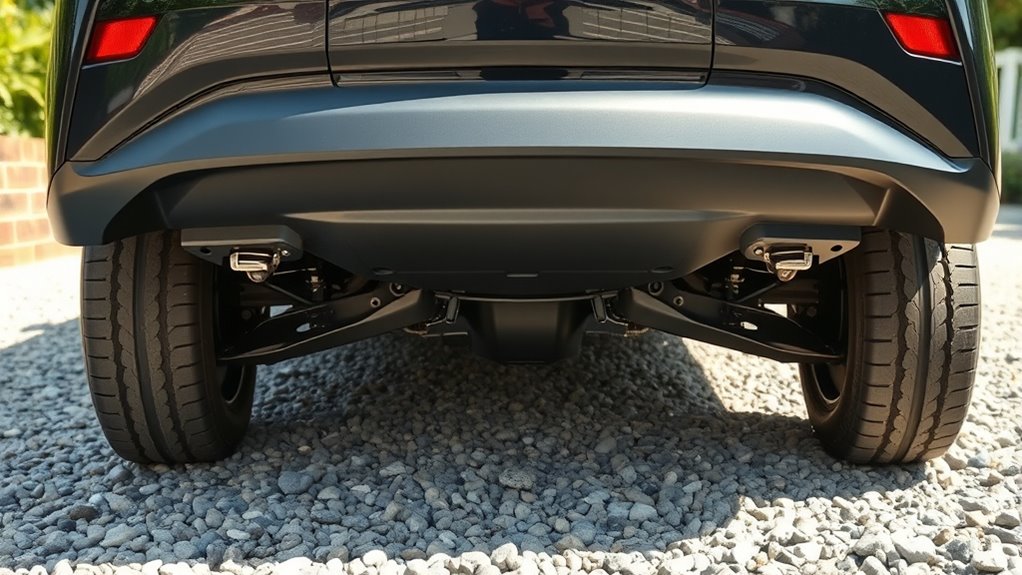

Electric cars usually don’t need undercoating for rust prevention because they lack exhaust systems and fuel tanks prone to corrosion. However, adding undercoating can still protect your EV from road salt, moisture, and humidity, especially in harsh winter conditions. This extra layer helps extend the life of your vehicle’s chassis and suspension. Want to learn more about how to keep your EV in top shape? Keep exploring for helpful tips.

Get backup power and energy gear delivered free — and shop member deals
- Fast, free delivery on millions of items
- Access to Prime Big Deal Days deals on October 6–7
- Prime Video, Amazon Music and more included
Key Takeaways
- EV batteries are sealed and corrosion-resistant, reducing the risk of rust internally.
- Undercoating provides extra protection for exposed chassis and suspension components, especially in salty or humid environments.
- Modern EVs’ electrical systems are designed to prevent corrosion-related safety issues during charging.
- Regular inspections and cleaning are essential, with undercoating serving as a preventative measure against rust.
- The need for undercoating depends on climate, road conditions, and environmental exposure.

Ever wondered how electric vehicles (EVs) withstand rust over time? The truth is, EV manufacturers put a lot of effort into protecting their vehicles from corrosion, especially considering the many components that are vulnerable to moisture and rust. One key concern is battery corrosion, which can considerably impact your car’s performance and longevity. The battery pack is often sealed and cooled with liquid or air systems, but exposure to water and road salt can still pose risks. If moisture reaches sensitive connections or internal parts, it can cause corrosion that leads to decreased efficiency or even costly repairs. That’s why many EVs come with corrosion-resistant coatings and sealed compartments to keep moisture out, especially around the battery area.
EVs use corrosion-resistant coatings and sealed compartments to protect batteries from moisture and rust.
When it comes to rust prevention, a common question is whether an undercoating is necessary for electric cars. Unlike traditional gasoline-powered vehicles, EVs generally don’t have exhaust systems or fuel tanks that require rust-proofing, but they still face exposure to environmental elements. Some owners choose to apply an undercoating or rust-proofing treatment to the undercarriage to add an extra layer of protection. This can be particularly useful if you live in areas with harsh winters, where road salt and moisture are prevalent. An undercoating helps prevent rust from forming on exposed metal parts, which can extend the life of your EV’s chassis and suspension components.
You might also wonder if undercoating affects charging station safety. Rest assured, it doesn’t interfere with your vehicle’s ability to connect with charging stations or compromise electrical safety. Modern EV charging systems are designed with multiple safeguards, and corrosion on the exterior or underneath the vehicle doesn’t pose a risk to the charging process itself. However, keeping the undercarriage and connectors clean and free of debris is always a good idea to guarantee maximum charging performance and safety.
In the end, whether or not to apply an undercoating depends on your local climate and driving conditions. If you frequently drive on salted roads or in humid environments, taking some extra steps to protect your EV from rust makes sense. Regular inspections and cleaning, along with corrosion-resistant coatings, can help preserve your vehicle’s integrity over time. Remember, maintaining your EV’s battery and ensuring the safety of charging station connections are crucial parts of caring for your electric car. Proper precautions can keep your EV running smoothly and safely for years to come.
Frequently Asked Questions
How Often Should I Inspect My EV for Rust?
You should inspect your EV for rust at least once every six months as part of your maintenance schedule. Regular rust inspection helps catch early signs of corrosion before it becomes a major issue. Pay special attention to vulnerable areas like wheel wells, undercarriage, and joints. Consistent inspections guarantee your electric vehicle stays in top condition, and prompt treatment can extend its lifespan and maintain resale value.
Can Electric Vehicles Be More Prone to Rust Than Gas Cars?
Sure, EVs might seem immune, but they’re just as vulnerable to rust as gas cars—if you ignore battery corrosion and paint deterioration. Electric vehicles’ batteries and electronics can attract moisture, leading to rust, especially if undercoating isn’t applied. So, while they may seem shiny and new, neglecting rust prevention can turn your eco-friendly ride into a rust bucket faster than you’d think. Stay vigilant!
Does Undercoating Affect EV Battery Cooling?
Yes, undercoating can affect your EV’s battery cooling and corrosion resistance. Proper undercoating helps shield the chassis from moisture and road salts, reducing corrosion risks. However, if not applied correctly, it might block airflow or insulation needed for effective battery cooling. To guarantee your EV stays safe and efficient, choose a specialized undercoating designed for electric vehicles, and have it professionally applied to balance corrosion resistance and cooling needs.
Are There Eco-Friendly Rust Prevention Options for EVS?
Yes, there are eco-friendly coatings and sustainable rustproofing options for your EV. You can choose environmentally conscious products like water-based rust inhibitors, plant-based waxes, or ceramic coatings that protect against corrosion without harmful chemicals. These options provide effective rust prevention while reducing environmental impact, helping you keep your electric vehicle in top condition responsibly. Always look for certifications or labels indicating eco-friendliness to confirm you’re making a sustainable choice.
Is Rust Prevention Necessary for EVS in All Climates?
Rust prevention isn’t always necessary, but it’s wise in climates with high humidity or road salt, as it protects your EV’s battery corrosion and paint integrity. In dry, mild areas, you might skip undercoating. However, if you frequently drive in harsh conditions, undercoating adds a protective barrier, helping prevent rust and preserving your car’s overall longevity. Always consider your local climate and driving environment to make the best choice.
Conclusion
In the end, protecting your electric vehicle from rust is worth the effort. While EVs often have fewer moving parts and may seem less prone to corrosion, they still need some TLC to stay in top shape. Applying undercoating or rust-proofing isn’t a waste of time—it’s a small price to pay for peace of mind. Remember, a stitch in time saves nine; taking action now keeps your EV running smoothly for miles to come.
Halloween Picks
halloween
As an affiliate, we earn on qualifying purchases.