
Range anxiety often stems from trust issues and negative past experiences, not just technical limits. Your worries grow when you focus on worst-case scenarios or don’t feel confident about your vehicle’s battery life. Repeated doubts can make you overly cautious, limiting trips and lowering trust in EVs. Building familiarity through gradual experiences and accurate information helps restore confidence. Stay with us to discover more ways to understand and overcome this common concern.

Get backup power and energy gear delivered free — and shop member deals
- Fast, free delivery on millions of items
- Access to Prime Big Deal Days deals on October 6–7
- Prime Video, Amazon Music and more included
Key Takeaways
- Range anxiety stems from psychological factors like trust issues and battery fatigue, not just technical vehicle limits.
- Past negative experiences and charging inconveniences weaken confidence, reinforcing cautious driving behavior.
- Familiarity and accurate knowledge about EV range help reduce emotional fears and build trust over time.
- Gradual exposure through positive trips and monitoring battery health can diminish worries and reinforce confidence.
- Education and mindful planning transform perceived risks into manageable challenges, alleviating overall range anxiety.
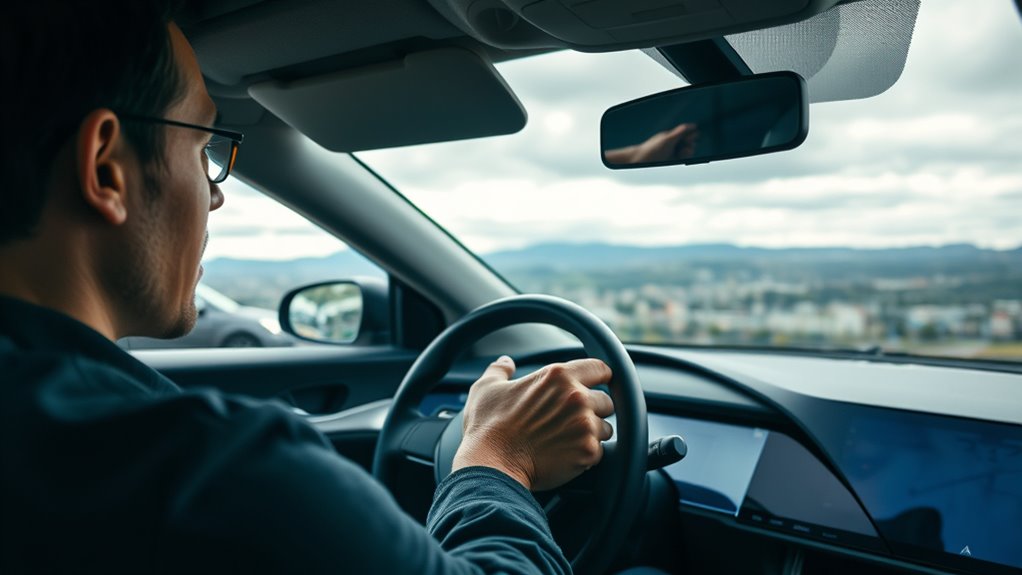
Range anxiety, the fear that an electric vehicle will run out of battery before reaching a charging station, often stems from more than just technical concerns. It’s rooted in psychological factors like battery fatigue and trust issues that develop over time. When you’re anxious about running out of power, it’s easy to overlook the fact that modern EVs are designed with extensive range capabilities and safety margins. Instead, your mind fixates on worst-case scenarios, feeding into a cycle of worry. This worry isn’t just about the current trip but can reflect underlying doubts about your vehicle’s reliability, which intensifies with each uncertain or stressful experience. Over time, repeated fears can create a form of battery fatigue, where your confidence in the vehicle diminishes. You may start to second-guess your decision to drive an EV altogether, even if the actual range exceeds your typical daily needs.
Trust issues play a significant role in fueling range anxiety. When you’ve had previous experiences where your vehicle’s battery life didn’t match expectations or when you’ve encountered inconvenient charging situations, your trust in the vehicle’s reliability begins to waver. This skepticism makes you more cautious, often leading to overly conservative driving habits that further diminish your confidence. You might limit your trips or avoid longer routes, not because it’s necessary, but because you’re unsure whether your vehicle can handle the distance. This creates a self-fulfilling cycle of doubt that reinforces your fears, even if the actual risk remains minimal. The more you experience these trust issues, the more they shape your perception, making it harder to enjoy the freedom that electric vehicles can offer.
Additionally, understanding projector technology, such as contrast ratio and color accuracy, can be analogous to understanding your vehicle’s range and capabilities—both require knowledge and familiarity to trust fully. Overcoming this psychological hurdle involves addressing both the emotional and cognitive aspects of your fears. Educating yourself about your vehicle’s actual range and understanding the technology behind it can help rebuild trust. Regularly monitoring your battery’s health and familiarizing yourself with charging options can ease your worries, reducing battery fatigue. Practicing trips that push your boundaries gradually can also build confidence. Remember, it’s natural to feel apprehensive at first, but as your familiarity increases, so will your trust. By focusing on positive experiences and gathering accurate information, you can break the cycle of anxiety, turning your concerns into confidence. With time and mindful effort, you’ll find that your fear of running out of power diminishes, allowing you to enjoy driving your electric vehicle without constant worry.
Frequently Asked Questions
How Does Personal Experience Influence Range Anxiety?
Your personal experience shapes your range anxiety through psychological triggers and emotional associations. If you’ve faced situations where your electric vehicle ran out of charge unexpectedly, those memories become strong triggers, making you more anxious. Positive experiences, like successful long trips, can reduce this fear. Your emotional associations with previous challenges influence how confident or nervous you feel about driving your EV over longer distances.
Can Demographic Factors Predict Range Anxiety Levels?
Think of demographic trends like a map guiding you through a maze; they can indeed predict range anxiety levels. Age, gender, and location act as predictive factors, influencing how confident you feel about electric vehicle range. Younger drivers or city dwellers might experience less anxiety, while older or rural users could worry more. Recognizing these demographic influences helps you address specific concerns, making your EV journey smoother and less stressful.
What Role Does Technology Play in Reducing Range Anxiety?
Technology plays a crucial role in reducing your range anxiety by providing reliable charging infrastructure and real-time tracking. When you can easily find charging stations nearby, you’re less worried about running out of power. Real-time tracking apps give you updates on your battery level and station availability, giving you confidence and control. These innovations help you plan longer trips more comfortably and reduce the stress associated with range limitations.
How Does Range Anxiety Affect Consumer Electric Vehicle Choices?
Range anxiety acts like a shadow over your EV choices, making you hesitant to commit. Limited battery capacity and sparse charging infrastructure make you worry about running out of power on the road. This fear can steer you toward traditional cars or delay your switch to electric. To feel confident, you need better battery tech and more charging stations, so your EV journey feels smooth and secure, just like a clear highway.
Are There Cultural Differences in Experiencing Range Anxiety?
Yes, cultural perceptions and societal norms influence how you experience range anxiety. In some cultures, there’s greater trust in technology and environmental concerns, making you less worried about charging range. In others, skepticism or limited exposure to electric vehicles heightens your anxiety. Your personal and societal attitudes shape your comfort level, affecting your willingness to adopt electric vehicles and how you perceive their practicality in daily life.
Conclusion
Understanding your range anxiety starts with awareness and acceptance. By recognizing these reactive responses, you can reframe your fears and regain control. Remember, patience, persistence, and positive practice pave the path to progress. Don’t let doubts derail your drive; instead, demonstrate determination and dare to dream beyond limitations. Overcoming your range anxiety isn’t just about miles—it’s about mastering your mindset, making meaningful movement, and molding your mindset into a more confident, courageous core.
Fall Picks
fall essentials
As an affiliate, we earn on qualifying purchases.