Your EV’s brake pads usually last between 30,000 and 70,000 miles, but factors like your driving habits, terrain, and regenerative braking can influence wear. Signs you need new pads include squealing, increased stopping distance, or vibrations. Regular inspections help catch wear early and prevent costly damage. Even with regenerative braking, routine checks are essential for safety and best performance. Keep going to discover more about maintaining your brake system effectively.

Get backup power and energy gear delivered free with Prime
- Fast, free delivery on millions of items
- Prime Video, Amazon Music and more included
- Member-only deals all year
Key Takeaways
- Brake pads typically need replacement between 30,000 and 70,000 miles, depending on driving habits and conditions.
- Signs like squealing, increased stopping distance, or vibrations indicate it’s time for a brake inspection.
- Regular brake pad thickness checks are essential, especially when pads reach around 3mm minimum thickness.
- Even with regenerative braking, routine maintenance and timely replacements prevent rotor damage and ensure safety.
- Hilly terrains and aggressive driving accelerate brake wear, requiring more frequent brake system assessments.
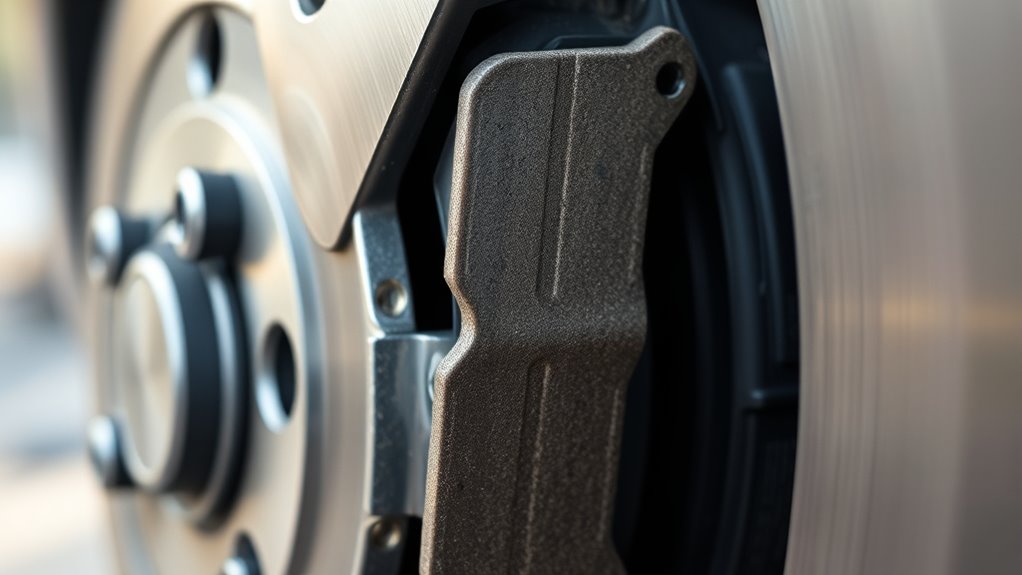
Electric vehicles (EVs) often require less maintenance than traditional gas-powered cars, but their brakes still wear out over time. Unlike conventional vehicles, EVs benefit from regenerative braking, a system that recaptures energy during deceleration and reduces reliance on friction brakes. While regenerative braking helps extend brake pad lifespan, it doesn’t eliminate the need for brake service altogether. Over many miles, brake pads will gradually wear down, and it’s vital to recognize the signs so you can replace them before they become a safety concern.
Regenerative braking plays a significant role in prolonging brake pad life, but it isn’t foolproof. As you drive, your EV’s brake pads experience friction against the rotors whenever regenerative braking isn’t enough to slow your vehicle—such as during sudden stops or high-speed deceleration. Over time, this friction causes the brake pads to thin, reducing their effectiveness. The lifespan of brake pads varies depending on driving habits, terrain, and the quality of the pads themselves, but typically, you can expect them to last anywhere from 30,000 to 70,000 miles. Aggressive driving, frequent stop-and-go traffic, or hilly terrain can accelerate wear, meaning you might need to check your brake pads sooner.
Monitoring brake pad health is essential. Many EVs have built-in sensors that alert you when pads are nearing the end of their lifespan. If you notice a squealing noise when applying the brakes, a longer stopping distance, or a vibrating pedal, these could be signs that your brake pads are worn out and need replacement. Ignoring these symptoms increases the risk of damaging the rotors or compromising your safety. Regular inspections, either at routine service intervals or if you experience any of these signs, guarantee you catch brake wear early.
While regenerative braking reduces how often your friction brakes are engaged, it doesn’t completely eliminate brake pad wear. Hence, understanding your EV’s brake system and staying attentive to warning signs remain essential. When the brake pads reach their minimum thickness—usually around 3mm—they require replacement to maintain effective braking performance. Proper maintenance not only keeps you safe but also preserves your vehicle’s overall efficiency. Remember, even with regenerative braking, neglecting brake pad care can lead to more costly repairs down the line. Stay proactive, listen to your EV’s signals, and schedule regular brake inspections to keep your brakes in optimal condition.
Products Worth Considering

DEWALT 20V MAX 1/4-Inch Impact Driver Kit with Battery and Charger (DCF787D1)

Chemical Guys 16-Piece Arsenal Builder Car Wash Kit with Foam Cannon & Bucket

DEWALT 20V MAX Drill and Impact Driver Combo Kit (DCK240C2)
As an affiliate, we earn on qualifying purchases.
Frequently Asked Questions
Do Electric Vehicles Require Different Brake Maintenance Schedules?
Electric vehicles generally require less frequent brake maintenance because their brake system design relies heavily on regenerative braking, which reduces wear on brake pads. However, the type of brake pad materials used impacts their longevity. You should still inspect your brake pads regularly, especially if you notice reduced braking performance. Keep in mind that different brake pad materials wear at different rates, so maintenance schedules may vary slightly.
How Does Regenerative Braking Affect Brake Pad Lifespan?
Imagine you’re driving your EV and relying on regenerative braking. This system reduces brake pad wear by converting kinetic energy into electricity, extending brake lifespan. For example, a Tesla Model 3 owner notices less frequent brake pad replacements after switching to regenerative braking mode. Regenerative wear considerably decreases brake pad usage, meaning you’ll need fewer brake repairs over time, making your EV maintenance simpler and more cost-effective.
Can Brake Pad Wear Indicators Be Unreliable?
Brake pad wear indicators can sometimes be unreliable due to sensor issues or dirt interfering with their signals. You might notice the indicator light staying on or flickering, even if your brake pads are still in good shape. It’s best not to depend solely on these sensors; regularly inspect your brake pads manually and listen for squealing sounds. Staying proactive helps you avoid unexpected brake failures and ensures your EV remains safe.
Are There Signs of Brake Failure Besides Pad Wear?
If you notice your brakes squealing like a banshee or your pedal feeling spongy and unresponsive, you’re likely facing brake failure signs beyond pad wear. These symptoms can mean everything from a brake fluid leak to worn-out calipers. Don’t ignore these warning signs—they’re your car’s way of screaming for help. Address them immediately to prevent a dangerous situation and keep your EV stopping safely.
How Often Should Brake Fluid Be Checked in an EV?
You should check your EV’s brake fluid regularly, ideally once every 1 to 2 years. Brake fluid testing helps identify moisture or contamination that can reduce braking performance. Follow your vehicle manufacturer’s fluid replacement intervals, usually every 2 to 3 years, or as recommended in your owner’s manual. Regular testing and timely fluid replacement guarantee your brakes stay reliable and responsive, keeping you safe on the road.
Conclusion
Eventually, your EV will need new brakes as the pads wear down. For example, imagine driving around town for two years—your brake pads might still have plenty of life left, but city stop-and-go traffic can accelerate wear. Keep an eye on brake performance and squeaking sounds, and schedule inspections when needed. Staying proactive guarantees your brakes stay reliable and your driving safe, saving you money and stress in the long run.