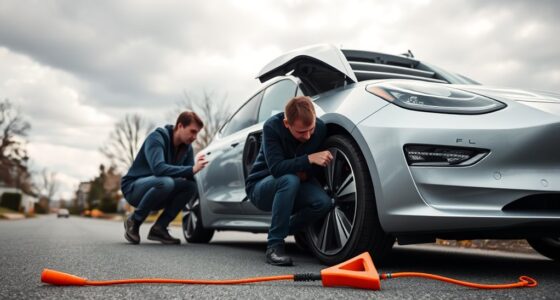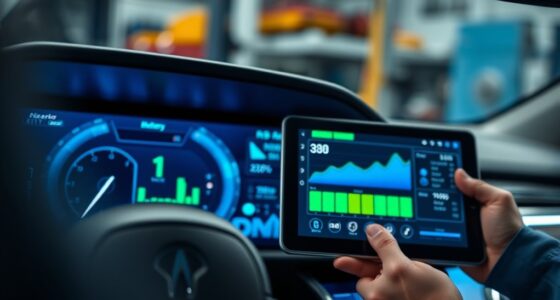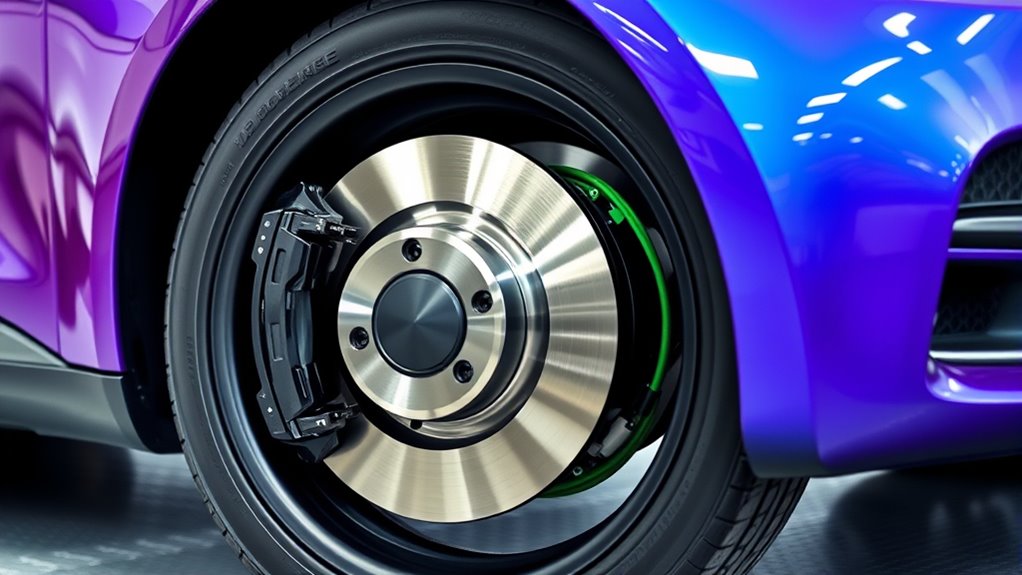

Regenerative brakes in EVs considerably reduce wear and need minimal maintenance, but they still benefit from periodic inspections to guarantee peak performance and safety. You should check components like the electric motor, inverters, and controllers regularly, and keep an eye on brake pads and fluid if your vehicle has traditional brakes. Staying on top of maintenance can extend brake life and keep your EV running smoothly—if you want to learn more, keep exploring these tips.

Get backup power and energy gear delivered free with Prime
- Fast, free delivery on millions of items
- Prime Video, Amazon Music and more included
- Member-only deals all year
Key Takeaways
- Regenerative brakes in EVs mainly recover energy but still require regular component inspections for wear and malfunction.
- They do not rely on brake fluid but need periodic checks of electric motors, inverters, and controllers.
- Traditional brake maintenance involves inspecting pads, fluid levels, and calipers to ensure safety and performance.
- Signs like squealing, reduced braking power, or unusual noises indicate potential brake system issues needing professional service.
- Proper driving habits and routine inspections extend brake component lifespan and maintain efficient energy recovery.
Products Worth Considering

Milwaukee 2697-22 M18 18-Volt Lithium-Ion Cordless Hammer Drill/Impact Driver XC Combo Kit (2-Tool)

DEWALT 20V MAX 1/4-Inch Impact Driver Kit with Battery and Charger (DCF787D1)

Chemical Guys 16-Piece Arsenal Builder Car Wash Kit with Foam Cannon & Bucket
As an affiliate, we earn on qualifying purchases.
Understanding How Regenerative Braking Works in Electric Vehicles

Regenerative braking is a key feature that helps electric vehicles (EVs) recover energy during deceleration. When you brake, the system uses the motor to slow the car, converting kinetic energy into electrical energy. This process feeds energy back into the battery, extending battery longevity by reducing strain on the power source. Because of this energy recapture, your EV becomes more efficient, improving overall charging efficiency. The system seamlessly switches between regenerative braking and traditional brakes to ensure safety and smoothness. By harnessing energy that would otherwise be lost as heat, regenerative braking not only conserves power but also reduces wear on brake components. Additionally, advanced European cloud infrastructure supports the real-time monitoring and optimal management of regenerative braking systems, enhancing vehicle reliability. Understanding this process helps you appreciate how EVs maximize energy use, making your driving more sustainable and cost-effective, especially when combined with advanced vehicle technology features that optimize performance.
Are Regenerative Brakes Self-Sufficient or Do They Require Maintenance?

Regenerative brakes have key components like electric motors and controllers that handle energy recovery, but they still experience wear over time. Factors such as brake usage, road conditions, and component quality influence their durability and performance. Regular maintenance ensures these systems stay efficient, preventing unexpected issues and extending their lifespan.
Regenerative Brake Components
While regenerative brake components are designed to recover energy and reduce wear on traditional brakes, they still require regular maintenance to guarantee peak performance. These components include electric motors, inverters, and controllers that work together to convert kinetic energy into electrical energy. Federal regulations often mandate inspection and testing of these parts to ensure safety and efficiency. Although regenerative systems don’t rely on brake fluid like traditional brakes, you should still monitor the overall braking system for signs of wear or malfunction. Regular diagnostics help identify issues early, preventing costly repairs and maintaining ideal energy recovery. Keeping these components in good condition ensures your EV’s braking system remains reliable, efficient, and compliant with safety standards.
Wear and Tear Factors
Although regenerative brakes are designed to minimize wear and reduce reliance on traditional brake components, they are not entirely maintenance-free. Over time, factors like tire pressure and road conditions influence brake performance and wear. Rough roads or uneven surfaces can cause additional stress on brake systems, even with regeneration. Additionally, your tire pressure affects overall braking efficiency, impacting how much the regenerative system can do. Regularly check and maintain proper tire pressure to optimize braking. Also, debris and dirt buildup can affect sensors and moving parts, necessitating occasional inspection. Be aware that, despite their efficiency, regenerative brakes can still experience wear, especially in harsh driving environments. Incorporating natural landscapes and ensuring proper maintenance helps keep your EV’s braking system reliable and functioning optimally. Proper sensor calibration is also crucial for the regenerative system to operate effectively over time.
Maintenance Recommendations
Many people assume that regenerative brakes are completely maintenance-free because they rely on electric systems to slow down the vehicle. However, they still require regular checks to guarantee peak performance. You should periodically inspect the brake fluid level, as maintaining proper fluid quality and level is vital for traditional braking components that assist when regenerative braking isn’t enough. Additionally, tire alignment plays an essential role; misaligned tires can cause uneven brake wear and reduce overall efficiency. While regenerative brakes reduce wear on the mechanical brake system, you shouldn’t neglect routine maintenance. Regular brake fluid checks and tire alignment assessments help prevent issues, guarantee safety, and prolong the lifespan of your braking system. Proper maintenance keeps your EV’s brakes functioning smoothly and efficiently. Regular visual inspections of brake components can help spot potential problems early before they affect performance.
Signs That Your EV’s Brake System Needs Attention

If you notice your brakes making strange noises or squealing, it’s a clear sign something’s off. It might also be worthwhile to check the brake system performance regularly to catch issues early. You might also feel a decrease in braking power, which affects your safety and control. Paying attention to these signs helps keep your EV’s brake system in top shape. Additionally, regular maintenance can prevent issues caused by partner shutdowns or neglect, ensuring your vehicle remains reliable and safe. Being aware of performance cookies that track your brake system performance can also aid in early detection of potential problems. Regular inspections are essential to identify wear and tear before they lead to costly repairs or safety hazards. Proper maintenance and timely repairs are crucial in avoiding scam pitfalls and ensuring your EV’s braking system functions optimally.
Unusual Brake Noises
Unusual noises when you brake can be a clear sign that your EV’s brake system needs attention. If you notice persistent brake noise or squealing sounds, it’s a sign something isn’t right. These noises can indicate worn brake pads, debris lodged in the system, or issues with the brake calipers. Ignoring these sounds could lead to reduced braking efficiency or further damage. Pay attention to when the noise occurs—whether during gentle stops or hard braking—as it can help diagnose the problem. Addressing brake noise early can save you money and ensure your safety. Don’t dismiss squealing sounds; they’re your vehicle’s way of signaling the need for inspection or service. Being aware of brake system components and how they function can help you maintain your brake system effectively and prevent further issues.
Decreased Braking Power
Decreased braking power is a clear warning that your EV’s brake system needs attention. When you notice your vehicle takes longer to stop or requires more pedal effort, it indicates a drop in braking efficiency. This reduction can stem from worn brake pads, low brake fluid, or issues with regenerative braking systems. Understanding brake components can help identify related maintenance issues and improve overall vehicle care. Ignoring these signs can compromise your safety and reduce your brake system’s longevity. Addressing the problem promptly ensures your brakes remain responsive and effective. Regular maintenance and inspections can catch underlying issues early, preserving braking efficiency and extending the lifespan of components. Don’t overlook subtle changes in stopping performance—acting quickly helps prevent costly repairs and keeps your EV safe on the road.
Regular Maintenance Tasks for Traditional Brakes in EVs
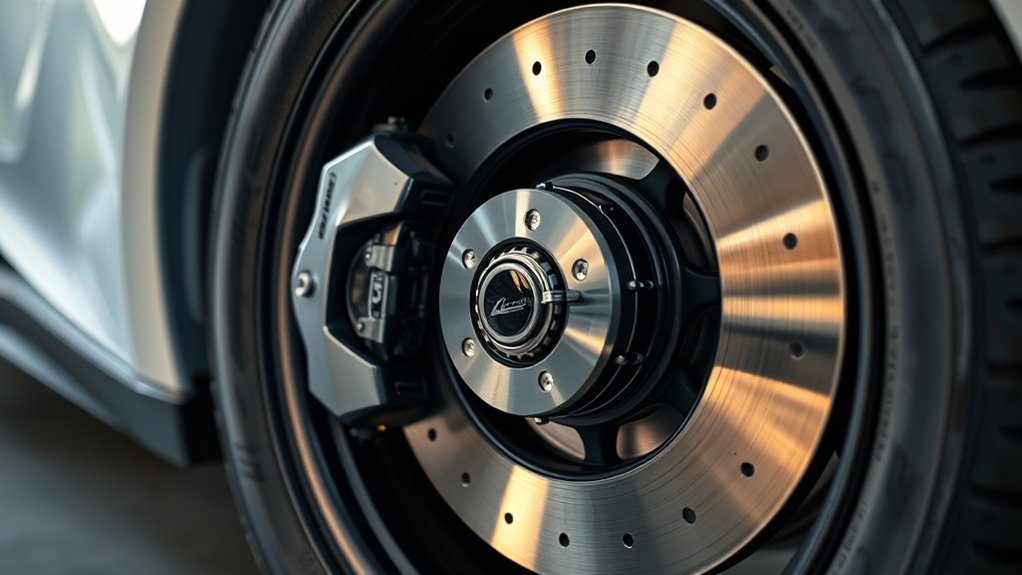
Maintaining traditional brakes in electric vehicles is essential for guaranteeing safety and ideal performance, even though EVs rely heavily on regenerative braking systems. Regular checks prevent issues like brake fluid contamination and uneven brake pad wear, which can compromise stopping power. You should routinely inspect the brake fluid level and replace it as needed to sustain proper hydraulic function. Pay attention to brake pad durability; if you notice squealing or reduced responsiveness, it’s time for replacement. Additionally, check for corrosion on brake components, especially if you live in a humid climate. Proper maintenance helps extend the life of your braking system and keeps it reliable in emergencies. Regularly inspecting brake system components can help identify potential issues early and prevent costly repairs. Incorporating preventative maintenance practices is vital for maintaining optimal brake performance over time. Keep these tasks in mind to ensure your brakes stay in top condition:
- Brake fluid level inspection
- Brake pad wear check
- Bleeding the brake system
- Visual inspection of calipers
- Checking for corrosion
- Navigation and mapping can assist in diagnosing uneven brake wear and ensuring your vehicle’s braking system functions optimally.
Additionally, staying informed about brake system technology can help you better understand the importance of these maintenance tasks. A thorough understanding of traditional brake maintenance can contribute significantly to your vehicle’s safety and longevity.
How to Maximize the Lifespan of Your EV’s Braking Components

To get the most out of your EV’s braking system, it’s important to adopt proactive habits that reduce wear and tear. Regularly check your tire alignment to prevent uneven brake usage and protect your tires. Maintaining good battery health is also essential; a healthy battery supports efficient regenerative braking, reducing reliance on traditional brakes. Avoid aggressive driving, which accelerates brake component wear, and use regenerative braking whenever possible to slow down gradually. Additionally, schedule routine inspections to catch issues early. Proper brake maintenance can significantly extend the lifespan of your braking components. Keeping an eye on battery performance can also help ensure your regenerative braking remains effective over time. Here are a quick overview:
| Action | Benefit |
|---|---|
| Check tire alignment | Ensures even brake wear and prolongs tire life |
| Maintain battery health | Optimizes regenerative braking, reducing brake stress |
| Practice smooth driving | Minimizes sudden stops, extending brake component lifespan |
Furthermore, understanding the local driving conditions can help you tailor your maintenance routine for optimal brake performance. Being aware of road surface conditions can also influence your driving habits and brake care strategies.
Safety Tips for Driving and Maintaining Your EV’s Braking System
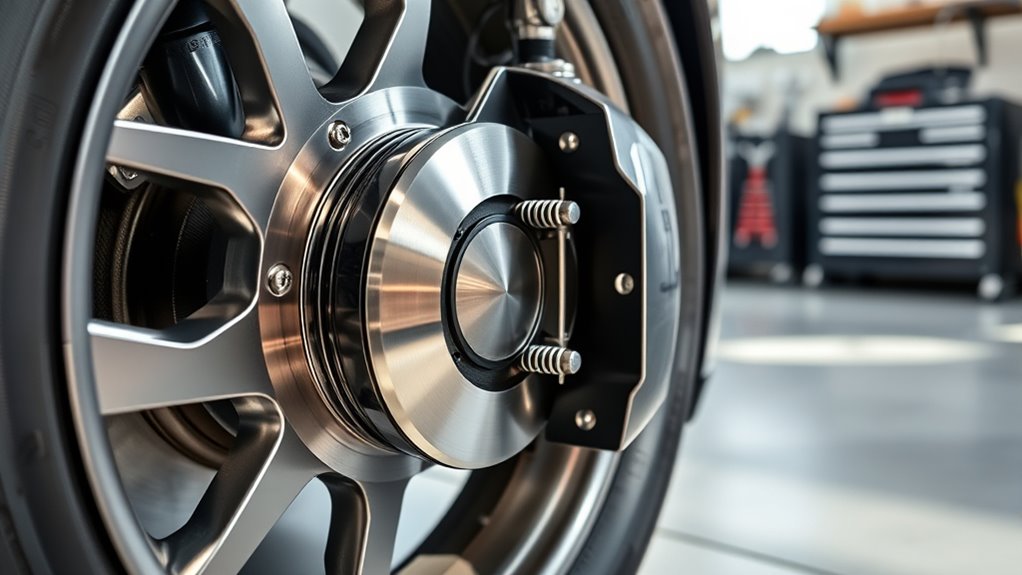
Practicing safe driving habits and proper maintenance can substantially boost your EV’s braking performance and longevity. Regularly check your brake fluid levels to ensure excellent braking response. Always engage your parking brake when parked, especially on inclines, to prevent unnecessary strain on the braking system. Be gentle on the brake pedal to avoid overheating and premature wear of brake components. Keep an eye on brake warning lights and address issues promptly. Additionally, inspect the parking brake for proper function and adjust it as needed. Maintaining clean brake components and avoiding aggressive braking can prolong system effectiveness. Remember, well-maintained brakes not only improve safety but also extend the lifespan of your EV’s braking system. Proper care keeps you safe and your vehicle reliable.
When to Seek Professional Inspection and Service for Your EV Brakes
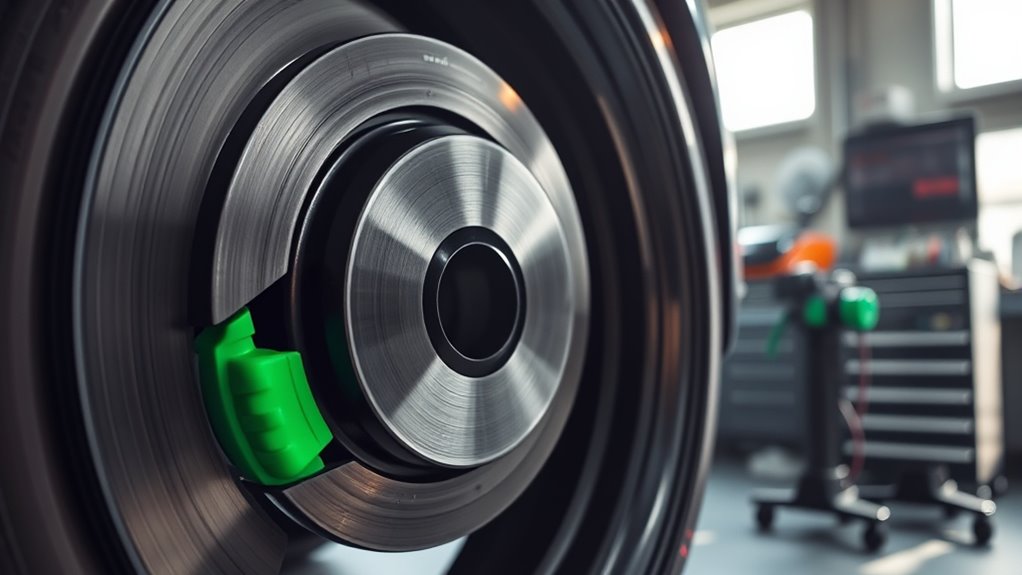
While regular at-home checks are essential, there are times when your EV’s brakes require professional inspection and service. If you notice a spongy brake pedal or if the brake fluid appears dark or contaminated, it’s time to see a professional. Additionally, if your parking brake isn’t holding the vehicle securely or feels loose, don’t delay in getting it inspected. A mechanic can check the brake fluid levels and quality, ensuring proper hydraulic function. They’ll also assess the parking brake’s mechanism and lining wear. Regular professional inspections help prevent brake failure and ensure your safety, especially as EV brake systems can differ from traditional setups. Trust a technician to keep your braking system in prime condition.
Frequently Asked Questions
How Do Regenerative Brakes Affect Traditional Brake Pad Wear?
Regenerative brakes reduce traditional brake pad wear by handling most of the stopping power, which means you’ll notice less brake noise and extend the time between pad replacements. As you rely more on regen braking, your brake pads experience less friction, leading to decreased wear and tear. This process helps you save money on maintenance, but it’s still wise to occasionally check your pads for any signs of wear or needed replacement.
Can Regenerative Braking Be Turned off or Adjusted?
Yes, you can turn off or adjust regenerative braking. Many EVs offer regenerative brake settings, allowing you to customize brake system performance. With brake system customization, you can choose to maximize or minimize regenerative braking, depending on your driving style. Simply access your vehicle’s settings menu or dedicated controls, and toggle or tweak regenerative brake settings to suit your preferences. This flexibility enhances your driving experience, making EVs more personalized and pleasant.
What Are Common Issues With EV Brake Systems?
You might encounter issues like electric brake failure, which can lead to reduced stopping power or uneven braking. Common problems include worn brake pads, sensor malfunctions, or corrosion in the brake system. To address these, you should perform brake system diagnostics regularly to identify issues early. Proper maintenance guarantees your EV’s brakes stay dependable, preventing safety risks and extending the lifespan of your braking components.
Does Climate Impact the Performance of Regenerative Brakes?
Climate effects definitely influence regenerative brake performance. Cold weather can cause moisture to freeze, reducing the efficiency of the systems, while high humidity and rain might lead to corrosion or less effective braking. Weather influence also increases the likelihood of road conditions that require greater brake engagement, affecting how well your regen brakes work. So, depending on your climate, you might notice variations in regenerative braking performance, especially during extreme weather.
Are There Specific Signs of Failure in EV Brake Components?
Yes, you should watch for signs of failure in your EV brake components. If you notice the brake pedal pulsation or a spongy feel, it could indicate issues like worn brake fluid or uneven brake pad wear. These symptoms suggest you need to have your brakes inspected promptly to prevent further damage and make certain of safe stopping performance. Regular maintenance helps catch problems early and keeps your braking system reliable.
Conclusion
Regularly maintaining your EV’s brakes, including regenerative systems, is key to safety and longevity. Did you know that proper brake care can extend your brake components’ lifespan by up to 50%? By staying attentive to signs of wear and following recommended maintenance, you guarantee reliable stopping power and save money in the long run. Keep your brakes in top shape, and enjoy a safer, more efficient driving experience.