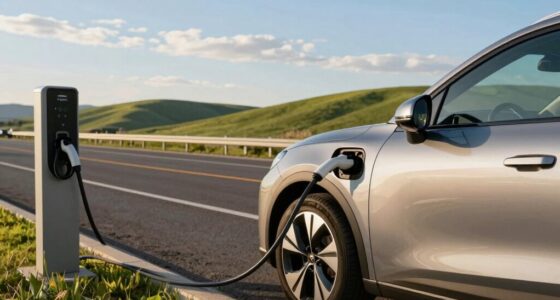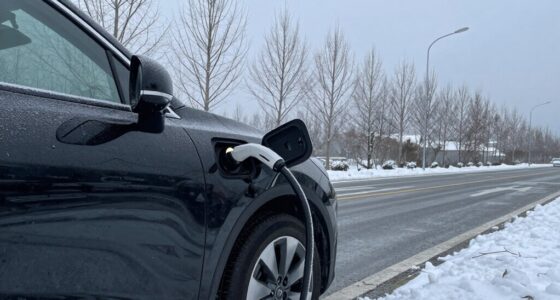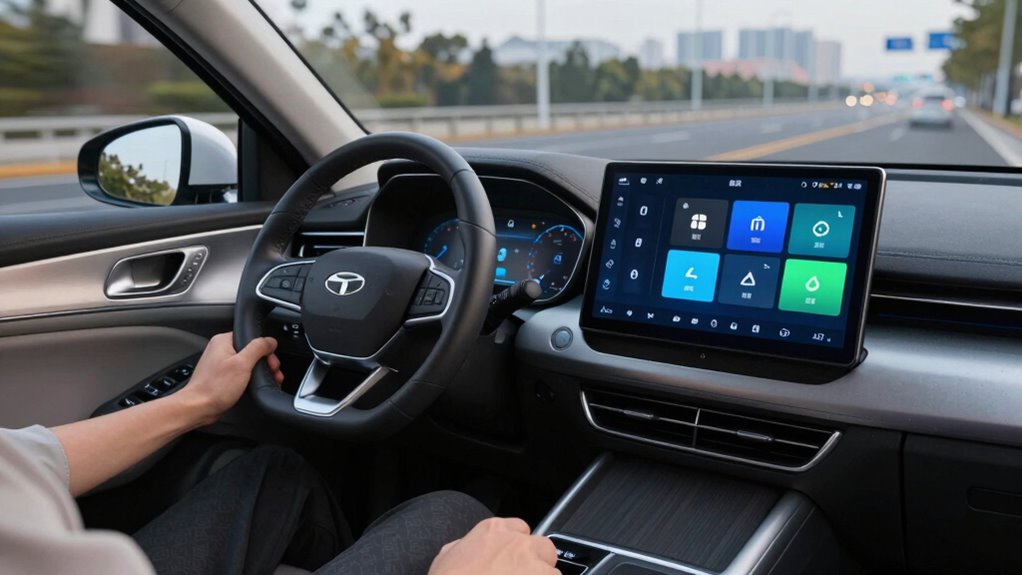

To stretch your EV’s range when needed, switch to eco mode, which reduces throttle response and boosts regenerative braking to recover energy during deceleration. Keep your tires properly inflated to lower rolling resistance, and consider adjusting climate control settings for better efficiency. Using eco driving habits alongside these modes maximizes energy conservation. If you’re curious about more ways to extend your range and use driving modes effectively, there’s plenty more to explore.

Get backup power and energy gear delivered free — and shop member deals
- Fast, free delivery on millions of items
- Access to Prime Big Deal Days deals on October 6–7
- Prime Video, Amazon Music and more included
Key Takeaways
- Switch to Eco mode to limit power output and enhance regenerative braking for maximum energy savings.
- Avoid using Sport or Comfort modes that prioritize performance over efficiency.
- Ensure tires are properly inflated to reduce rolling resistance and improve range.
- Use climate control settings conservatively to minimize energy drain during eco-driving.
- Combine driving mode with mindful driving habits for optimal range extension when needed.
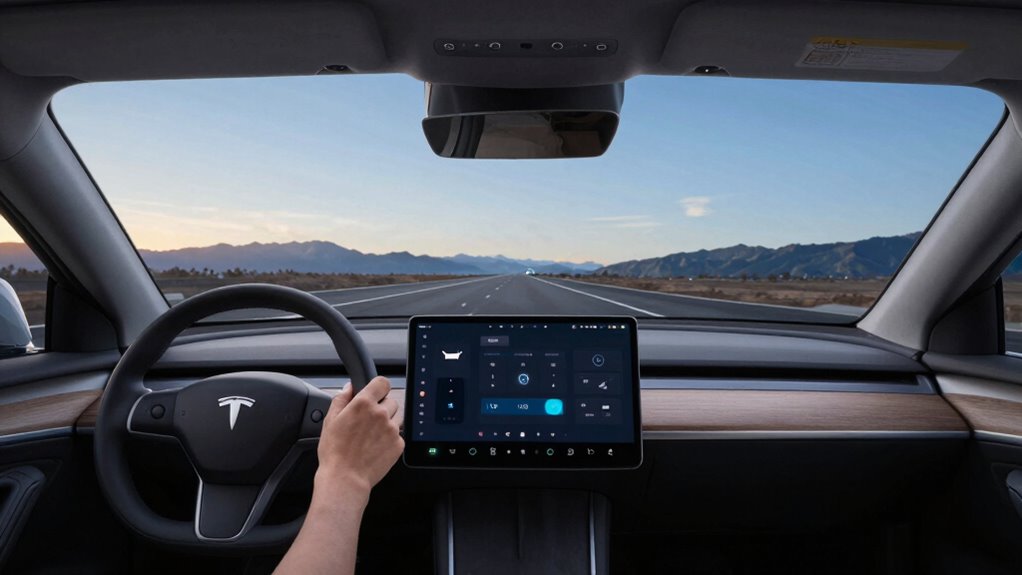
Ever wonder how to maximize your electric vehicle’s range? One of the most effective ways is by understanding and using your car’s driving modes. Many EVs come equipped with different modes designed to optimize energy consumption, especially when you’re trying to extend your range. When you switch to a more efficient driving mode, it can markedly improve fuel efficiency, allowing you to go farther on a single charge. These modes often adjust various vehicle systems—such as throttle response, regenerative braking, and climate control—to help conserve energy.
A key aspect of maximizing range is paying attention to tire pressure. Properly inflated tires reduce rolling resistance, which means your vehicle doesn’t have to work as hard to move forward. When your tires are under-inflated, it increases fuel consumption because your EV has to exert more effort to maintain speed. Before heading out, check your tire pressure and inflate them to the manufacturer’s recommended levels. This simple step can make a noticeable difference in how much energy your vehicle uses, especially when combined with the right driving mode.
Different driving modes often include options like “Eco,” “Comfort,” or “Sport.” If your main goal is to stretch your range, selecting the “Eco” mode is generally your best bet. This mode restricts power output and modifies throttle response to prevent rapid acceleration, which tends to drain the battery faster. It also may activate features that optimize regenerative braking, which recycles energy back into the battery during deceleration. When you’re in Eco mode, your vehicle becomes more conservative with energy, helping you reach your destination without needing a charge. Additionally, understanding how to manage vehicle settings can further improve efficiency during your drive. Regularly monitoring your vehicle’s battery management system can also provide insights into optimizing energy use throughout your journey. Being mindful of driving behavior and making small adjustments can significantly impact your overall range.
As an affiliate, we earn on qualifying purchases.
Frequently Asked Questions
Can Driving Modes Damage My Vehicle’s Transmission?
Using driving modes generally won’t damage your vehicle’s transmission if you stick to compatible modes. Poor transmission health or incompatible driving mode settings can cause strain or wear over time. Always check your car’s manual for driving mode compatibility and avoid switching modes abruptly. Proper use helps maintain transmission longevity, but neglecting transmission health or forcing incompatible modes may lead to issues down the line.
Are Driving Modes Customizable for Individual Preferences?
Like a tailor fitting a suit to your exact measurements, many vehicles offer customizable driving modes. You can personalize options to match your user preferences, adjusting settings for efficiency, comfort, or performance. While not all cars allow full customization, exploring your vehicle’s personalization options lets you fine-tune your drive. This way, you shape your driving experience around your needs, much like a composer tuning a symphony to perfection.
Do Driving Modes Affect Tire Wear or Suspension?
Driving modes can influence tire longevity and suspension performance, but their impact varies. For example, aggressive modes may cause faster tire wear due to increased traction effort, while eco modes typically reduce stress on tires. Suspension settings also change, affecting ride comfort and durability. By choosing the right mode, you can optimize tire and suspension health, ultimately extending their lifespan and maintaining better vehicle handling in different driving conditions.
How Quickly Can I Switch Between Driving Modes?
You can switch driving modes almost instantly, usually within a second or two, allowing quick adjustments for battery optimization or fuel efficiency. Notably, some vehicles offer seamless, one-touch mode changes, improving driving convenience. This rapid switching helps you optimize range without interrupting your journey, especially when trying to conserve energy. So, whether you’re aiming for better battery life or fuel savings, changing modes is quick and simple, enhancing your driving experience.
Are There Any Safety Risks When Using Eco or Range Modes?
Using eco or range modes generally doesn’t pose safety risks if you stay attentive and adjust your driver behavior accordingly. These modes alter throttle response and acceleration, so you might need to be more cautious when merging or overtaking. While they reduce environmental impact by conserving energy, always prioritize safety by maintaining awareness of your surroundings. Be mindful that improper driver behavior in these modes could lead to less control, so stay alert at all times.
As an affiliate, we earn on qualifying purchases.
Conclusion
By mastering your vehicle’s driving modes, you’re steering your journey like a captain directing calm and stormy seas. When you need to stretch your range, switching to eco mode is like gently easing into a soothing lullaby—saving energy and extending your drive. Think of it as your secret weapon in the race against time and battery life. With these tools, you’re not just driving—you’re taking control, turning every trip into a smooth, memorable voyage.
regenerative braking system for electric cars
As an affiliate, we earn on qualifying purchases.
As an affiliate, we earn on qualifying purchases.
EV climate control efficiency accessories
As an affiliate, we earn on qualifying purchases.
As an affiliate, we earn on qualifying purchases.
Fall Picks
fall essentials
As an affiliate, we earn on qualifying purchases.