In winter, your EV’s charging feels slower because low temperatures slow down chemical reactions in the battery, reducing its ability to accept energy quickly. Charging stations may also operate less efficiently or shut down temporarily to protect their hardware. Cold weather increases energy demand and can cause delays, especially on icy or snowy roads. If you want to understand how to minimize these effects and plan better, keep exploring what’s behind winter charging challenges.
Listen free for 30 days with Audible
Thousands of audiobooks and originals — cancel anytime.
As an affiliate, we earn on qualifying purchases.
Key Takeaways
- Cold temperatures slow down battery chemical reactions, reducing charging speed and efficiency.
- Charging stations may operate at lower capacity or temporarily shut down in cold weather.
- Preconditioning the battery before charging improves efficiency and shortens charging time.
- Snow, ice, and road conditions can delay access to chargers, impacting charging routines.
- Slower charging in winter is a safety feature to protect hardware and ensure optimal battery health.
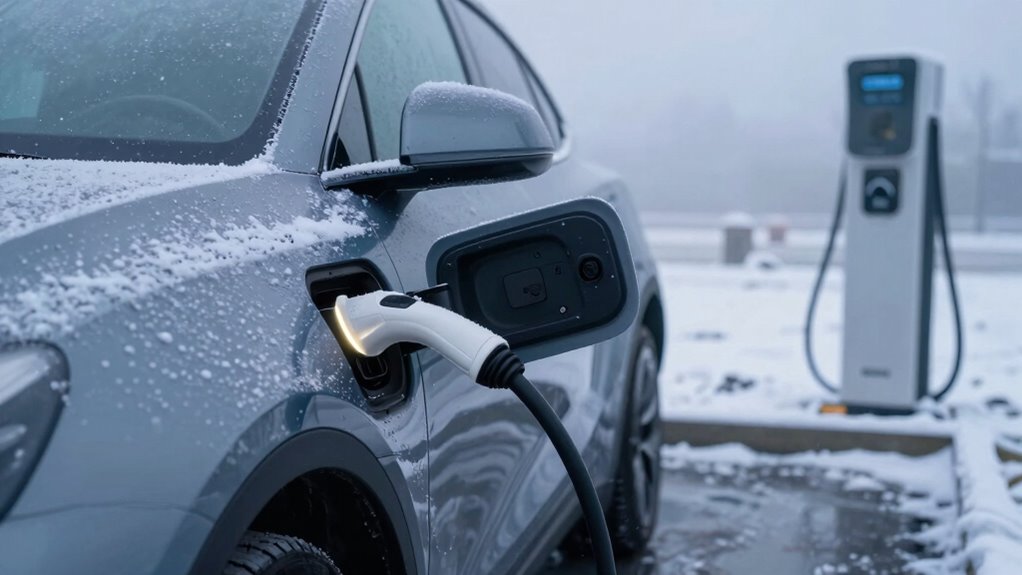
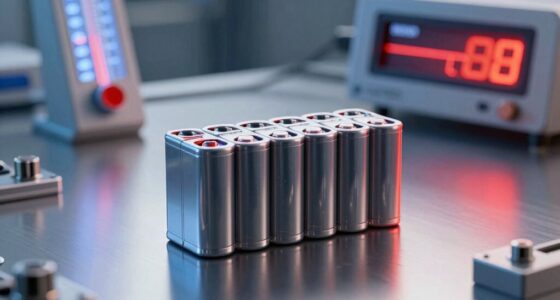
During winter, you might notice your electric vehicle takes longer to charge, which can be frustrating. This slowdown isn’t just a coincidence; it’s rooted in how cold weather affects your car’s battery efficiency. When temperatures drop, the chemical reactions inside your battery slow down, reducing its ability to accept and deliver energy effectively. As a result, your charger has to work harder, and the charging process naturally takes more time. This isn’t a sign of a malfunction but a normal response of the battery to cold temperatures. You might also see a decrease in driving range because the battery isn’t operating at its ideal level.
Cold weather slows battery reactions, increasing charging time and reducing driving range—normal winter effects on your electric vehicle.
Road conditions during winter further impact your charging experience. Snow, ice, and cold temperatures can make it more difficult for you to reach charging stations quickly and safely. If roads are icy or snow-covered, you may need to slow down or take longer routes, which increases your overall travel time and delays the opportunity to recharge. In some cases, winter weather can block access to certain chargers altogether, especially if they’re located in exposed areas prone to snowdrifts or ice buildup. These factors combine to make your charging routine more cumbersome during colder months, even before you plug in.
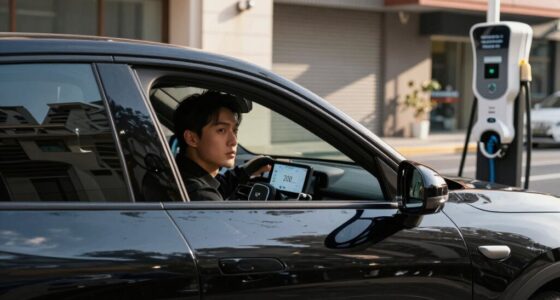
You should also consider that charging stations themselves may experience slower performance in winter. Cold weather can affect the hardware, causing chargers to operate at reduced efficiency or even temporarily shut down to prevent damage. If you’re using fast chargers, you might notice that they don’t deliver power as quickly as they do in warmer weather. This slowdown is a safety feature meant to protect both the vehicle and the charging equipment. As a driver, it’s important to plan for these delays, especially if you rely heavily on fast chargers for long trips. Additionally, battery chemistry can influence how well your EV performs in cold weather, affecting both range and charging speed. Cold weather can also lead to increased energy consumption, further impacting your overall driving and charging experience. To help combat these issues, some EVs are equipped with thermal management systems that can help maintain optimal battery temperatures during winter conditions. Properly preconditioning your battery before charging can also make a notable difference in improving efficiency and reducing charging time during cold weather.
EV battery thermal management system
As an affiliate, we earn on qualifying purchases.
As an affiliate, we earn on qualifying purchases.
Frequently Asked Questions
Does Cold Weather Permanently Reduce My Ev’s Battery Capacity?
Cold weather temporarily reduces your EV’s battery capacity due to thermal management needs, but it doesn’t cause permanent battery degradation. Battery degradation happens over time from regular use, aging, and repeated charging cycles. When it’s cold, your vehicle’s thermal management system works harder to keep the battery warm, which can reduce range. Once temperatures rise, your battery’s capacity generally returns to normal, so the effect isn’t permanent.
How Can I Maximize Charging Speed During Winter?
To maximize charging speed during winter, guarantee your battery is well-insulated to retain heat, which improves charging efficiency. Park near a charging station with good power output and minimal cable length to reduce energy loss. Precondition your vehicle while plugged in to warm the battery before charging. These steps help maintain ideal battery temperature and improve charging speed, making winter charging faster and more efficient.
Are There Specific Chargers Better Suited for Winter Charging?
You’ll want to seek out high-quality charging stations designed for winter conditions. Some chargers are built with better *charging station accessibility*, ensuring you don’t get stuck in the cold, while others reduce *charging speed variability* caused by low temperatures. Look for fast chargers with advanced cooling systems and reliable power delivery, so even in winter’s chill, your car charges swiftly. Don’t settle for less—choose stations that keep pace with winter’s icy grip!
Does Winter Driving Affect My Ev’s Overall Range?
Winter driving can reduce your EV’s overall range because cold temperatures affect battery insulation, making it less efficient. You might notice decreased range, especially during short trips. To mitigate this, make sure your charging station placement is convenient and warm, ideally indoors or in sheltered locations. Preconditioning your battery before driving and maintaining ideal tire pressure also help preserve range, so you get the most out of your EV during colder months.
Can Pre-Conditioning the Battery Improve Winter Charging Efficiency?
Pre-conditioning your EV’s battery can considerably improve winter charging efficiency. By using battery warming and temperature management features before charging, you raise the battery temperature to an ideal level. This reduces resistance, allowing for faster charging and better performance. You should activate pre-conditioning while plugged in, especially in cold weather, to guarantee your battery is warm enough for efficient charging and to minimize the impact of low temperatures on your EV’s range.
As an affiliate, we earn on qualifying purchases.
Conclusion
Winter charging might feel like crawling through molasses, but it’s just your car’s way of battling the cold. Remember, this icy slowdown is temporary—your vehicle is resilient and adaptable, just like you. Embrace the slower pace as part of the winter journey, knowing that with patience, you’ll get through it faster than you can say “spring’s arrival.” Stay prepared, stay patient, and keep your eyes on the sunny days ahead—spring’s warmth will melt away the coldest obstacles.
fast EV charger for cold weather
As an affiliate, we earn on qualifying purchases.
As an affiliate, we earn on qualifying purchases.
As an affiliate, we earn on qualifying purchases.
NFL season / tailgating Picks
team gear
As an affiliate, we earn on qualifying purchases.