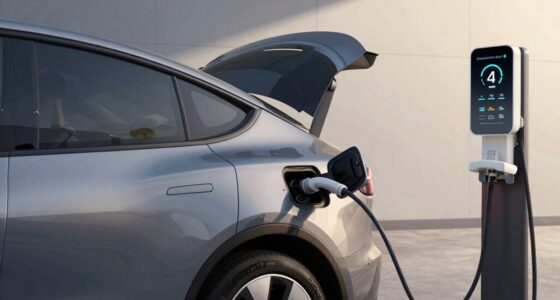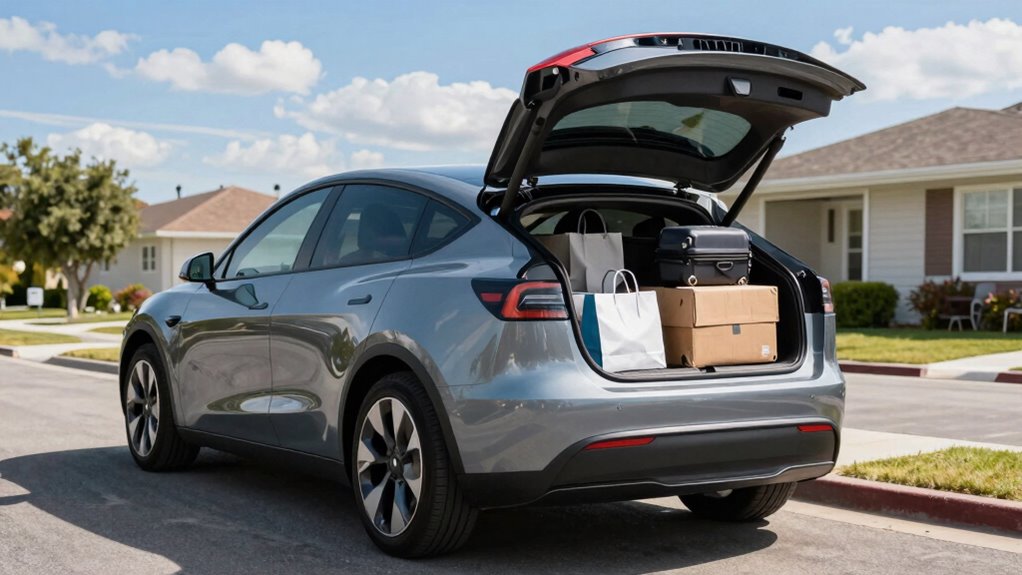

Carrying extra cargo quietly reduces your EV’s range because added weight makes the motor work harder, draining the battery faster. Additionally, larger or poorly positioned cargo increases aerodynamic drag, causing your vehicle to use more energy to maintain speed. Both factors combine to lower efficiency, especially at higher speeds. If you want to keep your EV running farther on a single charge, understanding how cargo impacts performance can help you plan better trips and optimize efficiency.

Get backup power and energy gear delivered free — and shop member deals
- Fast, free delivery on millions of items
- Access to Prime Big Deal Days deals on October 6–7
- Prime Video, Amazon Music and more included
Key Takeaways
- Extra cargo increases motor workload, leading to faster battery drain and reduced driving range.
- Heavier loads require more energy to maintain speed, especially at highway velocities.
- Cargo alters vehicle shape, increasing aerodynamic drag and energy consumption.
- Proper weight distribution and streamlined cargo can help mitigate efficiency losses.
- Planning trips with lighter loads extends EV range by minimizing additional energy demands.
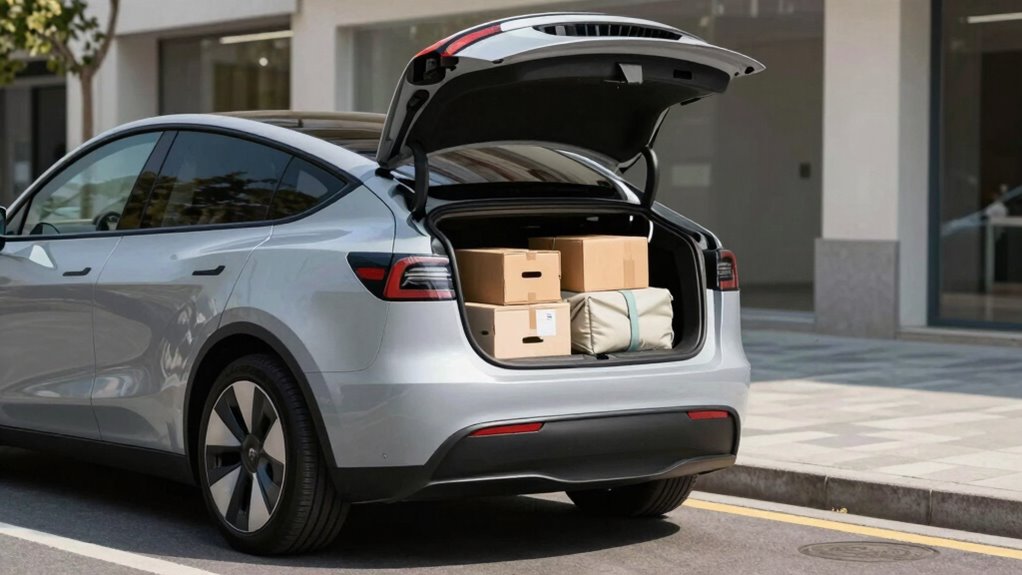
Have you ever wondered how carrying cargo affects your electric vehicle’s range? It’s a subtle change that many drivers overlook, yet it can make a noticeable difference over time. When you load your EV with extra weight, it impacts your vehicle’s battery efficiency. The more mass your car carries, the harder the motor has to work to move it forward. This increased effort drains the battery faster, reducing the overall range you can travel on a single charge. The efficiency of your battery isn’t just about its capacity; it’s also about how effectively it converts stored energy into motion. Extra cargo forces your vehicle to use more energy, which means you won’t get as far before needing to recharge. Additionally, the vehicle’s power quality and monitoring can influence how efficiently energy is used under different loads, affecting range. But weight isn’t the only factor at play. Cargo also influences your vehicle’s aerodynamic drag, especially if it alters the shape of your car. For example, a roof rack loaded with luggage or a bulky cargo box increases the vehicle’s frontal area, creating more resistance against the air as you drive. This aerodynamic drag requires your EV to work harder to maintain speed, further sapping the battery’s power. The combination of additional weight and increased drag means your vehicle’s energy efficiency drops, leading to a shorter driving range. That’s why, even if your battery capacity stays the same, your actual distance traveled per charge shrinks when you’re hauling extra cargo. You might notice this effect most when traveling at highway speeds, where aerodynamic drag becomes a bigger factor. The faster you go, the more air resistance you face, and the more the added cargo compounds this resistance. Over time, the cumulative effect of carrying weight and dealing with increased drag can markedly cut into your vehicle’s range. It’s worth noting that vehicle design can also influence how significantly cargo impacts your driving efficiency. Recognizing how the interplay between weight and aerodynamics affects your EV can help you optimize your trips for longevity and efficiency. Ensuring your cargo is as streamlined as possible can help mitigate some of these effects, but it can’t completely eliminate them. Furthermore, understanding how cargo impacts your EV helps you plan better for longer trips. You might choose to carry less weight or remove bulky accessories when you need maximum range. Recognizing that battery efficiency diminishes with extra cargo encourages smarter packing and a more mindful approach to driving. Proper weight distribution can also improve overall vehicle stability and efficiency, especially during longer journeys. By respecting these factors, you can extend your EV’s range and get the most out of your vehicle’s capabilities, even when you’re hauling a little extra.
As an affiliate, we earn on qualifying purchases.
Frequently Asked Questions
How Does Cargo Weight Affect EV Battery Lifespan?
Carrying extra cargo increases your EV’s energy consumption, which accelerates battery degradation over time. The added weight forces the battery to work harder, generating more heat and wear, ultimately shortening its lifespan. You might notice reduced battery capacity sooner if you frequently transport heavy loads. To extend your battery’s life, keep cargo light when possible, and avoid unnecessary weight to minimize strain and preserve your EV’s battery health.
Are There Optimal Cargo Weights for Maximum Efficiency?
Yes, there are ideal cargo weights for maximum efficiency. You should focus on proper cargo distribution and load balancing to prevent uneven weight that strains the electric vehicle’s drivetrain. Keeping the load within recommended limits ensures better energy use and range. Avoid overloading, which increases drag and battery drain, and underloading, which isn’t efficient either. Striking the right balance helps your EV perform at its best while maintaining battery health.
Does Cargo Weight Impact Charging Speed?
Cargo weight doesn’t directly impact your EV’s charging speed, but it’s like a boat carrying extra cargo—it affects overall balance. Proper cargo distribution and weight distribution help optimize efficiency, ensuring your battery doesn’t strain to power an uneven load. While heavy cargo may not slow charging times, excess weight can reduce range, making your vehicle work harder and potentially extending charging duration as the system compensates for the added load.
How Do Different Terrains Influence Cargo Weight Effects?
Different terrains impact how cargo weight affects your EV’s range because terrain adaptation plays a vital role. On hilly or uneven surfaces, additional cargo increases the vehicle’s load, requiring more power and reducing efficiency. Proper cargo distribution helps balance the weight, easing strain on the motor. So, when driving on varied terrains, manage your cargo carefully to optimize range and guarantee smooth, efficient performance across all conditions.
Can Cargo Weight Variations Cause Regenerative Braking Changes?
Yes, cargo weight variations can cause regenerative braking changes. When you alter load distribution or cargo stability, it influences how your EV decelerates. Heavier loads require more energy absorption during braking, which can affect regenerative braking efficiency. If the cargo shifts, it may change how the vehicle’s sensors detect deceleration, potentially reducing energy recovery. Maintaining cargo stable and balanced guarantees consistent regenerative braking performance, optimizing your vehicle’s range and safety.
aerodynamic cargo box for electric vehicle
As an affiliate, we earn on qualifying purchases.
As an affiliate, we earn on qualifying purchases.
Conclusion
As you load your EV, remember that cargo is like a silent anchor pulling down your range’s horizon. Each pound you add whispers a quiet reminder that even the smallest weight can dim your journey’s light. By choosing what to carry carefully, you steer your voyage with purpose, ensuring your car’s spirit stays strong and your destination remains within reach. In the end, less weight means a freer path, brighter and longer, for your adventure ahead.
EV cargo weight distribution system
As an affiliate, we earn on qualifying purchases.
As an affiliate, we earn on qualifying purchases.
electric vehicle cargo management accessories
As an affiliate, we earn on qualifying purchases.
As an affiliate, we earn on qualifying purchases.
Fall Picks
fall essentials
As an affiliate, we earn on qualifying purchases.