To keep your EV’s resale value high, focus on maintaining your battery by avoiding extremes like full charges or deep discharges, and keep it between 20% and 80%. Regularly monitor its health and promptly address any issues. Always stick to the manufacturer’s maintenance schedule, and keep detailed records of service and repairs. Staying proactive about battery care and documentation reassures buyers and boosts confidence—continue exploring ways to maximize your vehicle’s value.
Key Takeaways
- Regularly monitor and maintain the battery within 20-80% charge range to reduce wear and prolong lifespan.
- Keep detailed records of all battery health checks, software updates, and maintenance activities for proof of proper care.
- Follow manufacturer-recommended maintenance schedules and conduct timely check-ups to identify issues early.
- Avoid extreme charging habits, such as always charging to 100% or letting the battery drain completely.
- Demonstrate consistent vehicle upkeep through documented service history to boost buyer confidence and resale value.

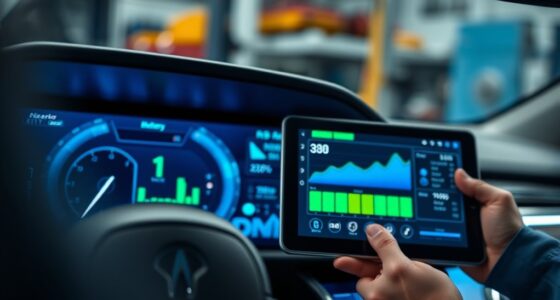
Keeping your electric vehicle (EV) in top condition is essential if you want to maximize its resale value. One of the most critical factors influencing this is the battery’s health. Battery longevity directly impacts how well your EV performs over time and how much a future buyer will be willing to pay. To preserve the battery’s condition, you should avoid extreme charging habits, such as constantly charging to 100% or letting it drain completely. Instead, aim to keep the charge level between 20% and 80%, which can help reduce battery wear. Regularly monitoring your battery’s performance through the vehicle’s onboard system or dedicated apps can alert you to any issues early, allowing you to address potential problems before they worsen. Proper care not only extends the battery’s life but also demonstrates to buyers that you’ve taken good care of the vehicle, which can positively influence resale value. Understanding credit card terms can also be useful for managing expenses related to vehicle maintenance or upgrades.
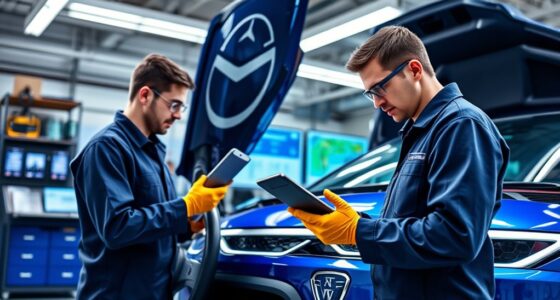
Maintaining detailed and organized maintenance records is equally essential. These records serve as proof that you’ve adhered to the manufacturer’s recommended service schedule, including updates on the battery’s condition, software updates, and other essential repairs. When potential buyers see comprehensive maintenance documentation, they feel more confident about the vehicle’s reliability and longevity. This transparency can boost your bargaining position and fetch a higher resale price. Make sure to keep receipts, service reports, and records of any battery-related maintenance or replacements. If your vehicle has undergone any firmware updates or software optimizations to improve battery performance, document these thoroughly. Well-maintained records also help in case you need to demonstrate that the battery has been regularly checked and serviced, which reassures buyers that your EV has been properly cared for.
In addition to monitoring your battery and keeping records, staying within the manufacturer’s recommended maintenance schedule is indispensable. Regular check-ups can catch potential issues early and prevent costly repairs down the line. When it’s time to sell, a detailed history of proper maintenance, combined with a healthy battery, can considerably boost your EV’s resale value. Taking these proactive steps shows that you’ve prioritized the vehicle’s longevity and reliability, making it more attractive to buyers. Ultimately, consistent care, careful record-keeping, and mindful battery management are your best tools for retaining your EV’s value over time.
Top picks for "tips maintain resale"
Open Amazon search results for this keyword.
As an affiliate, we earn on qualifying purchases.
Frequently Asked Questions
How Does Climate Impact EV Battery Longevity?
Climate impacts your EV battery longevity through climate-related degradation, especially in extreme temperatures. High heat accelerates battery wear, while cold can reduce charging efficiency and cause stress. Proper temperature management is essential; using pre-conditioning features and parking in shaded or sheltered areas helps protect your battery. By managing these climate effects, you extend battery life, maintain resale value, and guarantee your EV performs reliably over time.
Should I Upgrade My Ev’s Software Regularly?
Yes, you should upgrade your EV’s software regularly. Software updates improve vehicle performance, safety, and efficiency, often including important bug fixes and new features. Keep an eye on your maintenance schedules, as updates can also enhance battery management and extend longevity. Regular updates ensure your EV runs smoothly and maintains its resale value, so check with your manufacturer or dealer to stay current with the latest software releases.
What Are the Best Storage Conditions for EVS?
You should store your EV in a cool, dry environment with a stable battery temperature, ideally between 20-25°C. Keep it away from extreme heat, direct sunlight, and moisture, which can degrade the battery and other components. Use a garage or covered storage to protect your EV from the elements. Maintaining a controlled storage environment helps preserve battery health, ensuring your vehicle stays in top condition for resale or daily use.
How Does Rapid Charging Affect Battery Health?
Rapid charging can impact your battery health if you don’t follow proper charging habits. Frequent use of rapid chargers may cause battery calibration issues, reducing overall capacity over time. To protect your battery, avoid always charging rapidly and opt for regular, slower charges when possible. Maintaining good charging habits helps preserve your battery’s longevity, ensuring your EV retains its resale value and continues performing well in the long run.
Are Extended Warranties Worth the Cost?
Extended warranties can be worth the cost if they offer coverage for battery replacement and other major repairs, giving you peace of mind. They protect your investment, especially as the resale market values well-maintained EVs with reliable batteries. By covering potential future costs, extended warranties help preserve your vehicle’s value, ensuring you don’t face unexpected expenses that could diminish resale value or hinder your ability to sell confidently.
Conclusion
By staying on top of battery care and keeping detailed maintenance records, you can markedly boost your EV’s resale value. For example, imagine a owner who regularly services their battery and documents every check-up—when it’s time to sell, they attract buyers willing to pay a premium. Consistent upkeep not only ensures your EV performs well but also proves its reliability, making it a smart investment that pays off in the long run.