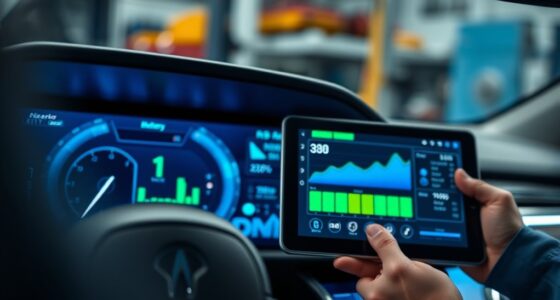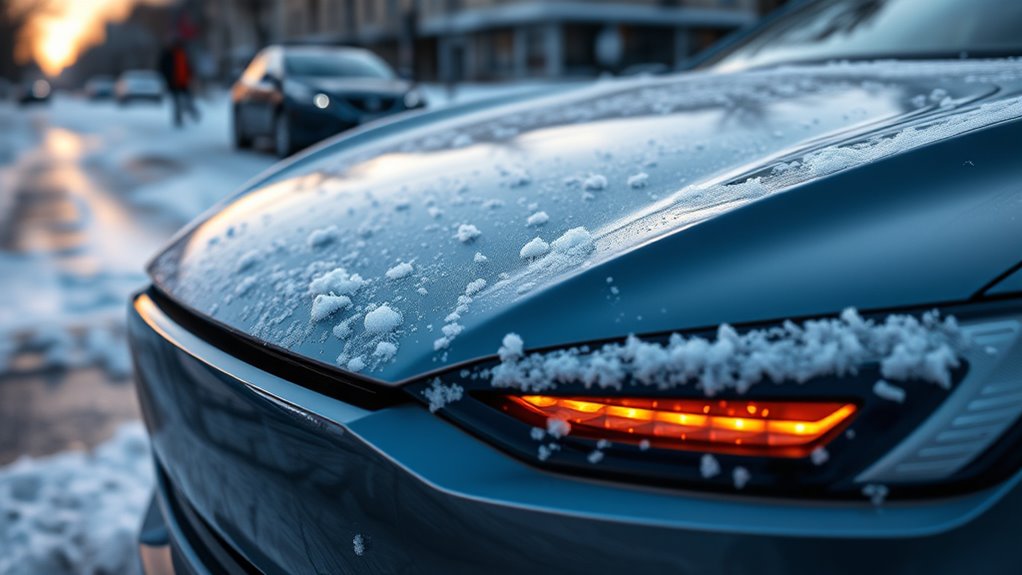

In freezing weather, electric cars use battery heaters and smart thermal management systems to keep your battery warm and functioning efficiently. These systems activate automatically or can be preset to warm the battery before driving, preventing freezing and performance issues. By maintaining ideal temperatures, they protect your battery’s longevity, ensure consistent range, and reduce sluggish acceleration. To discover how these features work together to keep your EV reliable in cold conditions, keep exploring the details.

Get backup power and energy gear delivered free — and shop member deals
- Fast, free delivery on millions of items
- Access to Prime Big Deal Days deals on October 6–7
- Prime Video, Amazon Music and more included
Key Takeaways
- EV battery heaters activate automatically below certain temperatures to prevent freezing and maintain optimal operating conditions.
- Pre-conditioning systems warm the battery before driving, reducing energy consumption and protecting against cold damage.
- Thermal management ensures batteries stay within ideal temperature ranges, preserving performance and extending battery lifespan.
- Smart sensors optimize heater use, balancing energy efficiency with effective heating during cold weather.
- Proper thermal regulation prevents sluggish performance and range loss caused by cold temperatures in electric vehicles.

Electric vehicle battery heaters are devices designed to keep your EV’s battery at an ideal temperature, especially in cold weather. When temperatures drop, your vehicle’s battery can struggle to perform efficiently, leading to reduced range and longer charging times. That’s where battery heaters come into play, ensuring your car maintains the proper thermal management needed for reliable operation. These heaters activate automatically when the temperature falls below a certain threshold, warming the battery to prevent freezing and maintain efficiency.
Proper thermal management is vital because cold batteries become less efficient, which impacts both performance and longevity. When your EV’s battery is too cold, the chemical reactions inside slow down, decreasing power output and increasing energy consumption. By keeping the battery within an ideal temperature range, battery heaters help you avoid these issues, ensuring your vehicle delivers consistent power and range even in harsh winter conditions. This means you can start your journey without worrying about unexpected drops in range or sluggish acceleration caused by cold temperatures.
However, using battery heaters involves some trade-offs, primarily in energy consumption. Running these heaters requires electrical power, which comes from your vehicle’s battery. During cold weather, activating the heater will draw additional energy, potentially reducing your driving range temporarily. That’s why many EVs are designed to optimize heater operation—using sensors to activate only when necessary and sometimes pre-conditioning the battery while plugged in, which minimizes the impact on your driving range. Some models also incorporate smart thermal management systems that balance heating needs with overall energy efficiency, reducing unnecessary power use while ensuring your battery stays at the right temperature.
You’ll find that modern EVs often include features like pre-conditioning, allowing you to warm up the battery before you start driving, especially if you’ve scheduled your departure in advance. This proactive approach conserves energy since the vehicle uses grid power rather than drawing on the battery during the trip. In colder climates, these systems are invaluable, helping you maximize range and maintain performance without sacrificing comfort or convenience. Being aware of how your vehicle manages thermal regulation can help you plan better, ensuring you don’t run into unexpected range issues on winter mornings.
As an affiliate, we earn on qualifying purchases.
Frequently Asked Questions
How Do Battery Heaters Impact Overall Vehicle Efficiency?
Battery heaters slightly reduce your vehicle’s overall efficiency because they consume energy during thermal regulation. When the heater activates in cold weather, it draws power from your battery, which can decrease range. However, this trade-off helps keep your battery at ideal temperature, ensuring better performance and longevity. While it may slightly impact efficiency, it ultimately protects your battery and maintains vehicle reliability in freezing conditions.
Are There Any Risks of Overheating With Battery Heaters?
Like a delicate dance, thermal management is key to avoiding overheating risks with battery heaters. While these systems are designed to regulate temperature, improper use or malfunctions can lead to overheating. You should verify your vehicle’s thermal management system is working correctly and monitor battery temperature during extreme conditions. Regular maintenance helps prevent overheating risks, keeping your EV safe and efficient, no matter how cold it gets outside.
Do All Electric Vehicles Come With Built-In Battery Heaters?
Not all electric vehicles come with built-in battery heaters. If yours does, you’ll want to pay attention to battery heater maintenance to guarantee peak performance. Keep in mind that heater power consumption can impact your overall range, especially in cold weather. Regularly checking and maintaining the heater helps prevent issues and keeps your EV running smoothly. Some models might require aftermarket solutions if they lack this feature.
How Long Does It Take for a Battery Heater to Warm the Battery?
Like a warm hug on a cold day, a battery heater activation quickly warms your EV’s battery. Typically, warming time varies but usually takes around 30 minutes to an hour, depending on the outside temperature and heater efficiency. During this period, the heater works diligently to raise the battery temperature, ensuring ideal performance and range. You’ll notice that the sooner the battery warms, the better your car’s overall efficiency in freezing weather.
Can Battery Heaters Be Manually Turned on or Off?
Yes, battery heaters often feature manual activation, giving you better user control over the heating process. You can typically turn them on or off through your vehicle’s settings or a dedicated app, allowing you to prepare your car for cold weather. This manual control helps optimize battery performance and range, especially when you know you’ll need the heater in advance. Just remember to check your car’s specific features for precise instructions.
electric vehicle thermal management system
As an affiliate, we earn on qualifying purchases.
As an affiliate, we earn on qualifying purchases.
Conclusion
As you navigate freezing mornings, it’s no coincidence that EV battery heaters exist to protect your car’s heart. They quietly work, ensuring your vehicle starts smoothly and stays reliable despite the cold. Just like how a warm smile can brighten your day unexpectedly, these heaters remind you that technology often works behind the scenes to keep you moving. So, next time you face winter’s chill, trust that your electric car has the perfect safeguard, just when you need it most.
As an affiliate, we earn on qualifying purchases.
As an affiliate, we earn on qualifying purchases.
Fall Picks
fall essentials
As an affiliate, we earn on qualifying purchases.