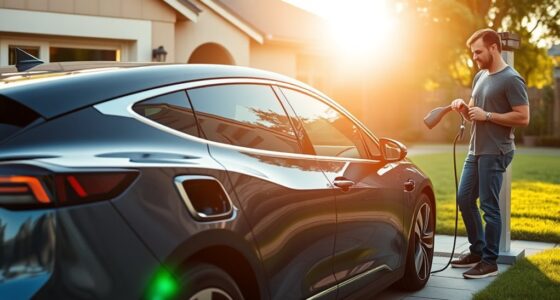
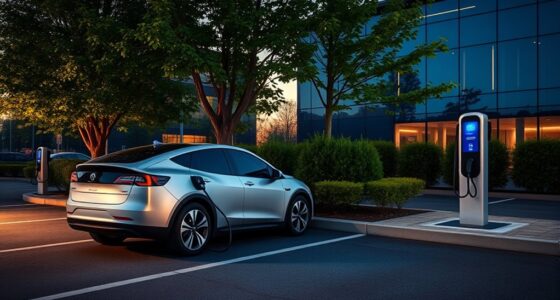
To get your HOA on board with installing an EV charger, start by engaging early with community leaders and attending HOA meetings. Clearly explain how the charger benefits the community, such as increasing property value, and present detailed plans backed by contractor estimates and visuals. Be familiar with HOA rules and local regulations to guarantee compliance. Stay respectful, patient, and persistent, and gather neighbor support. Continuing with these strategies helps smooth out the approval process and avoid headaches.

Get backup power and energy gear delivered free with Prime
- Fast, free delivery on millions of items
- Prime Video, Amazon Music and more included
- Member-only deals all year
Key Takeaways
- Engage early with HOA members and board to build support and understand approval processes.
- Review governing documents to ensure compliance with HOA rules and local regulations.
- Prepare detailed plans, photos, and contractor estimates to demonstrate professionalism and community benefits.
- Submit formal requests, attend meetings, and address concerns respectfully to facilitate approval.
- Be patient, persistent, and foster neighbor support to navigate the approval process smoothly.
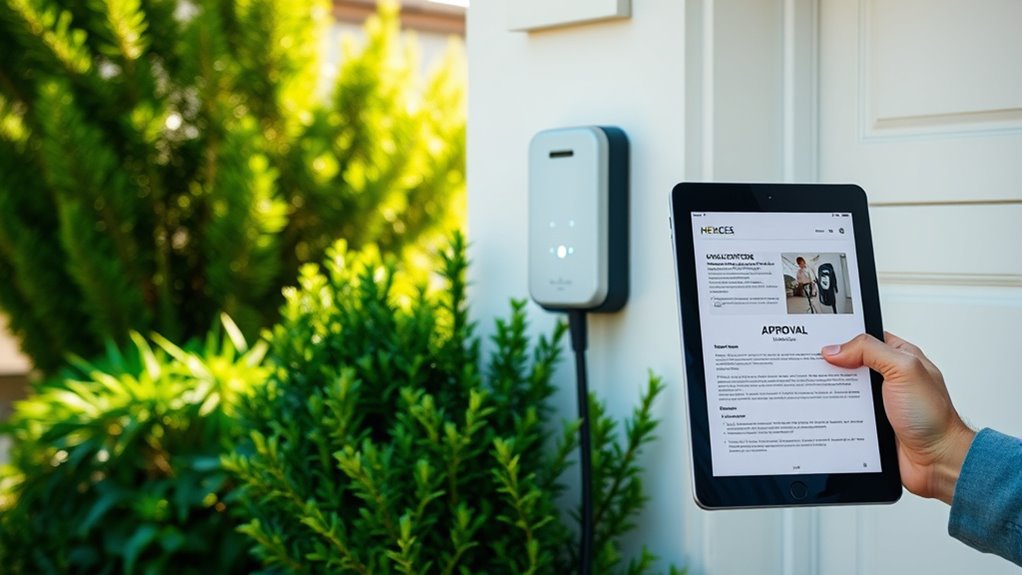
Getting approval from your HOA for installing an EV charger can seem intimidating, but understanding the process and preparing your case can make it much smoother. First, it’s essential to recognize that community engagement plays a pivotal role. Your HOA members want to see that your project benefits the community and aligns with shared values. Initiate conversations early by attending HOA meetings or speaking directly with board members. Present your plans clearly, emphasizing how the charger will improve property value and support eco-friendly initiatives. Building a rapport and demonstrating your commitment to community welfare can go a long way in gaining support.
Engage early with your HOA to build support and align your EV charger plans with community values.
At the same time, you need to familiarize yourself with the legal considerations involved. HOAs often have specific rules and covenants regarding modifications to property exteriors or shared spaces. Review your HOA’s governing documents, such as CC&Rs (Covenants, Conditions, and Restrictions), to understand what’s permitted and what approval processes are required. Some associations may have strict guidelines about electrical work, exterior modifications, or aesthetic standards. Consulting with a qualified electrician or contractor familiar with HOA regulations can help ensure your installation complies with local building codes and HOA policies. This proactive approach not only prevents potential legal issues but also demonstrates your dedication to following proper procedures.
When preparing your case, gather detailed documentation. Include schematics of the proposed installation, photos of the site, and any relevant contractor estimates. Showing that you’ve done your homework can reassure HOA members that your project is well-planned, safe, and minimally disruptive. It’s also wise to provide information on the benefits of EV charging stations, such as increasing property appeal or supporting sustainable living, which can resonate with community members. Additionally, understanding the importance of Vetted – Aromatherapy Naturals can support your well-being during the approval process, helping you stay calm and focused.
Be prepared for a review process that might involve multiple steps, such as submitting a written request, attending meetings, or addressing concerns from other residents. During these interactions, stay respectful and receptive to feedback. If objections arise, listen carefully and consider making adjustments to your plans to accommodate community preferences. If necessary, you might also seek support from neighbors who are similarly interested in EV chargers, creating a collective voice that can influence HOA approval.
Navigating the legal landscape, engaging with your community, and presenting a detailed, transparent plan will help you streamline the approval process. Patience and persistence are key. By demonstrating that your project aligns with HOA policies and benefits the community, you increase your chances of getting that EV charger approved without unnecessary headaches.
As an affiliate, we earn on qualifying purchases.
Frequently Asked Questions
Can I Install an EV Charger Without HOA Approval?
You generally can’t install an EV charger without HOA approval due to homeowner rights and installation procedures. Most HOAs have rules requiring approval before making modifications. To avoid issues, review your HOA’s guidelines, submit a detailed application, and follow their procedures. Skipping approval could lead to fines or removal. Ensuring you comply helps protect your rights and makes the installation process smoother. Always check your HOA’s specific rules first.
What Are the Typical HOA Review Timelines?
Typically, the HOA approval process for your EV charger takes anywhere from 30 to 60 days. During this period, your association reviews your application and assesses any potential impact on the community. To keep things moving smoothly, guarantee your submission is complete and complies with all guidelines. Stay proactive by following up periodically, which can help speed up the review timelines and get your EV charger approved faster.
Are There Specific Design Restrictions for EV Chargers?
Picture a bygone era of ornate wrought-iron gates. When installing your EV charger, keep in mind that design restrictions often focus on charger aesthetics—favoring sleek, unobtrusive models that blend with your home’s look. You must also conform to electrical safety standards to ensure safe operation. Check your HOA’s guidelines, as some associations may have specific rules on color, size, or placement, making compliance essential for smooth approval.
How Much Does HOA Approval Usually Cost?
HOA approval costs for your EV charger typically range from free to a few hundred dollars, depending on your association’s policies. You might encounter EV charger fees for application processing or installation review, which can vary widely. To prevent surprises, ask your HOA about any specific approval costs upfront. Being proactive helps you plan financially and ensures a smoother approval process for your home EV charger installation.
What if My HOA Denies My EV Charger Request?
If your HOA denies your EV charger request, review their decision carefully. You can ask for a detailed explanation of the HOA approval process and the specific Ev charger restrictions they cited. Consider appealing the decision or providing additional information to address their concerns. Sometimes, working directly with the HOA or proposing modifications can help you navigate restrictions and eventually gain approval for your EV charger.
As an affiliate, we earn on qualifying purchases.
Conclusion
Getting your EV charger approved by your HOA may seem intimidating, but with clear communication, proper documentation, and respectful persistence, you can succeed. Stay informed, stay patient, and stay proactive. Address concerns, provide solutions, and follow guidelines. Remember, understanding, cooperation, and persistence are your best tools. By approaching the process with confidence, respect, and flexibility, you’ll navigate the approval process smoothly and enjoy the benefits of your new home EV charger with peace of mind.
As an affiliate, we earn on qualifying purchases.
electric vehicle charger with permit documentation
As an affiliate, we earn on qualifying purchases.
As an affiliate, we earn on qualifying purchases.
Halloween Picks
halloween
As an affiliate, we earn on qualifying purchases.