If your EV breaks down or runs out of charge, stay calm and safely move your vehicle to the side of the road if possible. Use your emergency kit to set warning signals and alert other drivers. Call roadside assistance that specializes in EVs and give clear location details. Make sure your phone is charged for easy communication. Staying prepared and knowing your options will help you handle the situation smoothly — learn more about effective strategies ahead.
Key Takeaways
- Stay calm, evaluate your situation, and safely move the vehicle to the roadside if possible.
- Use warning signals from your emergency kit to alert other drivers.
- Contact EV-specific roadside assistance services with your location and issue details.
- Remain inside the vehicle if it’s safe, and set up warning signals while waiting for help.
- Prevent future emergencies by planning routes with nearby charging stations and maintaining an emergency kit.

Have you ever wondered what happens if your electric vehicle (EV) breaks down unexpectedly? It’s a situation that can be stressful, especially if you’re far from home or unfamiliar with the area. Fortunately, knowing how to handle such moments can make all the difference. The first step is understanding the importance of knowing charging station locations along your route. Before you set out, it’s wise to plan your journey by identifying nearby charging stations. Many apps and GPS services now provide real-time updates on station availability, so you can quickly find a place to recharge if your battery dips too low. Having this information handy means you won’t be caught off guard, and it helps you avoid panic if your vehicle’s charge runs out unexpectedly.
In addition to planning your route, it’s essential to keep an emergency preparedness kit in your EV. This kit should include items like a portable charger or jumper cables compatible with EVs, basic tools, a flashlight, and reflective triangles or cones to alert other drivers. These supplies can be lifesavers if you need to troubleshoot minor issues or signal for help. Carrying a high-visibility vest is also a good idea; it ensures you stay safe if you need to exit your vehicle on a busy road. Being prepared with these essentials can help you remain calm and in control, even when your EV suddenly stops functioning. Additionally, understanding EV roadside assistance services and how they work can significantly reduce stress during emergencies.
If your vehicle unexpectedly breaks down or you run out of charge, stay calm and assess the situation. If possible, move your EV to the side of the road or a safe location, especially if you’re in traffic. Use your emergency preparedness kit to set up warning signals to alert other drivers. Once secured, reach out to roadside assistance services that specialize in EVs. Many roadside assistance programs now include coverage for EV-specific issues, such as charging problems or battery failures. If you know your provider offers such services, give them a call and provide your location, along with details of your situation.
While waiting for help, keep your phone charged and stay inside your vehicle if it’s safe to do so. If you’re near a charging station, and it’s accessible, you might consider walking or driving your EV to that station if the distance isn’t too great. Having a well-stocked emergency kit and being aware of nearby charging station locations greatly enhance your safety and peace of mind. Remember, being prepared isn’t just about avoiding breakdowns; it’s about knowing what steps to take if they happen. That way, you’re ready to handle any roadside emergency confidently.
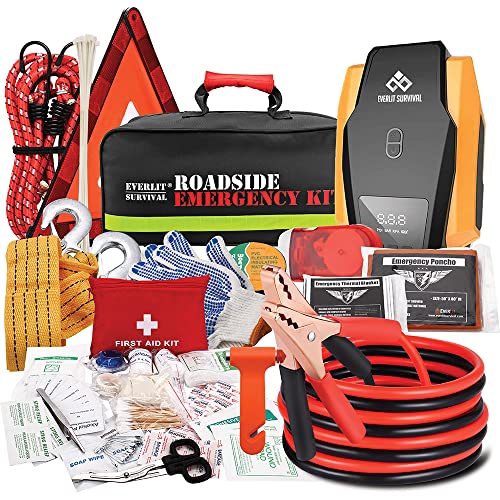
Everlit Survival Car Emergency Kit, Roadside Safety Tool Kit with Gloves,Digital Auto Air Compressor Tire Inflator, First Aid Kit, 12 Feet Jumper Cable, Tow Strap, Flashlight for Women, Men, Teenagers
The Road Guardian- The portable roadside assistance kit is designed and hand picked by a group of experienced…
As an affiliate, we earn on qualifying purchases.
As an affiliate, we earn on qualifying purchases.
Frequently Asked Questions
How Long Does EV Roadside Assistance Typically Take?
Typically, EV roadside assistance takes about 30 minutes to an hour, depending on your location and the availability of EV repair services. When you run out of charge, technicians often bring portable chargers or tow you to the nearest charging station. Factors like traffic and service demand can influence wait times, but assistance usually arrives quickly, ensuring you’re back on the road with minimal delay.
Is EV Roadside Assistance Available Nationwide or Only in Certain Areas?
Think of EV roadside assistance as your trusty compass, guiding you through the charging network maze. It’s available nationwide, covering most areas where electric vehicles roam. Whether you’re near a bustling city or a quiet countryside, help is just a call away for roadside repair or a quick recharge. This broad coverage makes sure you’re never stranded, turning a potential dead end into a smooth, open road ahead.
Are There Additional Charges for Emergency EV Roadside Services?
You might encounter additional fees for emergency EV roadside services, depending on your provider and service coverage. Some companies include basic assistance in your plan, but extra charges could apply for things like towing beyond a certain distance or urgent service calls. It is crucial to review your service coverage details beforehand so you’re aware of any potential additional fees, ensuring you’re prepared if you need roadside help during an emergency.
Can Roadside Assistance Assist With Home Charging Station Issues?
Roadside assistance typically doesn’t cover home charger repair services, but some providers may offer limited support or guidance. If you’re experiencing issues with your home charger, contact a professional repair service specializing in EV chargers. They can diagnose and fix problems efficiently. For urgent assistance, check if your roadside assistance provider offers any remote troubleshooting or can recommend qualified repair technicians to get your home charging station back up and running.
What Should I Do if My Ev’s Battery Warning Light Appears?
Did you know nearly 60% of EV owners experience a battery warning at least once? When that warning light appears, you should immediately prioritize safe stopping. Find a safe spot away from traffic, reduce your energy use, and avoid accelerating. If you’re unsure about the situation, contact roadside assistance for guidance. Staying calm and acting quickly guarantees your safety and prevents further battery issues.

EVDANCE Level 1&2 EV Charger, Electric Vehicle Portable Charger with 25FT Cable, ETL Listed J1772 EVSE for All EVs & PHEVs, 12A 120V/16A 240V(Black, 16A Max | NEMA 5-15&6-20(Standard Home Plug))
Flex Level 1 EV Charger – The EVDANCE Level 1 electric car charger is compatible with J1772 electric…
As an affiliate, we earn on qualifying purchases.
As an affiliate, we earn on qualifying purchases.
Conclusion
So, next time your EV decides to throw a tantrum or run out of juice, just remember—you’ve got roadside assistance. Because nothing says “I’m a responsible driver” like waiting patiently while a tow truck rescues you from your high-tech paperweight. Stay calm, stay charged, and maybe, just maybe, keep a sense of humor handy. After all, in the world of electric cars, a breakdown is just a modern twist on a classic adventure.
Everlit Survival Car Emergency Kit, Roadside Safety Tool Kit with Gloves,Digital Auto Air Compressor Tire Inflator, First Aid Kit, 12 Feet Jumper Cable, Tow Strap, Flashlight for Women, Men, Teenagers
The Road Guardian- The portable roadside assistance kit is designed and hand picked by a group of experienced…
As an affiliate, we earn on qualifying purchases.
As an affiliate, we earn on qualifying purchases.

JKSafety Safety Vest for Men Women Hi Vis Vest with Pockets and Zipper Front Class 2 High Visibility Meet ANSI Standard Yellow Color Extended Orange Strips (BX320-Yellow L)
JKSafety safety vest for men women are a high-quality choice for safety clothing, featuring bright fluorescent colors and…
As an affiliate, we earn on qualifying purchases.
As an affiliate, we earn on qualifying purchases.