
EV batteries typically last between 8 and 15 years, but their lifespan depends on how you charge and care for them. Avoid frequent fast charging and maintain moderate charge levels (20-80%) to extend their life. Protect your vehicle from extreme temperatures and precondition it before driving. As batteries age, watch for reduced range and performance drops. If you want expert tips on keeping your battery healthy for longer, continue exploring the key strategies that make a difference.
Key Takeaways
- EV batteries typically last between 8 to 15 years, with capacity gradually declining over time.
- Proper charging habits, like avoiding rapid charging and maintaining 20-80% charge, extend battery life.
- Signs of degradation include reduced range and longer charging times; capacity below 70-80% may require replacement.
- Parking in cool, shaded areas and preconditioning the vehicle help protect batteries from extreme temperatures.
- Advances like solid-state and lithium-silicon batteries promise longer lifespan and improved durability in future EVs.
Understanding the Typical Lifespan of EV Batteries

Understanding the typical lifespan of EV batteries is essential if you’re considering making the switch to electric vehicles. Most EV batteries last between 8 to 15 years, depending on usage and maintenance. As batteries age, their capacity declines, but many can still be functional past their initial expected life. Proper battery recycling is vital to reduce environmental impact once batteries reach the end of their life cycle. Additionally, the availability of a robust charging infrastructure supports longer battery life by encouraging regular, moderate charging rather than frequent fast charges, which can accelerate wear. Staying informed about advancements in battery recycling and charging infrastructure helps you make smarter choices about your EV’s longevity and environmental footprint. Regular software updates from manufacturers can also optimize battery health and extend overall longevity. Incorporating battery monitoring technology can further help owners track battery health and plan maintenance proactively. Moreover, understanding the importance of battery management systems can significantly influence how well your EV’s battery performs over time.
Factors That Influence Battery Durability
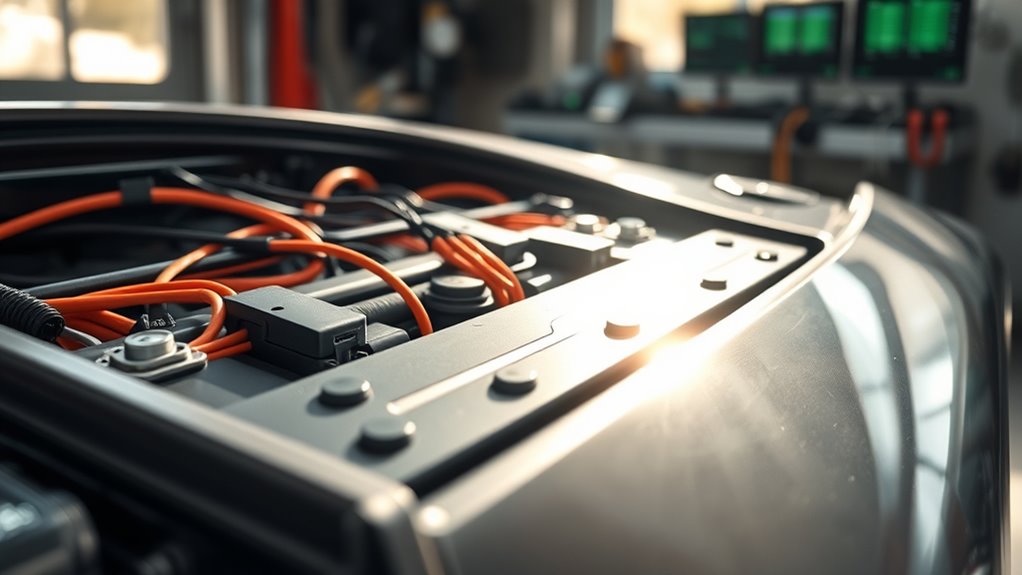
Several key factors directly impact the durability of your EV battery. Your charging habits play a significant role; frequent rapid charging can accelerate battery wear, while slow, steady charging helps preserve battery health. Proper charging practices, such as avoiding full charges to 100% or letting the battery drain completely, also extend lifespan. Additionally, how you handle battery recycling matters—recycling responsibly guarantees batteries are disposed of safely and can promote advances in sustainable technology. Environmental conditions, like extreme heat or cold, can degrade battery components over time, so parking in shaded or climate-controlled areas is beneficial. Regularly monitoring your battery’s water management and ensuring it remains within optimal temperature ranges can also significantly extend its lifespan. Moreover, understanding and managing battery degradation through routine maintenance can help identify potential issues early and prolong overall battery performance. Implementing thermal management systems can further help maintain ideal operating temperatures, thereby preserving battery health. Staying informed about battery maintenance practices can also help owners take proactive steps to extend battery life and ensure reliable performance over time. Additionally, adopting preventive care measures, such as avoiding frequent deep discharges, can support long-term durability. Overall, being mindful of your charging habits and supporting responsible recycling are essential steps to maximize your EV battery’s lifespan and maintain its performance.
Signs of Battery Degradation and When to Consider Replacement

As your EV battery ages, you’ll notice certain signs indicating it’s losing capacity. You might see reduced driving range, longer charging times, or the battery feeling less responsive. If these symptoms persist, it’s a sign that degradation has set in. When considering replacement, check if your vehicle still falls under warranty coverage—many offer protections against significant capacity loss for several years or miles. Once the battery’s performance drops below a certain threshold—often around 70-80% of original capacity—it’s time to evaluate options, including battery recycling. Recycling is essential for sustainability and can sometimes offset replacement costs. Recognizing these signs early helps you make informed decisions, ensuring safety and efficiency while extending your vehicle’s lifespan. Additionally, understanding the total-cost clarity of maintenance and replacement options can help you plan financially for the future. Regular monitoring of your battery’s health can also help you identify battery degradation early, allowing for more timely interventions. Being aware of regulatory policies related to EV batteries can also influence your disposal and recycling choices, ensuring compliance and environmental responsibility. Moreover, staying informed about advancements in battery longevity can help you better predict when replacements might be necessary.
Practical Tips for Maximizing Battery Longevity
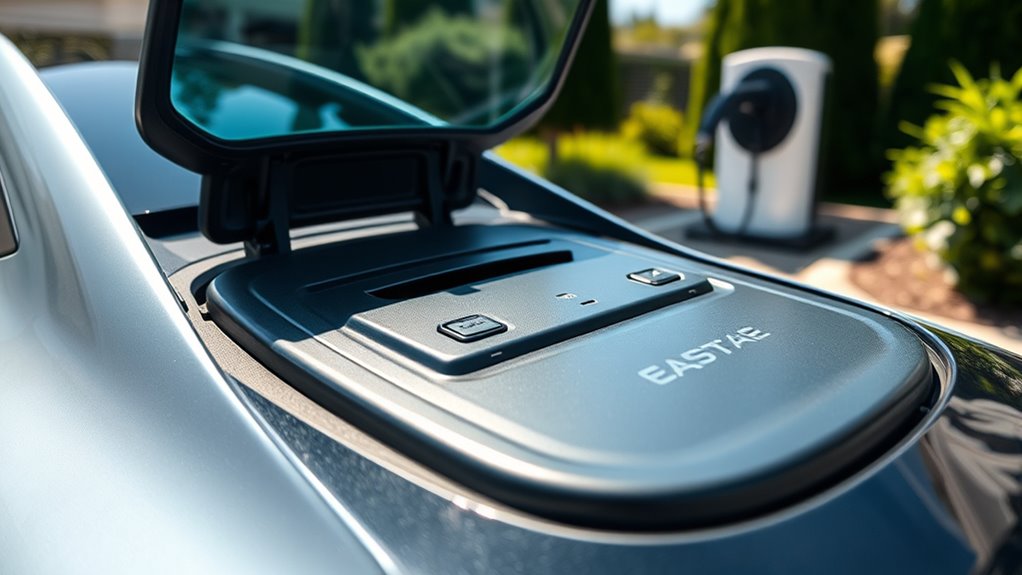
To get the most out of your EV battery, it’s essential to adopt simple, consistent habits that promote longevity. Your charging habits play a big role—avoid frequent fast charging, which can cause more wear over time. Instead, aim for regular, moderate charges, ideally between 20% and 80%. Climate impact also matters; extreme temperatures can accelerate battery degradation. If possible, park your EV in shaded or climate-controlled areas during hot or cold weather. Preconditioning your vehicle before driving helps reduce strain on the battery. Additionally, keeping your battery within recommended charge levels and avoiding deep discharges can extend its lifespan. Battery management strategies are crucial for maintaining optimal performance over time. By making these small adjustments, you’ll help preserve your battery’s health and maximize your EV’s performance over the years.
Advances in Battery Technology and Future Improvements
Recent advancements in battery technology are paving the way for longer-lasting and more efficient EV batteries. Improvements in battery chemistry, such as solid-state and lithium-silicon batteries, promise higher energy density and better durability. These innovations can extend your vehicle’s range and reduce degradation over time. Additionally, the development of faster, more widespread charging infrastructure makes it easier to keep your EV powered without stressing the battery. Future improvements aim to lower costs, enhance safety, and increase overall longevity. As these technologies evolve, you’ll benefit from batteries that last longer and charge more quickly, making EV ownership more convenient and reliable. Staying informed about these advancements helps you maximize your vehicle’s lifespan and get the most out of your EV investment.
Frequently Asked Questions
How Do Climate Conditions Affect EV Battery Lifespan?
Climate effects considerably impact your EV battery lifespan. Extreme heat accelerates battery degradation, causing it to lose capacity faster. Cold temperatures can reduce your battery’s efficiency and range temporarily. To minimize these effects, you should park in shaded or garage areas during hot weather and keep your vehicle warm in cold climates. Regularly maintaining your battery and avoiding extreme temperatures helps extend its overall lifespan, ensuring better performance over time.
Can Fast Charging Damage EV Batteries Over Time?
Fast charging can be like pouring gasoline on a fire, potentially accelerating battery degradation if used excessively. Over time, frequent fast charging may damage your EV battery, reducing its overall lifespan. However, occasional quick charges won’t cause significant harm. To protect your battery, balance fast charging with regular slow charging, and avoid always charging to 100%. Proper care helps keep your EV’s battery healthy and running smoothly for years.
What Is the Environmental Impact of EV Battery Recycling?
Recycling EV batteries considerably reduces environmental impact by recovering valuable battery materials like lithium, cobalt, and nickel. You help prevent hazardous waste and reduce the need for mining through responsible recycling processes. These processes minimize pollution, lower carbon emissions, and conserve natural resources. By supporting battery recycling initiatives, you contribute to a cleaner planet and promote sustainable energy use, making EVs an eco-friendly transportation option.
Are There Warranties Covering Battery Replacement Costs?
Think of your EV’s battery warranty as a safety net woven with care. Yes, it usually covers battery replacement costs if your battery fails prematurely. Warranties typically last for 8 years or around 100,000 miles, giving you peace of mind. Be sure to check your specific warranty terms, as coverage varies by manufacturer. This way, you’re protected from unexpected replacement costs and can drive with confidence.
How Do Different Driving Habits Influence Battery Health?
Your driving style and charging patterns directly impact your EV battery health. Aggressive driving, rapid acceleration, and frequent high-speed driving can accelerate battery degradation. Similarly, inconsistent charging habits, such as frequent fast charging or letting the battery fully discharge often, can reduce battery lifespan. To extend your battery’s life, adopt smooth driving habits and maintain a consistent charging routine, ideally keeping the battery between 20% and 80%.
Conclusion
With proper care, your EV battery can gracefully serve you for many years, quietly supporting your journeys. By staying mindful of best practices and embracing new tech advancements, you’ll help extend its elegant performance. Think of it as nurturing a reliable companion that continues to shine, quietly enriching your driving experience. Ultimately, with a little attention, your EV’s heart will keep beating strongly, guiding you smoothly into many more adventures ahead.