When choosing between a dealer and an independent shop for your EV, consider their experience with electric vehicles and battery diagnostics. Dealers often have specialized training, latest software, and OEM parts, which can guarantee precise repairs and maintenance. Independent shops may offer more flexible scheduling and competitive prices. Both options can keep your EV performing well if they have the right expertise. Keep exploring further to understand how to make the best choice for your car’s longevity.
Key Takeaways
- Dealer technicians have specialized training and access to OEM parts for precise EV repairs.
- Independent shops often offer more flexible scheduling and competitive pricing for EV maintenance.
- Both options require experienced technicians knowledgeable in electrical systems and battery diagnostics.
- Choosing a dealer may ensure access to the latest software updates and advanced diagnostic tools.
- An informed choice depends on your service needs, budget, and preference for specialized or personalized care.

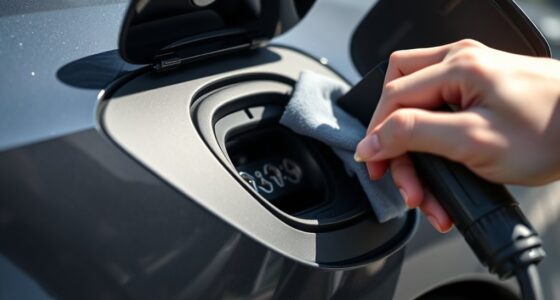
Ever wondered what it takes to keep your electric vehicle running smoothly? Maintaining an EV involves more than just regular driving; it’s about understanding the best practices for caring for your car’s key components. One vital aspect is your charging habits. When it comes to charging station options, you have a variety of choices—from home chargers to public stations. Choosing the right charging stations can influence your vehicle’s battery health over time. For example, fast chargers are convenient but can generate more heat, which may accelerate battery degradation if used excessively. To maximize your battery’s longevity, it’s wise to incorporate battery longevity strategies into your routine, such as avoiding frequent deep discharges and not consistently charging to 100%. Instead, keeping your battery charge between 20% and 80% can greatly extend its lifespan. Whether you rely on home charging or public stations, being mindful of these practices helps preserve your EV’s performance and resale value. Additionally, understanding battery management systems can help you optimize your charging habits and prevent unnecessary wear. When it comes to servicing your EV, deciding between a dealer or an independent shop depends on several factors. Dealer technicians often receive specialized training directly from the manufacturer, which can translate into more precise diagnostics and repairs tailored specifically to your vehicle. They also tend to have access to the latest software updates and OEM parts, ensuring your EV remains in prime condition. However, this can come at a higher cost, and some owners find dealer visits less flexible in scheduling. On the other hand, independent shops might offer more competitive pricing and personalized service. Many of these mechanics now specialize in electric vehicles, gaining the skills needed to handle common EV issues, including battery management and electrical system repairs. They may also be more willing to work with you on maintenance plans that suit your budget. Regardless of where you choose to go, ensure the shop has experience with EVs, especially with tasks like battery diagnostics or software updates, to avoid potential mishaps. Ultimately, maintaining your EV isn’t just about choosing the right service provider; it’s also about adopting good habits. Regularly monitoring your battery health, using appropriate charging options, and following battery longevity strategies can make a big difference. Whether you opt for dealer expertise or an independent mechanic, what matters most is their familiarity with EV systems and your commitment to proper maintenance. With the right care, your electric vehicle can give you years of reliable, efficient driving, all while minimizing long-term costs and maximizing its performance. Taking the time to understand your charging options and service choices empowers you to make informed decisions that keep your EV in top shape for the road ahead.

EVOA EV Battery Health OBD2 Scanner
EV Battery Analysis OBD2 Scanner
As an affiliate, we earn on qualifying purchases.
As an affiliate, we earn on qualifying purchases.
Frequently Asked Questions
How Often Should I Schedule EV Maintenance Appointments?
You should schedule EV maintenance appointments based on your vehicle’s maintenance schedule, typically every 12,000 to 15,000 miles or once a year. Regularly checking the battery, brakes, and tires helps guarantee peak performance. Keep an eye on your owner’s manual for specific appointment frequency recommendations, and don’t hesitate to schedule maintenance if you notice any issues. Staying consistent with your maintenance schedule keeps your electric car running smoothly and safely.
Are Electric Car Warranties Affected by Where I Get Serviced?
You might worry that choosing a non-dealer shop affects your warranty, but it usually doesn’t—if the service meets manufacturer standards. Your warranty impact depends on whether the service location uses genuine parts and follows proper procedures. Keep records of all maintenance, regardless of where you go, to protect your coverage. So, you can confidently choose an independent shop without risking warranty issues, as long as quality standards are maintained.
Can Independent Shops Perform Software Updates on EVS?
Yes, independent shops can perform software updates on EVs, but it depends on their access to software compatibility and the technician’s training. Skilled technicians at independent shops often have the necessary tools and training to handle software updates, but some updates may require manufacturer-specific equipment. Always check if the shop has proper training and compatible software to guarantee your EV gets the right updates without risking your warranty or vehicle performance.
What Are the Cost Differences Between Dealer and Independent Shop Servicing?
You’ll find that service pricing at independent shops is generally lower than at dealerships, offering a cost comparison that benefits your budget. Independent shops often have lower labor rates and may use aftermarket parts, reducing overall costs. However, dealerships might charge more due to specialized expertise and original parts. Consider your car’s warranty and the importance of brand-specific service when choosing between the two, balancing cost and quality.
Do Independent Shops Have the Necessary Tools for EV Repairs?
Independent shops can have the necessary specialized equipment for EV repairs, but it’s not guaranteed. You should verify if they possess the latest tools designed for electric vehicles and confirm their technicians have proper training. Well-equipped shops with trained technicians can effectively service your EV, but some repairs might require dealer-specific tools. Always ask about their equipment and technician credentials before trusting them with your electric car.

ChargePoint HomeFlex Level 2 EV Charger J1772 – Fast Smart Battery Power Charging at Home for Electric Automobile Vehicles
Charge With Confidence: ChargePoint builds reliable, flexible EV charging stations for home, business, and fleets. Get 24/7 support…
As an affiliate, we earn on qualifying purchases.
As an affiliate, we earn on qualifying purchases.
Conclusion
When it comes to servicing your electric car, weighing dealer versus independent shop options depends on your needs and budget. Both can provide quality care, but don’t forget to ask the right questions—like whether they use the latest tech or stick to old-school methods. Remember, even in a world of flying cars and robots, trusting a skilled mechanic still matters. So, choose wisely, and your EV will keep humming along, faster than you can say “Great Scott!”

AIMILER Level 2 Electric Vehicle (EV) Charger(WIFI APP/Plug-play), 32A, 25ft Cable ETL Certified, 220V-240V NEMA 14-50P Plug EVSE w/ J1772 Connector, Portable EV Car Charging Stations for Home Level 2
❤ [Equipped with Nema 14-50 plug 240V, Compatible with 110-120V Nema 5-15p to 14-50r EV Adapter(Not packaged) or…
As an affiliate, we earn on qualifying purchases.
As an affiliate, we earn on qualifying purchases.

EZRED BMK1914 5-Piece Battery Maintenance Kit
BATTERY MAINTENANCE KIT: This kit includes every tool that you'll need to service or change a battery in…
As an affiliate, we earn on qualifying purchases.
As an affiliate, we earn on qualifying purchases.