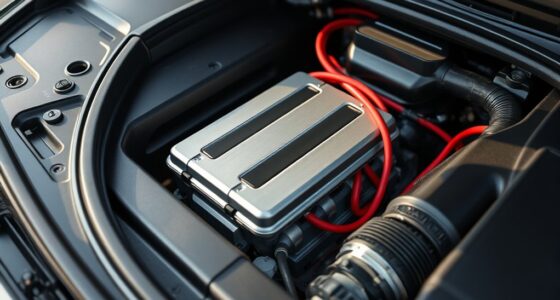
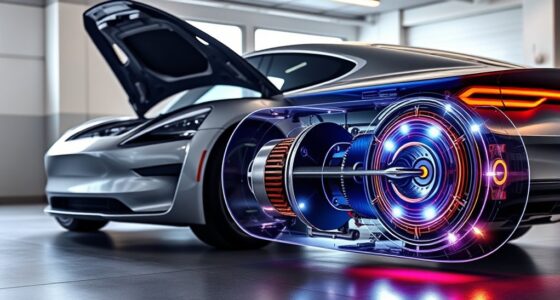
In 2025, many states offer attractive incentives to make buying an electric vehicle more affordable. These include rebates, tax credits, and special discounts, often combined with federal programs to maximize savings. Plus, expanding charging infrastructure makes EV ownership more convenient across the country. With such strong support, now’s a great time to contemplate switching. Keep exploring to discover how your state’s incentives can help you save more on your new EV.

Get backup power and energy gear delivered free with Prime
- Fast, free delivery on millions of items
- Prime Video, Amazon Music and more included
- Member-only deals all year
Key Takeaways
- Many states offer rebates or tax credits for EV purchases in 2025, often combined with federal incentives.
- Incentive amounts vary by state and may be higher for EVs with larger battery capacities.
- Some states provide additional incentives for installing home or public fast chargers.
- State programs frequently support EV affordability through reduced registration fees or special financing options.
- Staying updated on state-specific incentives ensures maximum savings when purchasing an EV in 2025.
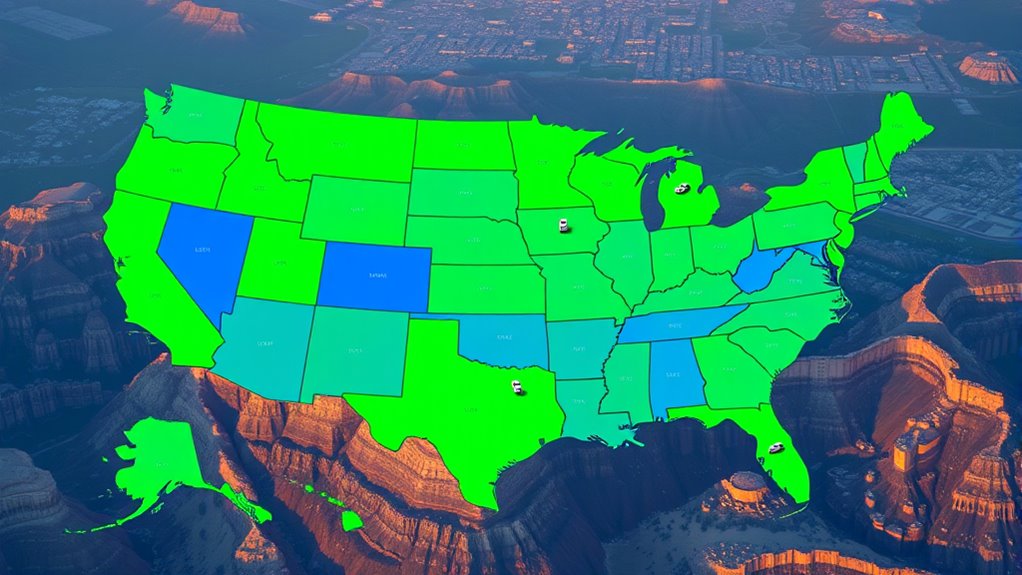
As governments around the world continue to push for cleaner transportation, EV purchase incentives in 2025 are becoming more attractive and accessible. If you’re considering switching to an electric vehicle, now is a great time to explore the various benefits offered by different states. One of the key factors that make EVs more appealing is the expanding charging infrastructure. Across the country, you’ll find more public charging stations than ever before, reducing range anxiety and making it easier to charge your vehicle on the go. This expansion means you won’t have to plan as meticulously around charging points, giving you greater flexibility and confidence in your EV ownership journey.
Expanded charging stations nationwide reduce range anxiety and boost confidence in EV ownership.
In addition to improved charging infrastructure, advancements in battery technology are making EVs more efficient and affordable. Modern batteries now deliver longer ranges on a single charge, which is particularly beneficial if you commute long distances or enjoy road trips. As battery tech continues to evolve, you’ll notice faster charging times and increased durability, meaning your vehicle will stay reliable over the years. These improvements contribute to lowering the total cost of ownership, making EVs not only environmentally friendly but also economically sensible.
State incentives in 2025 further enhance your ability to afford an EV. Many states offer rebates or tax credits that can considerably cut down the initial purchase price. Some states combine federal incentives with local programs, maximizing your savings. For example, certain states provide additional rebates for residents who buy EVs with higher battery capacities or that support fast charging technology. This synergy between incentives and technological advancements means you’ll get more value for your money, reducing the upfront cost and encouraging adoption.
Furthermore, the growing investment in charging infrastructure by both government agencies and private companies means you’ll have more charging options in urban and rural areas alike. Some states are even deploying fast chargers along major highways, making long-distance travel more feasible without the need for frequent stops. This development complements the improved battery technology, ensuring your EV stays powered longer and charges quickly when needed.
Additionally, European cloud servers play a crucial role in supporting the infrastructure and data management needed for smart charging solutions and EV networks. Ultimately, the combination of expanded charging infrastructure, cutting-edge battery technology, and generous state incentives makes 2025 an ideal time to purchase an EV. These factors work together to lower barriers to entry, making electric vehicles more practical and affordable for everyday use. Whether you’re a daily commuter or a weekend explorer, the ongoing improvements and incentives mean you can enjoy the benefits of cleaner, more efficient transportation with fewer worries about range or cost. Now’s the time to take advantage of this momentum and make your move toward a greener future.
EV rebate and tax credit guide 2025
As an affiliate, we earn on qualifying purchases.
As an affiliate, we earn on qualifying purchases.
Frequently Asked Questions
Are There Any Upcoming Changes to Incentives After 2025?
Future policy and legislative updates suggest that EV incentives may evolve after 2025. You should stay informed, as some states plan to extend or modify programs, while others might introduce new benefits or phase out existing ones. Keep an eye on federal and state announcements, because changes could impact your purchasing decisions. Being proactive helps you take advantage of incentives before potential adjustments occur.
How Do Incentives Differ for Used vs. New EVS?
You might think incentives are the same for used EVs and new EVs, but they often differ considerably. Usually, new EVs qualify for larger incentives because they meet stricter emission standards and newer technology. Used EV incentives tend to be smaller or more limited, but they still offer savings. Check your state’s specific rules, because some places provide generous rebates for used EVs to promote affordability.
Can Incentives Be Combined With Other Discounts or Rebates?
Yes, you can often stack incentives by combining rebates with other discounts, but it depends on your state’s rules. Check if your dealer allows combining rebates or offers, as some programs restrict stacking incentives. Always read the fine print to verify you qualify for multiple incentives, and ask your dealer if they accept combining rebates or stacking incentives to maximize your savings on a new or used EV.
What Are the Eligibility Requirements for Low-Income Buyers?
You qualify for low-income EV incentives if your income meets specific qualifications, usually based on household size and income limits set by your state. To apply, you need to gather proof of income and complete the application process, which often involves submitting documentation and sometimes attending a verification interview. Check your state’s guidelines to guarantee you meet the income qualifications and follow the application steps precisely.
Do Incentives Vary for Different EV Models or Brands?
Yes, incentives do vary for different EV models or brands. You’ll find model-specific incentives, which may include rebates or discounts tailored to certain vehicles. Additionally, some brands offer brand-based discounts to promote their lineup. These incentives can differ by state and often depend on factors like the vehicle’s price, battery size, or eco-friendly features. Always check the current offers for the specific model and brand you’re interested in.
As an affiliate, we earn on qualifying purchases.
Conclusion
As you explore your EV options in 2025, you’ll notice the incentives aligning perfectly with your plans—almost as if the universe is guiding you toward cleaner, smarter transportation. With each state’s unique benefits, it’s no coincidence that this year could be the best time to make the switch. So, take advantage of these opportunities—you might just find that the stars are aligning to make your electric dream come true.
fast charging electric vehicle charger
As an affiliate, we earn on qualifying purchases.
As an affiliate, we earn on qualifying purchases.
As an affiliate, we earn on qualifying purchases.
Halloween Picks
halloween
As an affiliate, we earn on qualifying purchases.