The evolution of EV batteries has gone from bulky, low-capacity lead-acid cells to advanced lithium-ion batteries that are lighter, more efficient, and longer-lasting. These improvements have made electric cars more practical, with faster charging and greater range. Looking ahead, solid-state batteries promise even better performance and safety. If you continue exploring, you’ll discover how these innovations are shaping a cleaner, more sustainable transportation future.
Key Takeaways
- Early electric cars used bulky, low-capacity lead-acid batteries limiting range and practicality.
- Lithium-ion batteries revolutionized EVs with higher energy density, lighter weight, and longer lifespan.
- Advances in recycling tech recover valuable materials, reducing environmental impact and supporting sustainability.
- Development of fast and ultra-fast charging infrastructure enables quick, long-distance travel.
- Emerging solid-state batteries promise even higher safety, energy density, and longer lifespan for future EVs.

Have you ever wondered how electric vehicle batteries have advanced so rapidly over the past decade? The evolution of EV batteries is a story of innovation, driven by a need for longer range, faster charging, and better sustainability. Early electric cars relied on bulky, low-capacity lead-acid batteries that limited their practicality. Today, lithium-ion batteries dominate the market, offering considerably higher energy densities, lighter weight, and longer life spans. These improvements have made electric cars more accessible and appealing, but they’ve also raised questions about battery disposal and environmental impact. That’s where battery recycling comes into play. Modern recycling methods are becoming more efficient, allowing you to recover valuable materials like lithium, cobalt, and nickel from used batteries. This process reduces the need for mining new raw materials, minimizes environmental harm, and supports a circular economy. As battery recycling technology advances, it’ll become an integral part of the EV ecosystem, ensuring that your electric vehicle remains a sustainable choice.
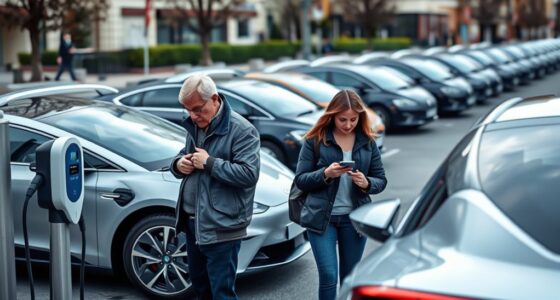
Alongside recycling, charging infrastructure has transformed dramatically. In the early days, charging stations were few and far between, often requiring hours to fully recharge a battery. Now, you find fast chargers and ultra-fast charging networks popping up everywhere, reducing charging times to minutes rather than hours. This expanded infrastructure gives you the freedom to travel long distances without the anxiety of running out of power. It also encourages automakers and governments to invest heavily in building out more stations, making EV ownership more convenient and practical. The development of standardized charging connectors and smart grid technology further enhances your experience, allowing seamless charging across different networks and integrating renewable energy sources. As a result, you’re more confident taking your electric vehicle on road trips or daily commutes, knowing that charging is quick and accessible. Additionally, the ongoing improvements in battery technology, such as high-performance cells, will continue to boost both range and charging speed, further transforming the EV landscape.
These advancements in battery recycling and charging infrastructure are interconnected. They form a sustainable loop that addresses environmental concerns while supporting the growing demand for electric vehicles. You can see the progress in how batteries are made, used, and responsibly recycled, all while enjoying the convenience of fast, reliable charging options. The evolution of EV batteries isn’t just about improving performance; it’s about creating a cleaner, more sustainable future for transportation. As technology continues to evolve, you can expect even more breakthroughs—solid-state batteries, longer-lasting cells, and smarter charging solutions—that will make electric vehicles an even more integral part of your life. The rapid pace of innovation ensures that the future of EV batteries isn’t just promising; it’s inevitable.

NexCyber Level 2 EV Charger(WiFi APP/Plug-Play), 48A Nema 14-50p, 25ft Cable ETL Certified, Home Level 2 EVSE Car Charger w/ J1772 Connector, Electric Vehicle Charging Stations (46)
[Up to 9x Faster Charging Speed]: Provides up to 46 miles/hour charging speed via hardwired connection (48 amp...
As an affiliate, we earn on qualifying purchases.
Frequently Asked Questions
How Do EV Batteries Impact Overall Vehicle Safety?
You should know that EV batteries considerably impact vehicle safety through effective battery thermal management, which prevents overheating and reduces fire risks. Manufacturers follow strict safety regulations to guarantee battery integrity during crashes and regular use. Proper thermal management and adherence to safety standards help protect you from potential hazards, making your EV safer overall. Staying informed about these safety features can give you peace of mind on the road.
What Are the Environmental Effects of Battery Recycling?
Think of battery recycling processes as nature’s phoenix rising from the ashes, transforming waste into new resources. When you recycle EV batteries, you reduce the environmental impact by preventing hazardous materials from leaching into the earth and conserving raw materials. This cycle minimizes pollution, saves energy, and promotes sustainability, making your efforts essential in protecting the planet. Your participation in recycling fuels a greener, cleaner future for all.
How Do Temperature Variations Affect Battery Performance?
Temperature variations can considerably impact your battery performance. When it’s too hot or cold, it disrupts thermal management, causing efficiency drops and potential damage. Maintaining temperature stability is essential, especially through effective thermal management systems, to guarantee your battery functions at its best. Extreme temperatures can reduce capacity, accelerate degradation, and shorten lifespan. By controlling temperature fluctuations, you help preserve battery health and maximize its performance over time.
What Are the Challenges in Scaling up Solid-State Battery Production?
You’ll face manufacturing hurdles like ensuring consistent quality and developing scalable production processes. Material shortages, especially of rare or expensive components, slow down progress and increase costs. Achieving uniformity in solid electrolyte layers and integrating new materials into existing assembly lines are significant challenges. Overcoming these issues requires innovation, investment, and collaboration across industries to make solid-state batteries commercially viable and ready for widespread use.
How Will Battery Technology Influence Future EV Affordability?
Imagine opening a treasure chest—advanced battery tech can make EVs more affordable. You’ll see lower battery costs thanks to manufacturing innovations that streamline production, making solid-state batteries a game-changer. As these tech advances reduce costs, EVs will become accessible to more people, just as a key opens new doors. This progress promises a future where electric driving is not just sustainable but also budget-friendly for everyone.

EVIQO Level 2 EV Charger, 40 Amp 240V, J1772 for Non-Tesla EVs, 25ft Cable, WiFi (2.4GHz) Smart App, Weatherproof Indoor/Outdoor (IP66, NEMA 4), UL & ETL Certified, NEMA 14-50 Plug-in, 9.6kW
PLUG-IN, NO ELECTRICIAN: EVIQO Level 2 EV charger with a max output of 40A on a dedicated 50A...
As an affiliate, we earn on qualifying purchases.
Conclusion
As you watch the horizon of transportation unfold, imagine a future where your EV’s solid-state battery gleams like a jewel, promising longer drives and safer journeys. The journey from clunky beginnings to sleek, powerful energy sources reflects our relentless pursuit of innovation. With each advancement, you’re riding the wave of progress—fueled by hope, driven by technology—and stepping into a cleaner, brighter world where every charge ignites the promise of tomorrow.

ChargePoint HomeFlex Level 2 EV Charger J1772 - Fast Smart Battery Power Charging at Home for Electric Automobile Vehicles - Hardwired for Electric Car
Charge with Confidence: ChargePoint builds reliable, flexible EV charging stations for home, business, and fleets. Get 24/7 support...
As an affiliate, we earn on qualifying purchases.

EVIQO NACS Charger for Tesla 48 Amp 240V Hardwired Level 2 EV Charger - Wall EV Charger Level 2, 25ft Cable, WiFi (2.4 GHz) Smart App - Weatherproof, Outdoor (IP66,NEMA 4) UL, ETL Certified
HARDWIRED, ELECTRICIAN REQUIRED: EVIQO Level 2 EV Charger delivers up to 48A output on a dedicated 60A /...
As an affiliate, we earn on qualifying purchases.