
To maximize savings on your EV and charger, explore federal, state, and local incentives. Claim federal tax credits by filing IRS Form 8936 and keeping proof of purchase. Many states offer rebates or tax benefits, but eligibility varies by income and vehicle type. Act quickly before programs change or funds run out. Investing in quality infrastructure now and staying informed helps guarantee you don’t miss out on these valuable savings opportunities. Keep going to learn more.
Key Takeaways
- Claim federal EV tax credits by filing IRS Form 8936 with vehicle and purchase details before incentives expire.
- Explore state and local rebates, grants, and incentives to maximize savings on your EV and charging infrastructure.
- Ensure your vehicle meets battery capacity and manufacturer requirements, and purchase during active incentive periods.
- Maintain proper documentation, receipts, and certification to validate eligibility and optimize rebate or credit claims.
- Stay informed about program deadlines and policy updates to avoid missing limited-time incentives and maximize long-term savings.
Understanding Federal EV Tax Credits
Understanding federal EV tax credits is essential because they can considerably reduce the cost of purchasing an electric vehicle. These credits encourage you to choose EVs with advanced battery technology, which improves range and efficiency. When you buy a qualifying vehicle, you may be eligible for a tax credit that directly lowers your tax bill. This can make your EV more affordable upfront. Additionally, federal incentives often support the installation of charging stations, making it easier for you to charge at home or in public. Keep in mind that the credit amount varies depending on the vehicle’s battery capacity and the manufacturer’s sales numbers. Staying informed about these details helps you maximize your savings and guarantees you take full advantage of the available federal benefits. Moreover, leveraging European cloud innovation can enhance the security and sustainability of your charging infrastructure, ensuring a greener and safer energy future. Understanding federal incentives can also help you plan your electric vehicle purchase more strategically, ensuring you don’t miss out on potential savings and benefits. Being aware of tax credit eligibility requirements can further optimize your financial planning for EV ownership.
State and Local Incentives for Electric Vehicles

Have you explored the various state and local incentives available for electric vehicles? These incentives can substantially reduce your overall costs, often stacking with federal benefits. Many states offer rebates, tax credits, or reduced registration fees, making EV ownership more affordable. Local programs might include grants for electric vehicle maintenance or free charging stations. Staying updated on EV market trends helps you identify regions with the best incentives, as some areas are more aggressive in promoting EV adoption. These incentives not only lower upfront costs but also support long-term savings, especially when considering ongoing EV maintenance. Additionally, understanding state and local policies can help you better plan your EV purchase and maximize savings. By taking advantage of these programs, you can maximize your savings while contributing to cleaner air and a greener environment.
Eligibility Requirements for Tax Credits and Rebates

To qualify for EV tax credits and rebates, you need to meet specific eligibility requirements. These include income limits, vehicle specifications, and proper documentation of your purchase. Understanding these criteria helps guarantee you maximize your benefits and avoid surprises during the process. Additionally, staying informed about affiliate disclosure policies ensures transparency throughout your purchasing journey. Being aware of wave and wind considerations can also influence your eligibility, especially if you are exploring renewable energy incentives related to charging your electric vehicle. Familiarity with load‑planning tools can further assist you in optimizing your energy setup to qualify for certain incentives.
Income Limits and Thresholds
Income limits and thresholds play a crucial role in determining your eligibility for EV tax credits and rebates. If your income exceeds certain levels, you may no longer qualify for these incentives. The government sets income restrictions to make sure that benefits reach those who need them most, often based on adjusted gross income (AGI). Threshold limits vary by program and household size, affecting eligibility. Here’s a quick overview:
| Household Size | Income Limit | Threshold Limit |
|---|---|---|
| 1 person | $50,000 | $150,000 |
| 2 people | $75,000 | $225,000 |
| 3+ people | $100,000 | $300,000 |
Understanding these income restrictions helps you determine if you qualify for maximum savings on your EV and charger. Additionally, income eligibility criteria are often updated to reflect economic changes, so it’s important to stay informed about current thresholds.
Vehicle and Charger Specs
Are your vehicle and charger specifications aligned with the requirements for EV tax credits and rebates? To qualify, your vehicle must have a minimum battery capacity, often around 7-10 kWh, depending on the program. This guarantees your EV provides sufficient range and efficiency. Additionally, the charging speed matters—fast chargers that support higher kW levels can enhance your charging experience, but they don’t directly affect eligibility. For your charger, it should meet specific standards, such as being a certified Level 2 or faster charger, to qualify for rebates. Make sure your vehicle’s specifications, including battery capacity, and your charger’s capabilities align with the program’s criteria to maximize your chances of claiming these valuable incentives.
Purchase Timing and Documentation
Securing EV tax credits and rebates depends heavily on the timing of your purchase and having the proper documentation. To maximize your savings, plan your buy when eligible credits are active and ensure you obtain all required paperwork, like purchase receipts and vehicle certification forms. During dealer negotiations, confirm that your dealer provides the necessary documentation to verify your eligibility. If you’re financing your EV, keep detailed records of your loan agreement and payment schedule, as some credits require proof of ownership or purchase date. Acting promptly can prevent missing out on incentives, especially if they are phased out or limited. Staying organized and aware of current deadlines will help you claim every available benefit on your tax return.
How to Claim Your EV Tax Credit
To claim your EV tax credit, you’ll need to file your federal tax return and complete the appropriate forms, such as IRS Form 8936. First, gather details about your vehicle’s battery capacity, which helps determine your eligibility and credit amount. You’ll also want to note the charging speed, as some incentives consider faster-charging EVs. When filing, report the purchase date, vehicle identification number (VIN), and purchase price. Keep records like sales receipts and documentation proving the vehicle qualifies under current guidelines. Make sure to accurately complete all sections related to the credit. Once submitted, the IRS reviews your information and, if approved, applies the credit to your tax refund or liability. Double-check all details to ensure you don’t miss out on your savings. Additionally, verifying that your EV meets vetted standards can help ensure your eligibility for all available incentives. Staying informed about government policies and updates can also maximize your savings opportunities. Being aware of the body of regulations surrounding EV rebates can further assist in claiming all benefits you qualify for. For example, some programs may also offer additional perks for vehicles used in specific utility or commercial applications. Moreover, keeping abreast of industry developments can help you identify new opportunities for savings as policies evolve.
Incentives for Charging Equipment and Infrastructure

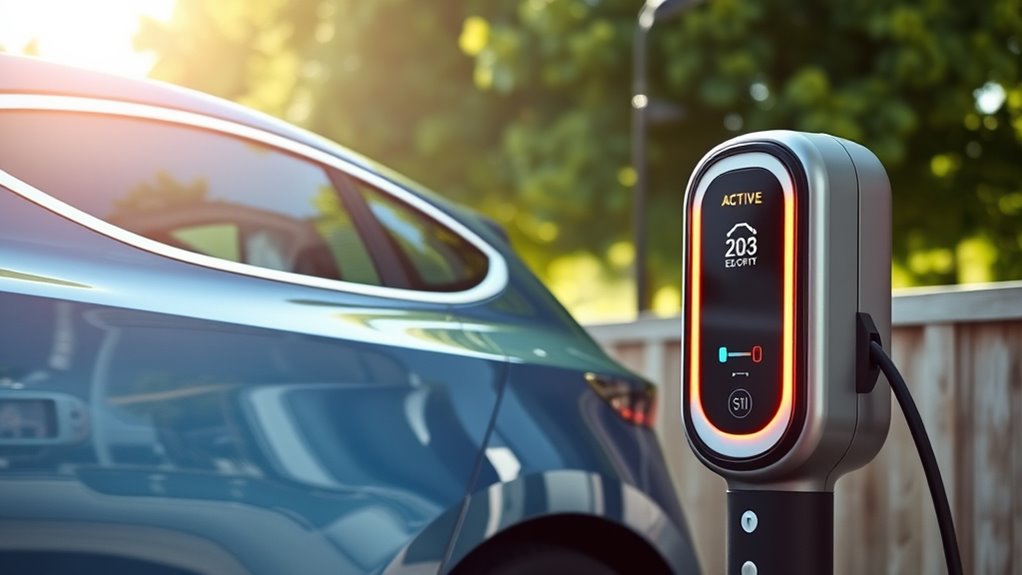
Looking to expand your EV‘s charging capabilities? Incentives for charging equipment and infrastructure can help you save on installing a new charging station or upgrading your existing setup. Many states and local governments offer rebates or tax credits for purchasing and installing home or commercial charging stations. These incentives often cover a portion of the equipment costs and sometimes include infrastructure upgrades needed to support faster or more reliable charging. By taking advantage of these programs, you can enhance your EV experience without breaking the bank. Keep in mind, eligibility and available incentives vary by location, so it’s worth researching what’s offered near you. Investing in quality infrastructure now can make charging more convenient and prepare you for future EV upgrades. Additionally, understanding the different types of Aroma Oil Diffusers can help you select the best option for your needs.
Timing and Limitations of Incentive Programs
While incentives for charging equipment can reduce upfront costs, it’s important to understand that these programs often have specific timeframes and limitations. Many incentives are only available for a limited period or until funding runs out, so timing matters. You’ll want to pay close attention to lease deadlines, as some programs require you to act within certain windows to qualify. Program availability can vary by state or region, and some incentives may be phased out once budget caps are reached. Keep in mind that eligibility criteria and deadlines can change unexpectedly, so staying informed guarantees you don’t miss out on potential savings. Planning ahead helps you maximize benefits before programs end or become unavailable.
Tips for Maximizing Your Savings on EV Purchases

Maximizing your savings on EV purchases requires careful planning and awareness of available incentives. Start by researching current tax credits and rebates to guarantee you claim all eligible benefits. Proper battery maintenance can extend your vehicle’s lifespan and efficiency, reducing long-term costs. Additionally, ask your insurer about discounts for EV owners; many insurers offer lower premiums for electric vehicles, boosting your savings. Consider timing your purchase when incentives are active and avoid neglecting the fine print, such as purchase thresholds or vehicle eligibility. Comparing different models and charging options can also lead to savings. Staying informed about smart energy management solutions can help optimize your home’s energy use and further reduce overall costs. Being aware of battery health and maintenance can significantly impact your vehicle’s performance and lifespan. Understanding heat distribution and other appliance efficiencies can also help you manage your home energy costs more effectively. Regularly monitoring your energy consumption can reveal additional opportunities to save. Additionally, leveraging online tools can assist in tracking and maximizing available incentives. By staying informed and proactive, you can maximize incentives, reduce maintenance costs, and benefit from insurance discounts—all of which make owning an EV more affordable.
Frequently Asked Questions
Can I Combine Multiple EV Incentives on One Vehicle?
Yes, you can often combine multiple EV incentives on one vehicle, but it depends on the programs and their specific rules. For example, you might qualify for charging station rebates and battery recycling discounts alongside federal or state tax credits. Check each program’s eligibility criteria, as some may limit stacking or require separate applications. Doing so maximizes your savings and helps you get the most from your electric vehicle investment.
Do Lease Vehicles Qualify for EV Tax Credits?
Think of EV tax credits as a treasure chest, but not all keys fit every lock. Lease vehicles often don’t qualify for the credit directly due to lease restrictions. However, some programs allow for a tax credit transfer, letting you benefit indirectly. Always check your lease agreement and local incentives to see if you can open savings through transfer options. Stay informed, and you might still find a way to claim those valuable credits.
Are Used EVS Eligible for Any Rebates?
Used EVs may qualify for some rebates, but it depends on your state’s specific programs. You might find secondhand incentives that apply to purchasing a pre-owned electric vehicle, helping you save money. Check local and federal programs, as eligibility varies based on factors like vehicle age and seller type. Doing your research can uncover valuable rebates for used vehicles, making your shift to electric more affordable.
How Do International EV Incentives Compare?
International EV incentives are like a patchwork quilt—each country stitches its own policies differently. You’ll find some nations offering generous manufacturing incentives and tax rebates, often more than what’s available locally. Countries with strong global policies push for greener transport, making incentives more attractive. You should research specific country programs, because these incentives can substantially lower your total ownership costs, especially with international models and charging infrastructure.
What Happens if I Sell My EV Before Claiming the Credit?
If you sell your EV before claiming the tax credit, you typically can’t receive the incentive yourself. However, some states or programs may allow you to transfer the tax incentive to the new owner or apply it as a tax deduction. You’ll need to check specific rules, as eligibility and transfer options vary. Make sure to review local policies to understand whether you can benefit from an incentive transfer or claim a tax deduction before selling.
Conclusion
Just like Icarus soared towards the sun, don’t let these incentives slip through your grasp. By understanding and claiming your EV tax credits and rebates now, you can harness the power of change and accelerate your journey toward a greener future. Remember, these opportunities are finite—seize them before they vanish like a fleeting myth. Embrace the chance to make a difference, one charge at a time, and watch your savings rise like a phoenix from the ashes.