Understanding EV battery types helps you make smarter choices. NMC batteries offer longer range and high performance but are more expensive and require careful management during fast charging. LFP batteries prioritize safety, longevity, and are well-suited for daily urban use, often charging more slowly. Solid-state batteries promise higher energy density and safety but are still emerging. Knowing these differences guarantees you select a vehicle that best fits your driving needs and habits. Keep exploring to learn more.
Key Takeaways
- NMC batteries offer higher energy density for longer range, ideal for high-performance and long-distance driving.
- LFP batteries prioritize safety, durability, and lower cost, making them suitable for daily urban use.
- Solid-state batteries promise higher energy density and faster charging but are still in development for widespread adoption.
- Compatibility with charging infrastructure varies: NMC supports fast charging, while LFP favors steady, slower charging.
- Understanding battery chemistry helps drivers choose based on range needs, safety priorities, and infrastructure availability.

Ever wondered what types of batteries power electric vehicles? The answer lies in understanding the different battery chemistries and how they influence your driving experience. The most common types today are NMC (Nickel Manganese Cobalt), LFP (Lithium Iron Phosphate), and the emerging solid-state batteries. Each has distinct characteristics that impact everything from range and safety to charging infrastructure compatibility.
NMC batteries are known for their high energy density, which means they can store more power in a smaller, lighter package. This makes them popular in many modern EVs because they offer longer driving ranges and better overall performance. However, their battery chemistry involves more expensive and less abundant materials, which can drive up costs. NMC batteries also require careful management of charging infrastructure, as fast charging can accelerate battery degradation if not properly designed. Despite this, many charging stations are optimized for NMC-based EVs, making quick top-ups relatively convenient.
LFP batteries, on the other hand, prioritize safety and longevity. They have a different battery chemistry that results in a more stable and less flammable cell. This makes LFP batteries particularly attractive for drivers who prioritize durability and lower maintenance costs over maximum range. They typically offer fewer miles per charge compared to NMC, but their ability to withstand more charge cycles means they last longer overall. The growing adoption of LFP batteries is also influenced by the expanding charging infrastructure that supports slower, steady charging. While they may not be as compatible with ultra-fast chargers, they are well-suited for daily commuting and urban driving, where charging stations are more prevalent and reliable.
Looking ahead, solid-state batteries represent the next leap in EV technology. They replace the liquid electrolyte used in traditional lithium-ion batteries with a solid material, promising higher energy density, faster charging times, and enhanced safety. If these batteries become commercially viable, they could greatly reduce the need for extensive charging infrastructure upgrades, making EVs more accessible. Additionally, the advancement in battery materials could lead to more environmentally friendly manufacturing processes and resource utilization. However, current solid-state batteries are still in development, and widespread adoption may take years. For now, understanding the differences in battery chemistry helps you make informed decisions based on your driving habits and the charging infrastructure available in your area.
In essence, choosing between NMC, LFP, or solid-state batteries depends on what matters most to you—whether it’s range, safety, longevity, or future-proofing. Each chemistry interacts uniquely with the charging infrastructure, shaping your daily driving experience and long-term ownership costs.

The Handbook of Lithium-Ion Battery Pack Design: Chemistry, Components, Types and Terminology
As an affiliate, we earn on qualifying purchases.
As an affiliate, we earn on qualifying purchases.
Frequently Asked Questions
How Do Battery Types Affect EV Resale Value?
Your EV’s battery type impacts its resale value because it influences battery longevity and reliability. NMC batteries tend to offer higher energy density but may degrade faster, affecting resale market value. LFP batteries generally last longer, boosting resale appeal. Solid-state batteries promise even better longevity, potentially increasing future resale value. When choosing an EV, consider how the battery type may affect long-term resale prospects based on durability and market demand.
Are Some Batteries More Environmentally Friendly Than Others?
Some batteries are more environmentally friendly than others because of factors like battery recycling and raw material sourcing. For example, LFP batteries use fewer scarce materials and are easier to recycle, reducing environmental impact. NMC batteries often rely on more mined materials, which can have a bigger footprint. Solid-state batteries are promising, but their eco-profile depends on advances in recycling and sourcing. Choosing batteries with sustainable recycling and sourcing methods helps lower your environmental impact.
What Are the Safety Concerns With Each Battery Type?
Think of EV batteries like delicate glassware—each has its own safety quirks. NMC batteries can pose a higher fire risk if damaged, due to thermal stability issues. LFP batteries are generally safer, with less risk of thermal runaway, but still require proper handling. Solid-state batteries promise improved safety, thanks to their better thermal stability, but they’re still emerging. Always handle your EV battery with care to avoid safety hazards.
Can Battery Type Influence EV Charging Speed?
Yes, your EV’s battery type can influence charging speed. For example, LFP batteries often support faster charging and better fast charging compatibility, but may require specific charging infrastructure. NMC batteries typically charge a bit slower and need compatible charging stations. Solid-state batteries promise faster charging in the future, but current infrastructure may not fully support them yet. Always check your vehicle’s compatibility with different charging speeds and infrastructure.
How Do Battery Types Impact Long-Term Maintenance Costs?
Battery types considerably impact your long-term maintenance costs. LFP batteries generally offer greater battery longevity, reducing the frequency of replacements and maintenance expenses. NMC batteries tend to have shorter lifespans but often come with longer warranty coverage, which can offset future costs. Solid-state batteries promise even better durability, potentially lowering maintenance over time. Choosing the right battery type depends on your driving habits and long-term financial planning, balancing initial costs and future savings.
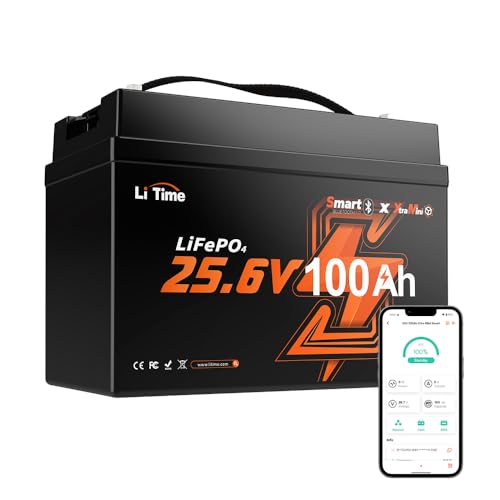
LiTime 24V 100Ah Mini LiFePO4 Lithium Battery for Trolling Motors, Marine
- Compact Size: Fits BCI Group 31 trays, compact design
- High Power Compatibility: Suitable for 70–100 lb trolling motors
- Real-Time Monitoring: Bluetooth 5.0 app for live battery data
As an affiliate, we earn on qualifying purchases.
As an affiliate, we earn on qualifying purchases.
Conclusion
Choosing the right EV battery is like planting a tree—you want it to grow strong and last for years. Whether it’s NMC, LFP, or solid-state, understanding their differences helps you make an informed decision. Remember, “A wise man plants a tree under which he may sit in the shade,” so pick the battery that best suits your driving needs today, and enjoy a smoother, more reliable ride tomorrow.

Solid State Batteries (SSBs) For EVs: A Comprehensive Look
As an affiliate, we earn on qualifying purchases.
As an affiliate, we earn on qualifying purchases.

Dzytnsy 200W Car Fast Charging Station,6 Ports, Compatible with MacBook pro/Air/M5 M4 M3 M2 M1/Dell/Lenovo/HP,for iPhone 17/16/15 Series,Samsung Galaxy S26/S25 Ultra/S24 Series and More
- High Power 200W for Multiple Devices: Supports 6 devices simultaneously with 200W power
- 3 USB-C Ports with Fast Charging: Includes 100W and 25W USB-C ports
- 3 USB-A Ports for Versatile Charging: Features 18W and 15W USB-A ports
As an affiliate, we earn on qualifying purchases.
As an affiliate, we earn on qualifying purchases.