
Many worries about electric vehicles in 2025 have been addressed through major technological advances and expanding charging networks. Modern EV batteries last over a decade with proper care, and fast chargers can restore 80% capacity in about 20-30 minutes. Range concerns are outdated, as many models now exceed 250 miles, and costs have dropped considerably. If you want to fully understand how these myths are being shattered, there’s plenty more to discover.

Get backup power and energy gear delivered free with Prime
- Fast, free delivery on millions of items
- Prime Video, Amazon Music and more included
- Member-only deals all year
Key Takeaways
- Modern EV batteries are designed to last over a decade, reducing fears of frequent replacements.
- Fast charging now delivers 80% capacity in 20-30 minutes, making long trips more convenient.
- EV range has doubled, easily exceeding 250 miles, meeting most daily driving needs.
- Improved manufacturing and battery tech have significantly lowered costs and enhanced reliability.
- As the grid grees greener, EVs’ environmental impact continues to decrease, debunking sustainability myths.
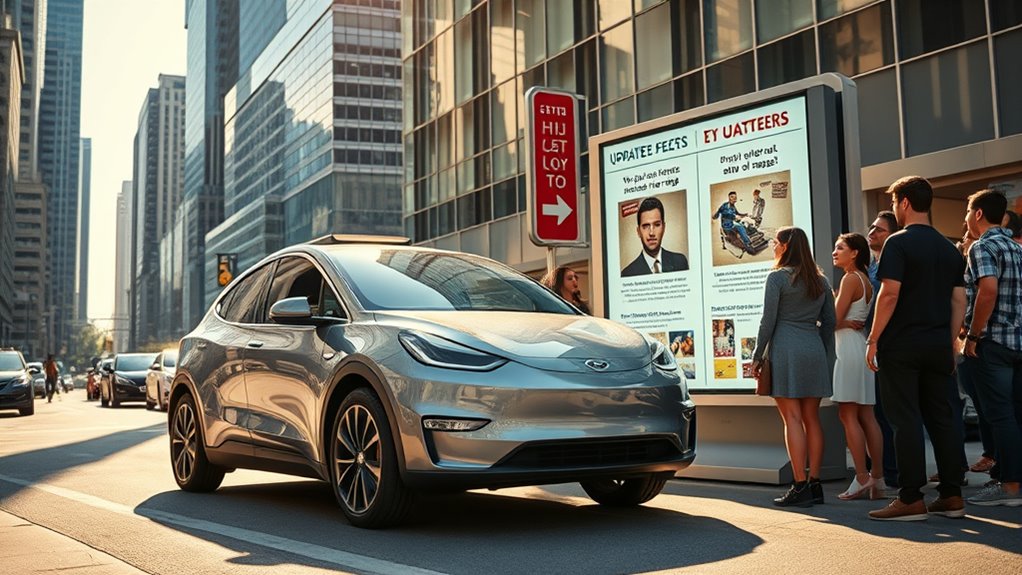
Are electric vehicles (EVs) truly the eco-friendly and cost-effective alternative they’re made out to be? Many skeptics still cling to outdated fears, but the reality in 2025 tells a different story. When you look at battery longevity, modern EV batteries are designed to last well over a decade with proper care. Advances in battery technology mean that longevity isn’t the concern it once was; most manufacturers now offer warranties of up to 8 years or more, covering most potential issues. This means you won’t need to replace your battery frequently, easing worries about long-term costs. Plus, the development of solid-state batteries promises even more durability and improved safety, *additionally* extending the lifespan of your vehicle’s power source.
Modern EV batteries last over a decade with warranties of 8+ years, reducing long-term costs and enhancing durability.
Charging infrastructure has also seen rapid improvements. Gone are the days when EV owners had to hunt for a rare charging station or wait hours to juice up. Today, charging networks are expanding at an unprecedented pace, making long trips more convenient and accessible. Fast chargers can now deliver 80% of a battery’s capacity in just 20-30 minutes, comparable to a quick stop at a gas station. Public charging stations are increasingly integrated into urban areas, highways, and even workplaces, reducing range anxiety *considerably*. You can plan your trips with confidence, knowing that reliable charging options are within reach. Home charging setups have also become more affordable and easier to install, meaning you can start each day with a full charge without leaving your driveway.
Many of the old fears about EVs—such as limited range or the high cost of replacement batteries—are being addressed with current innovations. The average range of EVs has doubled over the past few years, with many models comfortably exceeding 250 miles on a single charge, enough for most daily needs. The cost of batteries has dropped dramatically, making EVs more affordable than ever. *Moreover*, the environmental benefits remain clear: EVs produce zero tailpipe emissions, and as the grid becomes greener, their overall carbon footprint continues to shrink. Additionally, the improvements in battery technology and manufacturing have significantly enhanced the color accuracy and overall image quality of EV displays and dashboard screens, making driving an even more engaging experience.
In essence, the myths about EVs being unreliable or impractical no longer hold water. Battery longevity is now a strength, and charging infrastructure is robust and continuously improving. This means your investment in an EV isn’t just about embracing cutting-edge technology but also about contributing to a sustainable future, all while enjoying the practicality and savings these vehicles now offer.
Products Worth Considering

DEWALT 20V MAX 1/4-Inch Impact Driver Kit with Battery and Charger (DCF787D1)

Autel Home EV Charger up to 50A J1772 Hardwired Level 2 Charger with 25 ft Cable

NOCO Boost GBX75 2500A UltraSafe Jump Starter, 12V Lithium Battery Booster
As an affiliate, we earn on qualifying purchases.
Frequently Asked Questions
How Do EVS Compare to Hybrids in Environmental Impact?
You’ll find that EVs generally have a lower environmental impact than hybrids, mainly because they produce zero tailpipe emissions. While hybrids emit less than traditional gas cars, their battery recycling process still adds to their footprint. EVs, on the other hand, benefit from advancements in battery recycling, making their overall impact smaller over time. So, if reducing emissions is your goal, EVs are a better choice than hybrids.
Are EV Batteries Recyclable or Biodegradable?
You’ll be glad to know that EV batteries are recyclable, with over 90% of materials like lithium, cobalt, and nickel recovered through battery recycling processes. While current batteries aren’t biodegradable, researchers are exploring biodegradable materials to reduce environmental impact. This means that in the future, EV batteries may become more eco-friendly, helping you drive cleaner while supporting sustainable tech advancements.
What Are the Real Costs of EV Ownership Today?
You’ll find that the real costs of EV ownership today include lower fueling expenses thanks to charging infrastructure, which reduces your fuel costs. However, insurance premiums might be higher due to the vehicle’s value and repair costs. Maintenance costs are generally lower, but consider the initial purchase price. Overall, as charging options expand, owning an EV becomes more affordable, making it a cost-effective choice in the long run.
How Do EVS Perform in Extreme Weather Conditions?
You might worry about EVs in extreme weather, but modern models handle cold climates well. Cold temperatures can reduce battery efficiency temporarily, but advances in battery technology and insulation help mitigate this. In harsh conditions, you’ll notice some range loss, but many EVs still perform reliably. Proper preparation, like pre-conditioning the cabin and keeping the battery warm, guarantees your vehicle stays effective even in extreme weather.
Can EV Technology Keep Pace With Future Transportation Needs?
Yes, EV technology is poised to keep pace with future transportation needs. Advances in battery longevity mean your vehicle will last longer and perform better over time, reducing worries about replacement. Additionally, expanding charging infrastructure makes recharging more convenient, supporting increased adoption. As innovation continues, EVs will become even more efficient, reliable, and capable of meeting the evolving demands of transportation without compromise.
Conclusion
As you see, many EV myths are just old fears in disguise. Today, electric vehicles are cleaner, cheaper, and more reliable than ever. Did you know that in 2025, over 15% of all new cars sold worldwide are EVs? That’s a huge leap from just a few years ago. So, next time someone spreads an EV myth, you’ll know the facts. Embrace the change—electric cars are here to stay, and they’re better than you think.