The time to charge your electric car depends on the charger type, battery size, and other factors. Level 1 chargers are slow, taking overnight, while Level 2 chargers can add 25-30 miles of range per hour. Fast chargers can recharge 80% of your battery in about 30 minutes. Larger batteries take longer to fill, so understanding your car’s specs helps plan better. Keep exploring to find out how to optimize your charging experience.
Key Takeaways
- Charging times depend on the charger type: Level 1 (several hours), Level 2 (a few hours), and DC fast chargers (around 30 minutes).
- Battery size influences charging duration; larger batteries take longer to recharge.
- Proper battery maintenance and avoiding deep discharges can speed up charging times.
- Charging speed varies with battery level; charging from 20% to 80% is faster than full charges.
- Using high-speed chargers and planning routes around fast charging stations reduces total charging time.

AIMILER Level 2 Electric Vehicle (EV) Charger(WiFi APP/Plug-Play), 40A, 25ft Cable ETL Certified, 220V-240V NEMA 14-50P Plug EVSE w/ J1772 Connector, Portable EV Car Charging Stations (Jet)
❤ [Equipped with Nema 14-50 plug, Compatible with 110-120V Nema 5-15p to 14-50r EV Adapter(Not packaged) or the…
As an affiliate, we earn on qualifying purchases.
As an affiliate, we earn on qualifying purchases.
Types of Electric Vehicle Chargers

When it comes to charging your electric vehicle, understanding the different types of chargers is essential. There are three main types: Level 1, Level 2, and DC fast chargers. Level 1 chargers use a standard household outlet and are slow, often taking overnight to fully charge. Level 2 chargers, found at many public stations, charge faster but still require several hours. DC fast chargers deliver high power, allowing you to recharge in 30 minutes or less. Keep in mind, frequent use of fast chargers can accelerate battery degradation over time, impacting long-term battery health. Additionally, charging station costs vary: Level 1 is usually free or inexpensive, while fast chargers can carry higher fees. Choosing the right charger depends on your driving habits and budget. Proper charger selection is also important to optimize your vehicle’s battery longevity, as well as to reduce charging times and improve overall efficiency. Selecting the appropriate charging method can help maintain your battery’s performance and lifespan.
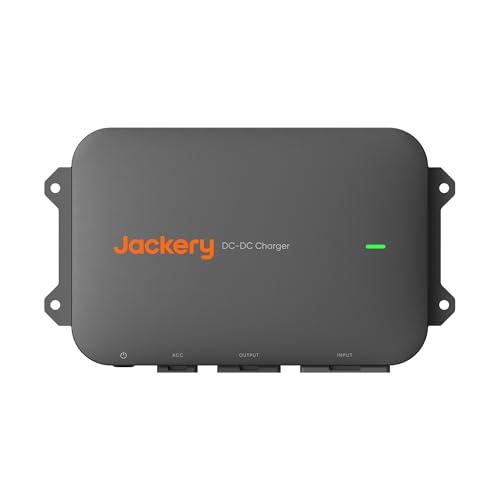
Jackery DC-DC Charger, 600W Alternator Charger, Fast Charging for Portable Power Stations, 6X Faster Than Cigarette Chargers, for Road Trips, RVs
Faster & Safer Charging: Delivers 600W optimal power for high-speed performance while protecting your car’s circuits, generator, and…
As an affiliate, we earn on qualifying purchases.
As an affiliate, we earn on qualifying purchases.
Factors Affecting Charging Speeds

Several factors influence how quickly your electric vehicle charges, regardless of the type of charger you use. Your battery’s health, for example, plays a significant role—poor battery maintenance can slow charging speeds. Charging etiquette also matters; using chargers appropriately and avoiding frequent interruptions help optimize speed for everyone. Additionally, the state of your battery’s current charge impacts how fast it charges; charging from a low level typically takes longer. Proper air purifier maintenance can also indirectly affect the overall efficiency of your vehicle’s charging environment if used nearby. Regularly monitoring your battery chemistry and understanding how it affects charging can further improve your charging times. In fact, European cloud servers are increasingly supporting data management for electric vehicle infrastructure, which can enhance charging network efficiency. Moreover, advancements in battery technology are continuously improving overall charging times and performance. Maintaining optimal battery health is essential, as degraded batteries can significantly slow down the charging process. Here are three key factors:
- Battery maintenance—well-maintained batteries charge more efficiently.
- Charging etiquette—proper use ensures consistent charging speeds.
- Current battery level—lower charge levels can extend charging time.
Understanding these elements helps you maximize charging efficiency and reduce overall wait times.

ChargePoint HomeFlex Level 2 EV Charger J1772 – Fast Smart Battery Power Charging at Home for Electric Automobile Vehicles – Hardwired for Electric Car
Charge with Confidence: ChargePoint builds reliable, flexible EV charging stations for home, business, and fleets. Get 24/7 support…
As an affiliate, we earn on qualifying purchases.
As an affiliate, we earn on qualifying purchases.
Charging Times for Different Battery Sizes

The size of your electric vehicle’s battery directly impacts how long it takes to charge. Larger battery capacity means more energy storage, which typically results in longer charging durations. If your car has a smaller battery, you’ll notice quicker charging times because there’s less capacity to replenish. Conversely, vehicles with bigger batteries, like those with 75 kWh or more, require more time to fully charge, especially with standard chargers. This relationship between battery capacity and charging duration holds true across all charging levels, so expect a proportional increase in charging time as battery size grows. Understanding this helps you plan your charging sessions better, especially if you frequently use a high-capacity battery. Additionally, charging times for different battery sizes can vary depending on the charging method used and the vehicle’s onboard charging capabilities. Being aware of battery management systems also plays a role in optimizing charging efficiency and duration. Properly managing your vehicle’s thermal regulation systems can further influence charging speed and overall battery health.

ELEGRP Level 1/2 EV Charger, 16 Amp, Portable J1772 Charger, 25FT Cable, NEMA 6-20 & 5-15 Adapter, Electric Car Charger 110V-240V for BEVs PHEVs, PBE & LRC Technology
【Reliable Safety with PBE & LRC Tech】Powered by ELEGRP's exclusive PBE technology, this level 2 EV charger provides…
As an affiliate, we earn on qualifying purchases.
As an affiliate, we earn on qualifying purchases.
Speed of Charging Stations: Level 1, Level 2, and Fast Charging

Choosing the right charging station will considerably influence how quickly your electric vehicle gains its range. The charging infrastructure varies with three main types: Level 1, Level 2, and fast chargers. Level 1 uses standard household outlets, providing the slowest charge—often 4-5 miles of range per hour. Level 2 chargers are more powerful, typically adding 25-30 miles of range per hour, making them popular for home and public stations. Fast chargers, on the other hand, can deliver up to 80% charge in 30 minutes, thanks to advanced battery technology. Your choice depends on your driving needs and available infrastructure. Consider these points:
- Level 1 is best for overnight charging at home.
- Level 2 balances speed and accessibility.
- Fast charging is ideal for quick top-ups during long trips.
- Free Floating can influence how and where you choose to charge your vehicle.
Tips to Minimize Charging Time

To minimize your charging time, plan ahead by charging during off-peak hours or when your vehicle’s battery is low. Proper battery maintenance, like avoiding frequent deep discharges, helps keep your battery healthy and speeds up charging. Additionally, knowing the best charging station locations ensures you can access faster chargers when needed, reducing overall downtime. Use apps or navigation tools to find nearby fast-charging stations and map out your routes accordingly. Avoid unnecessary charging stops by maintaining your battery at ideal levels—around 20-80%. Keeping your battery healthy and strategically choosing charging stations can substantially cut your charging time, making your electric vehicle experience more convenient and efficient. Charging station location strategies ensure you have quick access to high-speed chargers when necessary. Additionally, understanding battery management and its implications can help you select the most efficient charging options for your needs. Being aware of charging infrastructure developments can further improve your charging experience by allowing you to plan routes that include faster, more reliable chargers.
Frequently Asked Questions
Can I Charge My Electric Car Using a Standard Household Outlet?
Yes, you can charge your electric car using household outlets, but charging compatibility depends on your car and outlet. Most standard household outlets provide 120V, which charges your vehicle slowly. To speed up charging, consider installing a dedicated Level 2 charger at home. Always check your car’s charging specifications and verify your household outlets are suitable and safe for EV charging. This way, you can conveniently power up overnight.
How Does Ambient Temperature Influence Charging Speed?
Think of ambient temperature as the weather’s mood affecting your charging journey. When it’s too cold or hot, your car’s charging efficiency drops, like a runner hitting a wall. Cold temperatures slow down chemical reactions inside the battery, extending charging times. Hot weather can cause overheating, reducing efficiency too. So, your ambient temperature directly influences how fast your electric car charges, making mild conditions ideal for quicker, smoother charging sessions.
Are There Any Health Risks Associated With Fast Charging?
Fast charging can pose some health risks, mainly due to electromagnetic fields (EMFs) emitted during the process. While current research shows these fields are generally safe at typical exposure levels, prolonged or high-intensity exposure might contribute to battery degradation over time. You should avoid staying near charging stations for extended periods and follow safety guidelines to minimize any potential health risks related to EMFs and battery health.
How Long Does It Take to Fully Charge an Electric Car From Empty?
Charging your electric car from empty can feel like waiting for a lifetime, but it actually depends on the charging station types and your vehicle’s battery capacity. With a Level 1 charger, it might take over 24 hours, while a Level 3 fast charger can do it in about 30 minutes to a few hours. Your car’s battery size and charger type determine how long you’ll spend waiting to be fully charged.
What Is the Average Lifespan of an EV Battery After Multiple Charges?
Your EV battery typically lasts around 8 to 15 years, depending on usage and care. As you go through charging cycles, battery degradation gradually occurs, reducing its capacity over time. Most batteries can endure between 1,000 to 2,000 charging cycles before significant performance drops. Proper maintenance, avoiding extreme temperatures, and moderate charging habits help extend your battery’s lifespan, ensuring you get the most out of your electric vehicle.
Conclusion
Charging your electric car is quicker than you might think. Did you know that fast chargers can deliver up to 80% charge in just 30 minutes? By choosing the right charger and understanding factors like battery size, you can minimize your wait time and keep your trips smooth. With advancements in charging technology, you’ll spend less time plugged in and more time on the road. It’s a future where charging is almost as quick as fueling up a gas car.