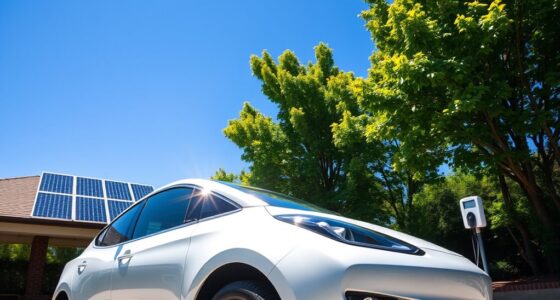

Yes, your home EV charger needs regular maintenance to stay safe and efficient. You should inspect the charging cable for damage, check outlets for signs of wear or looseness, and keep the area clean of dust and debris. Testing the charger’s functionality periodically helps catch issues early. Proper care extends the life of your equipment and guarantees safe vehicle charging. Keep going to discover simple tips to keep your station in top shape.

Get backup power and energy gear delivered free — and shop member deals
- Fast, free delivery on millions of items
- Access to Prime Big Deal Days deals on October 6–7
- Prime Video, Amazon Music and more included
Key Takeaways
- Regular inspections prevent safety hazards and ensure reliable charging performance.
- Check and replace damaged cables or connectors immediately to avoid electrical issues.
- Keep the charging area clean and dry to maintain optimal contact and prevent debris interference.
- Test the charger periodically for proper operation and troubleshoot any unusual behavior promptly.
- Ensure power outlets are in good condition, properly rated, and securely connected for safe, efficient charging.
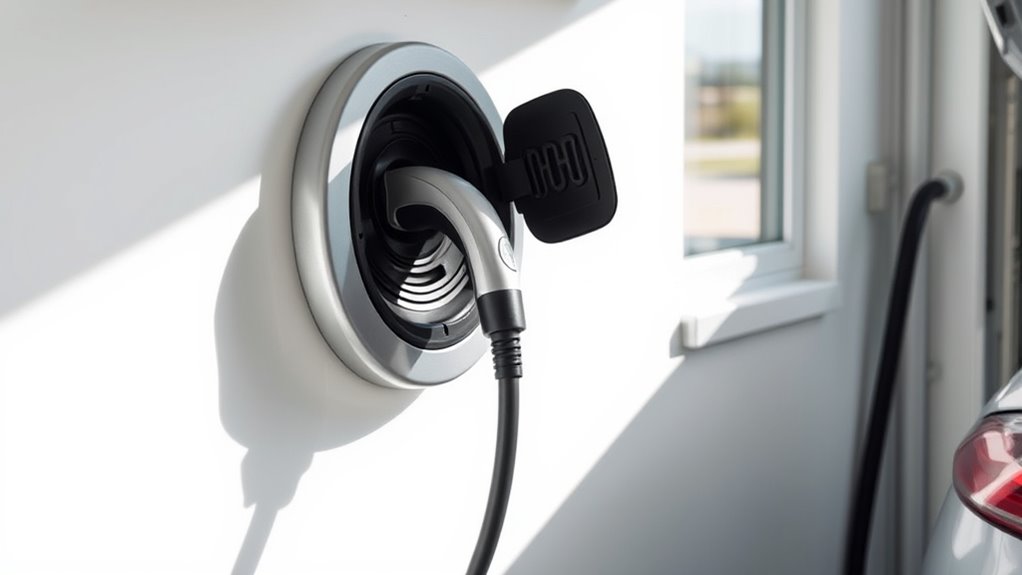
Maintaining your home EV charger is crucial to guarantee safe, reliable, and efficient charging for your electric vehicle. Your charger’s performance depends heavily on regular upkeep, especially when it comes to the charging cable and power outlet. Over time, dirt, dust, and wear can compromise these components, leading to potential safety hazards or diminished charging speed. To keep your station in top shape, start by inspecting the charging cable regularly. Look for signs of fraying, cracks, or damaged connectors, as these issues can cause electrical shorts or failure to connect properly. If you notice any damage, replace the cable immediately to prevent safety risks and ensure seamless charging.
Regularly inspect your home EV charger’s cable for damage to ensure safe, reliable, and efficient vehicle charging.
The power outlet where your charger is plugged in also requires attention. Many home chargers are connected to standard household outlets, which may not be designed for frequent, high-current use. Check the outlet for signs of damage, discoloration, or loose connections. A loose outlet can cause sparks or overheating, which may lead to fire hazards. If you spot any issues, consult an electrician to replace or upgrade the outlet to a properly rated, grounded circuit. This step not only enhances safety but also ensures that your charger receives a stable power supply, which is critical for charging efficiency.
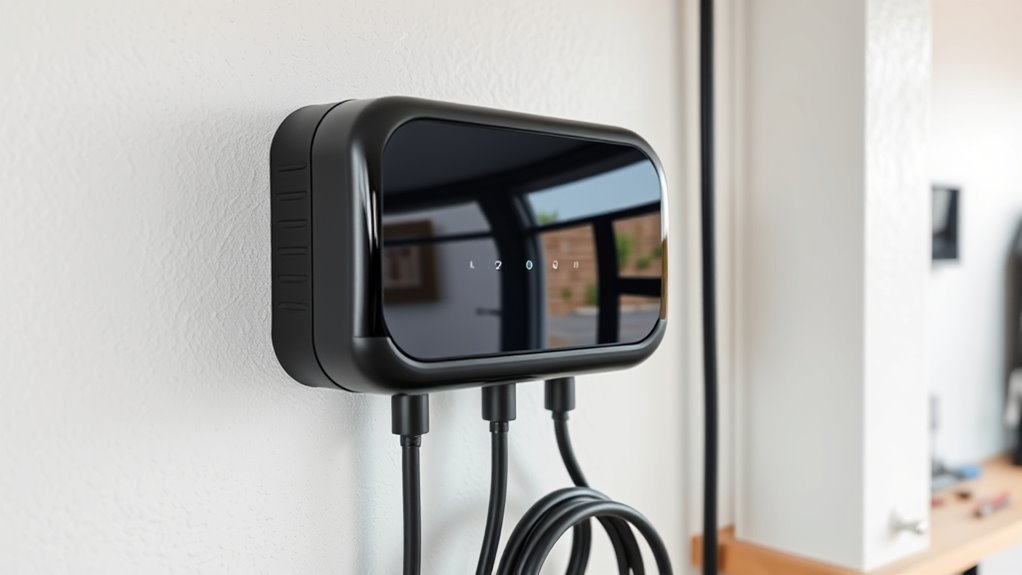
Beyond visual inspections, keeping the charging area clean is essential. Dust and debris can accumulate around the power outlet and on the charging cable’s connectors, potentially interfering with proper electrical contact. Use a dry cloth to wipe down the connectors and the surrounding area periodically. Avoid using harsh chemicals or water near electrical components, as moisture can cause corrosion or short circuits. If your charger has a locking mechanism or a cover for the charging port, ensure it’s functioning correctly and securely in place before each use. Regularly load calculations and safety checks can help prevent unexpected issues and prolong the lifespan of your charger.
It’s also wise to periodically test your charger’s functionality. Plug it in and check if it initiates without issues. If you notice any unusual sounds, slow charging, or error messages, troubleshoot promptly. Sometimes, resetting the charger or updating its firmware (if applicable) can resolve minor glitches. Remember, your home EV charger is an investment in your vehicle’s longevity and your safety, so dedicating time to its maintenance pays off in the long run.
home EV charger cable replacement
As an affiliate, we earn on qualifying purchases.
As an affiliate, we earn on qualifying purchases.
Frequently Asked Questions
How Long Do Home EV Chargers Typically Last?
Your home EV charger typically lasts between 8 to 12 years, depending on usage and environmental conditions. To maximize its lifespan, you should perform regular maintenance, like inspecting connections and cleaning ports. The maintenance frequency varies but generally involves checking once or twice a year. Proper upkeep guarantees your charger stays reliable, safe, and efficient, helping you get the most out of your investment over its expected charger lifespan.
Are There Specific Weather Conditions That Damage Chargers?
Weather-related damage can affect your home EV charger, especially during extreme conditions like heavy rain, snow, or intense heat. Environmental impacts such as moisture, temperature fluctuations, or direct sunlight can cause wear over time. To protect your charger, make sure it’s properly installed in a sheltered spot, and consider weatherproofing options. Regular inspections help catch potential issues early, keeping your charging station safe and functioning as effectively as possible despite weather challenges.
Can I Install a New Charger Myself?
Like assembling a puzzle, DIY installation of your new charger is possible but requires caution. You can install it yourself, but safety considerations are vital. Make sure you understand electrical wiring and local codes, or consult an electrician. Rushing or neglecting safety can lead to hazards. If you’re confident and knowledgeable, proceed carefully, but when in doubt, hiring a professional ensures your EV charger is installed properly and safely.
How Often Should I Check for Software Updates?
You should check for software updates regularly—at least once every few months—to guarantee your charger remains compatible with the latest standards and features. Staying on top of software updates helps prevent issues and boosts performance. Keep an eye on manufacturer notifications or app alerts, and install updates promptly. This proactive approach keeps your charging station running smoothly and maintains ideal charger compatibility with your electric vehicle and home system.
What Are Signs My Charger Needs Professional Repair?
If your charger shows signs like frequent error messages, inconsistent charging, or a noticeable decrease in performance, it’s time to get professional repair. These issues can affect your charger’s lifespan and often stem from DIY installation errors or wear over time. Don’t ignore these signs; consulting an expert guarantees your charger remains safe and efficient, preventing further damage and costly replacements down the line.
As an affiliate, we earn on qualifying purchases.
Conclusion
To keep your home EV charger in pristine condition, prioritize prompt inspections, proper cleaning, and routine checks. By staying vigilant and vigilant, you prevent problems from piling up, ensuring your station stays safe, swift, and supercharged. Remember, maintaining your charger isn’t just maintenance—it’s a mindful mission to maximize your vehicle’s essential velocity. Keep it clean, keep it current, and enjoy endless energy every time you plug in. Your perfect charging partner stays powerful with a little care.
As an affiliate, we earn on qualifying purchases.
As an affiliate, we earn on qualifying purchases.
Halloween Picks
halloween
As an affiliate, we earn on qualifying purchases.