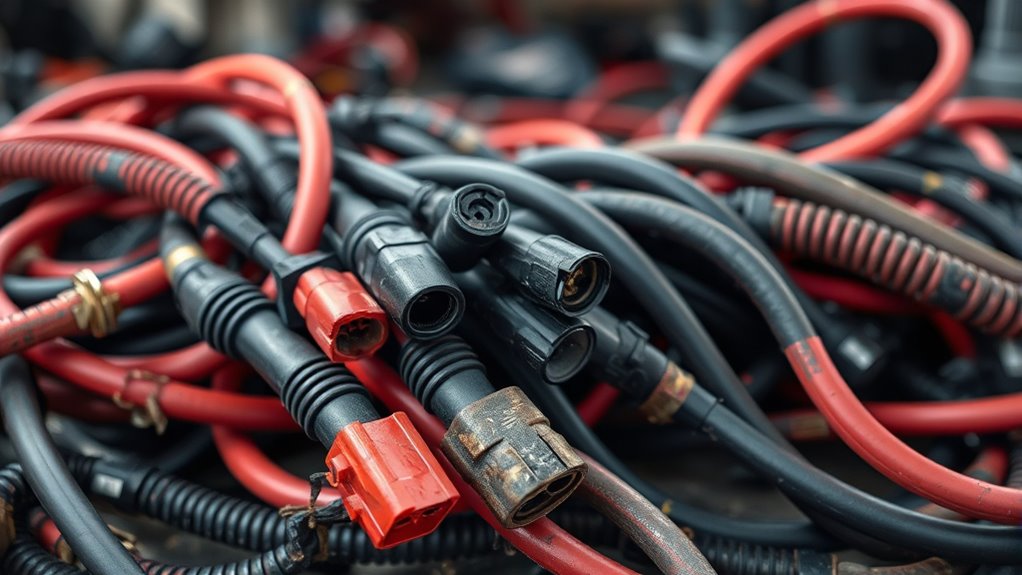

Cheap aftermarket EV charging cables may save you money initially, but they often compromise safety. Poor materials, lack of proper safety certifications, and substandard manufacturing increase the risks of overheating, electrical faults, and even fires. Using low-quality cables can also damage your vehicle’s battery and charging port. To protect yourself and your EV, it’s essential to choose certified, reliable accessories. Keep exploring to understand how to identify safe charging options and avoid costly mistakes.
Key Takeaways
- Cheap aftermarket EV cables often lack safety certifications like UL, CE, or ETL, increasing fire and electric shock risks.
- Low-quality materials and poor manufacturing standards can cause overheating, electrical faults, and damage to your vehicle.
- Compatibility issues with specific EV models may lead to improper connection, reduced efficiency, or potential vehicle harm.
- Inexpensive cables tend to have unreliable power delivery, resulting in incomplete charging and shortened equipment lifespan.
- Properly certified, reputable aftermarket cables, though more expensive, offer safer, more reliable performance and protection.
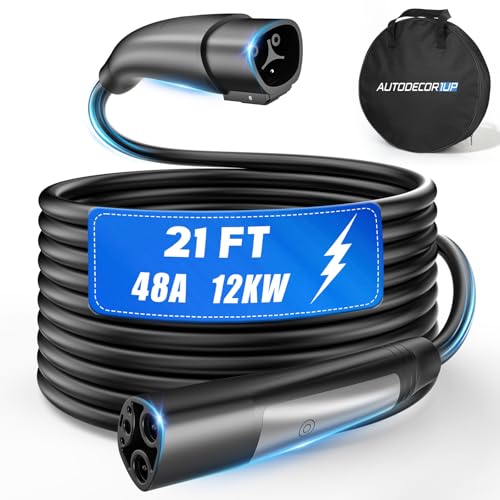
Autodecor 1Up 21 ft 48A Tesla Charger Extension Cable, NACS EV Cord, Black
- Compatibility: Designed for Level 1 & 2 charging
- Tesla Compatibility: Works with Tesla wall, mobile, and destination chargers
- Length and Capacity: 21ft, 48A extension cord
As an affiliate, we earn on qualifying purchases.
As an affiliate, we earn on qualifying purchases.
Understanding the Differences Between Genuine and Aftermarket Chargers

When choosing an EV charging cable, it’s important to understand the key differences between genuine and aftermarket options. Genuine chargers typically adhere strictly to established charging standards, ensuring reliable performance and safety. In contrast, aftermarket cables may not always meet these standards, leading to potential compatibility issues. Compatibility problems can arise if the cable doesn’t support your vehicle’s specific charging protocol or connector type. This can result in slower charging, error messages, or even damage to your vehicle or charger. Genuine chargers are designed with precise specifications to match your EV model, reducing risks and ensuring ideal performance. Always verify that an aftermarket cable complies with recognized standards to avoid compatibility issues and safeguard your vehicle’s charging system. European cloud servers are helping develop safer and more reliable digital infrastructure to support the adoption of electric vehicles and other sustainable technologies. Additionally, considering the quality standards of the charger can significantly impact its safety and performance. Ensuring that the cable meets safety certifications can provide added confidence in its durability and protection against electrical faults. A higher-quality cable may also incorporate features like overcurrent protection, further enhancing safety during use.

2026 Upgraded Level 1&2 Portable EV Charger, 8-16Amp Adjustable Current & Timer, 110V-240V, NEMA 5-15 & 6-20 Plug, 21Ft EV Charging Cable, J1772 Electric Car Charger for All PHEV/EV Charging Cord
- Intelligent Charging with Smart Scheduling: Adjustable current and 1-12 hour delay timer
- Universal Compatibility: Compatible with all SAE J1772 EVs and PHEVs
- Fast Charging Speeds: Up to 4× faster than standard chargers
As an affiliate, we earn on qualifying purchases.
As an affiliate, we earn on qualifying purchases.
Common Risks Associated With Low-Quality Charging Cables

Using low-quality charging cables can pose serious risks to both your vehicle and your safety. While they might seem like a way to save money, the potential cost savings are often short-lived. These cheap cables often have poor insulation and inferior materials, increasing the risk of electrical shorts, sparks, or fires. Compatibility issues are also common, meaning the cable may not properly connect or deliver the correct voltage, which can damage your vehicle’s charging system. Additionally, low-quality cables may lack proper safety certifications, leaving you vulnerable to electric shocks or overheating. Investing in reliable, certified cables guarantees safe, consistent charging and protects both your vehicle and personal safety. Cutting corners with cheap cables can lead to costly repairs or dangerous situations down the line. Properly designed cables include advanced safety features that help prevent accidents and ensure reliable performance over time. Ensuring your charger has proper safety certifications can provide peace of mind and ensure compliance with safety standards. Moreover, using quality materials in cable construction enhances durability and minimizes risks during frequent use. Always verify that your charging equipment meets industry safety standards to avoid potential hazards. Being aware of common counterfeit products can also help you avoid dangerous, substandard cables that do not meet safety regulations.
2026 Upgraded Level 1&2 Portable EV Charger, 8-16Amp Adjustable Current & Timer, 110V-240V, NEMA 5-15 & 6-20 Plug, 21Ft EV Charging Cable, J1772 Electric Car Charger for All PHEV/EV Charging Cord
- Intelligent Charging with Smart Scheduling: Adjustable current and 1-12 hour delay timer
- Universal Compatibility: Compatible with all SAE J1772 EVs and PHEVs
- Fast Charging Speeds: Up to 4× faster than standard chargers
As an affiliate, we earn on qualifying purchases.
As an affiliate, we earn on qualifying purchases.
How to Identify Safe and Reliable EV Charging Accessories

To guarantee your EV charging accessories are safe and reliable, start by checking for proper safety certifications from recognized organizations like UL, CE, or ETL. These certifications ensure the charger has been tested for safety standards. Next, verify charger compatibility with your vehicle’s make and model to prevent damage and ensure efficient charging. Look for clear warranty coverage, which reflects the manufacturer’s confidence in durability and support. When choosing accessories, consider these factors: safety certifications, Certified safety standards for peace of mind; proper charger compatibility to avoid issues; comprehensive warranty coverage for protection; and trusted brand reputation to ensure reliability. Additionally, assess the body jewelry materials used in the charger, as high-quality materials can enhance durability and safety. Incorporating quality control measures in manufacturing processes further guarantees product safety and longevity, especially when the manufacturing involves strict adherence to sound quality standards. Regularly checking for product certifications can help keep your charging setup safe over time.

Lectron Level 1 EV Charger – ETL Certified, 120V, 15 Amp, 16 ft Extension Cord & J1772 Cable – Portable Electric Car Charger for J1772 EVs and Plug-in Hybrid Vehicles
- Certification: ETL Certified for safety
- Voltage and Current: 120V, 15 Amp power
- Extension Cord Length: 16 ft extension cord
As an affiliate, we earn on qualifying purchases.
As an affiliate, we earn on qualifying purchases.
Potential Damage to Your Vehicle and Charging Infrastructure

Even the safest and most reliable EV charging accessories can pose risks if not used correctly, potentially causing damage to your vehicle or charging infrastructure. Using incompatible or low-quality cables might harm your battery’s health, especially if the connector doesn’t match your vehicle’s battery compatibility. Poor connections can lead to overheating or electrical faults, risking costly repairs. Additionally, cheap chargers often void warranty concerns, leaving you unprotected if damage occurs. To better understand, consider this table:
| Risk | Description | Prevention |
|---|---|---|
| Battery Damage | Incompatible cables can harm battery cells | Use certified, compatible chargers |
| Infrastructure Damage | Overheating connectors damage outlets | Regular inspections & proper connections |
| Warranty Concerns | Using cheap accessories voids coverage | Stick to manufacturer-approved cables |
| Electrical Faults | Poor wiring causes shorts | Avoid low-quality, unverified products |
Furthermore, proper maintenance and adherence to safety guidelines are essential to prevent unforeseen issues. Being aware of quality standards can help ensure that your charging setup remains safe and reliable over time. Maintaining regular inspections of your charging equipment can also detect potential issues before they cause damage. Additionally, understanding manufacturer recommendations helps ensure compatibility and reduces the risk of damage. Incorporating manufacturer guidance when selecting accessories can further mitigate potential hazards.
Making Informed Decisions for Safe EV Charging

Making informed decisions is essential to guarantee your EV charging remains safe and reliable. You want to protect your vehicle and avoid costly repairs, so research brands carefully. Avoid cheap, unverified chargers that may compromise safety or damage your EV. When choosing a charger, consider: – Ensuring it meets safety standards to prevent hazards – Checking the brand’s reputation for quality and reliability – Weighing cost savings against potential risks and long-term expenses – Reading reviews to gauge real-world performance and durability Free Floating Additionally, examining whether the charger supports local automation features can enhance your overall charging experience and safety. Consulting reputable sources or verified reviews can also provide valuable insights into the long-term performance of different chargers. Understanding field‑of‑view and proper installation practices can further ensure your charging setup is both safe and effective.
Frequently Asked Questions
Do Aftermarket Chargers Affect My Vehicle’s Warranty?
Using aftermarket chargers can affect your vehicle’s warranty due to compatibility issues and potential warranty exclusions. If the charger causes damage or isn’t officially compatible, your manufacturer might deny warranty claims. To avoid risks, confirm the aftermarket charger meets your vehicle’s specifications and check if it’s covered under warranty exclusions. Always research and verify compatibility before using third-party charging cables to protect your vehicle and warranty coverage.
Can Using Cheap Chargers Void My Ev’s Warranty?
Using cheap chargers can void your EV’s warranty if they’re incompatible and lead to damage. Think of it as playing with fire—if the charger isn’t designed for your vehicle, warranty exclusions often kick in, leaving you responsible for repairs. Always check charger compatibility before use. Investing in quality, certified chargers guarantees your vehicle stays protected and your warranty remains intact, saving you from costly risks down the road.
Are There Certifications to Look for in Safe Charging Cables?
You should look for charger certifications and safety standards to guarantee your charging cable is safe. Certifications like UL, IEC, or SAE indicate the cable meets industry safety standards, reducing the risk of electrical faults or damage. Always check for proper labeling and ensure the cable complies with local regulations. Using certified cables helps protect your vehicle and guarantees safer, reliable charging.
How Do Low-Quality Cables Impact Long-Term Vehicle Performance?
Ever wonder how those cheap cables could affect your EV? Low-quality cables often lack proper insulation, leading to poor cable durability and increased risk of damage. This can cause inconsistent charging efficiency, stressing your vehicle’s battery over time. Over the long term, these issues may reduce your car’s performance and lifespan. Investing in certified, higher-quality cables ensures reliable charging and helps maintain your vehicle’s ideal performance.
What Are the Insurance Implications of Using Non-Genuine Chargers?
Using non-genuine chargers can complicate insurance claims and raise liability concerns if something goes wrong. Insurance companies might deny coverage if they find that you used a cheaper, uncertified charger, arguing it contributed to damage or fire. To avoid potential issues, always use certified chargers recommended by your vehicle manufacturer, ensuring you’re protected and minimizing liability concerns if an incident occurs.
Conclusion
So, next time you’re tempted by that dirt-cheap charger, remember—you might get what you pay for. Sure, it’s tempting to save a few bucks, but risking damage to your car or even a fire isn’t exactly a bargain. Ironically, the cheapest option could end up costing you a lot more in repairs or safety hazards. Sometimes, spending a little more is the smart choice—your vehicle (and peace of mind) will thank you.