
As an electric vehicle owner, you might wonder if you’ll soon pay road taxes based on miles driven. Many policymakers are moving toward mileage-based taxes to fund infrastructure since EVs don’t use fuel taxes like gasoline cars do. While some systems use onboard devices or apps, privacy concerns are part of the discussion. If you want to understand how these changes could impact you and what options are being considered, there’s more to explore.
Key Takeaways
- Many governments are considering mileage-based taxes to replace fuel taxes as EVs reduce fuel consumption revenue.
- Mileage-based systems involve onboard devices or apps that track miles driven, raising privacy concerns.
- Future legislation may link road taxes to charging activity, integrating fees with EV charging stations.
- Recycling fees or credits for EV batteries could help fund road maintenance and environmental sustainability.
- A combination of usage taxes, charging fees, and recycling incentives is likely to form the future EV road tax system.

Have you ever wondered how electric vehicles (EVs) are taxed compared to traditional gasoline-powered cars? As EV adoption increases, governments are exploring new ways to generate revenue without relying solely on fuel taxes. Since EVs don’t use gasoline, which is taxed at the pump, many regions are considering alternative methods like road usage charges or mileage-based taxes. This shift aims to guarantee road maintenance funding continues fairly as more drivers switch to electric.
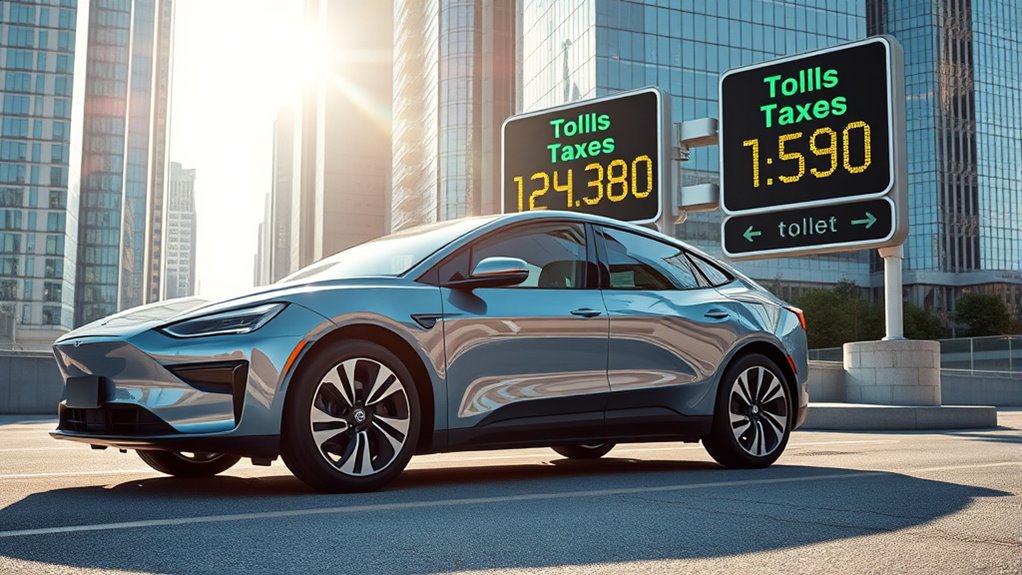
One of the key challenges in this changeover is balancing environmental benefits with fair taxation. EVs are promoted for their zero emissions, but they still contribute to road wear and tear. To address this, some jurisdictions are contemplating mileage-based taxes, where you pay based on how many miles you drive. This approach requires tracking your usage, often through onboard devices or smartphone apps, raising questions about privacy and implementation costs. Still, it offers a straightforward way to guarantee EV owners contribute to infrastructure upkeep proportionally to their road use.
Charging infrastructure plays a pivotal role in this evolving landscape. As more people switch to EVs, the need for widespread, efficient charging stations becomes essential. Not only does this support adoption, but it also influences how taxes might be collected in the future. For example, some regions are considering integrating road taxes into charging fees or using charging sessions as a basis for mileage calculations. As charging stations become more prevalent, it’s possible that future legislation could link charging activity to road usage charges, making the process seamless and encouraging responsible driving.
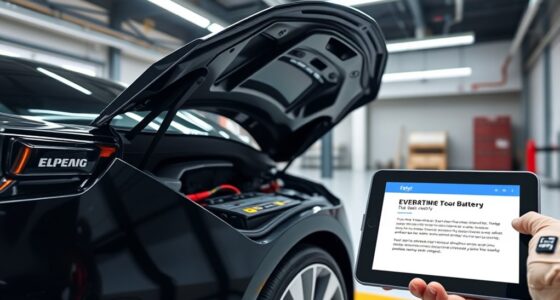
Battery recycling is another important factor that intersects with EV taxation policies. As EV batteries reach the end of their lifespan, responsible recycling becomes necessary to minimize environmental impact. Some proposals suggest imposing recycling fees or credits that could be incorporated into the overall cost of EV ownership or operation. These fees could help fund infrastructure upgrades, including expanding charging networks or maintaining roads. Additionally, recycling fees and credits could incentivize sustainable disposal practices while helping to offset the environmental costs associated with EVs. By incorporating battery recycling costs into the tax system, authorities can promote sustainability while ensuring that EV owners contribute to the long-term management of their vehicles’ environmental footprint.
Ultimately, the question of whether electric cars will pay by the mile hinges on balancing technology, infrastructure, and environmental considerations. Shifting to a mileage-based system could guarantee fair funding for road maintenance, but it requires careful implementation to protect privacy and keep costs reasonable. As the landscape evolves, you’ll likely see a combination of these approaches, integrating charging infrastructure, recycling fees, and usage-based taxes to create a fair, sustainable system that supports the shift to cleaner transportation.
Top picks for "road electric cars"
Open Amazon search results for this keyword.
As an affiliate, we earn on qualifying purchases.
Frequently Asked Questions
How Will Mileage Be Accurately Measured for Electric Vehicle Tax Purposes?
You’ll likely use GPS tracking or odometer calibration to accurately measure your electric vehicle’s mileage for tax purposes. GPS tracking offers precise, real-time data on your routes and distances, reducing errors. Odometer calibration guarantees your vehicle’s mileage readings are accurate and consistent. These methods help authorities verify your reported miles, making the process transparent and fair. Combining both can provide the most reliable measurement for mileage-based road taxes.
Will Electric Cars Be Exempt From All Traditional Road Taxes?
No, electric cars likely won’t be exempt from all traditional road taxes. As governments shift focus, they might reduce fuel subsidies for petrol vehicles and introduce road taxes based on mileage or other factors. Your EV’s access to charging infrastructure and the need to fund road maintenance will influence tax policies. Ultimately, you’ll probably see some form of road tax applied, balancing incentives for EV adoption with infrastructure costs.
How Might Pay-Per-Mile Taxes Impact Electric Vehicle Affordability?
Think of pay-per-mile taxes as adding weight to your electric journey. They could make EVs feel less like a free ride, especially if fuel efficiency drops and charging infrastructure isn’t widespread. This might stretch your budget, making electric cars less affordable. You’ll need to contemplate how these costs impact your savings and whether newer charging stations will ease the burden, keeping your electric ride smooth and economical.
Are There Privacy Concerns With Tracking EV Mileage for Taxes?
Yes, there are privacy concerns with tracking EV mileage for taxes. Vehicle monitoring systems collect data on your driving habits, which could be misused or accessed without your consent. You might worry about your location, routes, or habits being exposed. It’s essential for policymakers to establish strict data privacy protections, ensuring your personal information remains secure and that tracking is transparent and limited to tax purposes only.
What Technology Will Be Used to Implement Road-Usage-Based EV Taxes?
You’ll likely see sophisticated software and sensors set up to serve as seamless solutions, combining vehicle charging data and toll integration to track travel. These tools, like telematics and transponders, transmit trip details securely, supporting accurate mileage monitoring. By blending these technologies, authorities can effortlessly facilitate fair, flexible, and frictionless road-usage-based EV taxes, ensuring drivers pay proportionally to their journeys while maintaining privacy and promoting progress.
Conclusion
As electric vehicles roll into the future, the road tax debate is like a puzzle waiting to be solved. You might find yourself steering through new rules, much like steering through a maze. But remember, the goal is fairness—making sure everyone contributes to the roads they travel. Whether by the mile or flat fee, stay informed and adaptable. After all, your journey on this evolving landscape is like sailing a ship—steady and prepared for whatever storm or calm lies ahead.