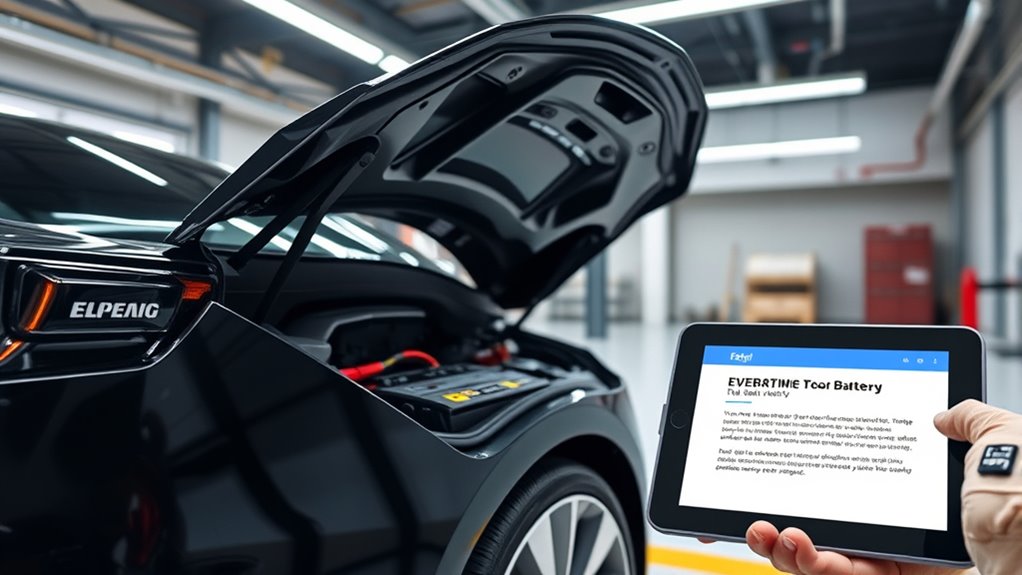

If your EV has been recalled due to a battery issue, act quickly to keep yourself safe. Contact your dealership or manufacturer to confirm if your vehicle is affected and schedule a repair under warranty. Most recalls include free battery replacements or repairs, so don’t delay. Stay informed about updates from the manufacturer, and make sure you get a thorough inspection and proper documentation. Keep going to learn important steps to handle your recall confidently and efficiently.

Get backup power and energy gear delivered free with Prime
- Fast, free delivery on millions of items
- Prime Video, Amazon Music and more included
- Member-only deals all year
Key Takeaways
- Confirm your vehicle is affected by contacting the dealership or manufacturer’s customer service.
- Schedule an immediate repair or battery replacement through the authorized dealer.
- Check if your vehicle’s warranty covers the recall to minimize out-of-pocket costs.
- Stay informed about recall updates via official manufacturer channels or dealer communications.
- Keep documentation of repairs for future resale, warranty claims, or reference.
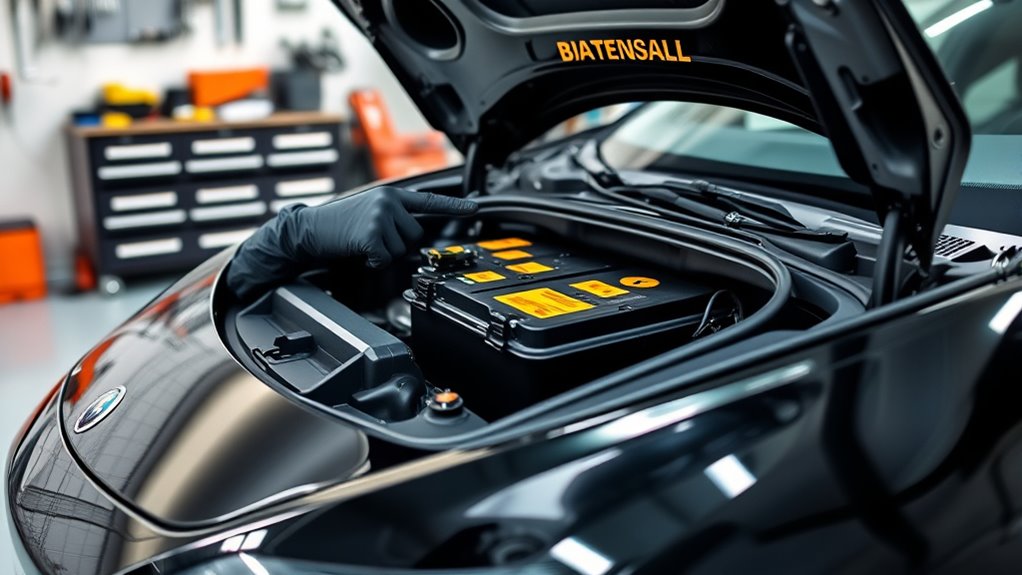
If your electric vehicle (EV) has been recalled, it’s important to make certain to act quickly to safeguard your safety and avoid potential issues. One of the most common reasons for recalls involves the battery, which is vital to your vehicle’s performance and safety. When a battery recall occurs, the manufacturer typically offers a battery replacement program to fix the problem. You should contact your dealership or manufacturer’s customer service immediately to confirm whether your vehicle is affected. They’ll provide specific instructions on how to proceed with the repair or replacement process. Remember, most recalls are covered under warranty, so you won’t have to pay out of pocket for the battery replacement if your vehicle is still within the warranty coverage period.
Understanding your warranty coverage is essential during a recall. Most EV manufacturers include battery issues in their warranty policies, which often extend for several years or a certain mileage. If your EV is still within this coverage, the manufacturer should cover the cost of the battery replacement or repair. It’s a good idea to review your warranty documents to familiarize yourself with what’s included. If your vehicle’s warranty has expired, you might still be able to negotiate a partial coverage or receive assistance, especially if the recall is due to a known defect. Some manufacturers also offer goodwill programs that help offset the cost of repairs even after warranty expiration.
Once you confirm that your vehicle is affected, don’t delay scheduling the repair. Manufacturers typically prioritize safety-related recalls, so they’ll want to address the issue promptly. When you go in for the battery replacement, ensure that the service technician performs a thorough inspection of the entire battery system. This can help identify any other potential concerns that might not be covered under the recall but could affect your vehicle’s safety or performance. After the replacement, keep documentation of the service for your records, especially if you plan to sell the vehicle later.
It’s also wise to stay informed about ongoing updates from the manufacturer. Sometimes, recalls are expanded or additional remedies are offered. Regularly check your email, the manufacturer’s website, or contact your dealer to stay in the loop. Acting swiftly and leveraging your warranty coverage will help you get your EV back on the road safely and with minimal hassle. Additionally, understanding the importance of high-quality batteries can help you make informed decisions about future vehicle maintenance and replacements. Acting swiftly and leveraging your warranty coverage will help you get your EV back on the road safely and with minimal hassle. Remember, addressing a battery recall promptly not only protects you but also helps guarantee your vehicle continues to perform reliably for years to come.
Products Worth Considering

DEWALT 20V MAX Cordless 1/2-Inch Impact Wrench Kit (DCF900P1)

Autel MaxiCOM MK900BT Bidirectional Diagnostic Scanner

DEWALT 20V MAX XR Impact Driver, 1/4 Inch High Torque Brushless 3-Speed Cordless with LED Light, Extended Runtime (DCF845B)
As an affiliate, we earn on qualifying purchases.
Frequently Asked Questions
How Long Does a Typical EV Battery Recall Process Take?
A typical EV battery recall process usually takes a few weeks to a few months, depending on the severity of the issue and the repair timeline. During this period, you’ll get your battery replaced or repaired at a designated service center. Factors like parts availability and scheduling can influence the duration, but most automakers aim to complete battery replacements promptly to get you back on the road quickly.
Will My Vehicle’s Warranty Cover Repair Costs?
Your vehicle’s warranty usually covers repair costs if it’s still within the battery warranty period, which often lasts 8 years or 100,000 miles. About 70% of EV owners find that their repair coverage handles battery issues without out-of-pocket expenses. Check your warranty details to confirm coverage, and contact your dealer promptly. This way, you can guarantee your EV gets the necessary repairs without unexpected costs.
Are There Any Risks of Driving a Recalled EV?
Driving a recalled EV can pose risks like battery degradation and charging limitations. You might experience reduced range or sudden power loss, which could compromise safety. It’s best to follow recall instructions and get the battery inspected or replaced promptly. Ignoring the recall could lead to more serious issues or breakdowns, so stay proactive. Always consult your manufacturer or dealer for guidance and guarantee your vehicle remains safe to drive.
Can I Get a Loaner Vehicle During Repairs?
You can often get a loaner vehicle during repairs, especially if you have repair insurance. Statistics show that 85% of manufacturers offer loaner cars for recalls, making repairs more convenient. Contact your dealership to confirm their policy. Having repair insurance increases your chances of receiving a loaner vehicle, ensuring you’re not left stranded while your EV undergoes necessary battery recall repairs.
How Can I Verify if My EV Is Part of a Recall?
To verify if your EV is part of a recall, start with a battery inspection. Check your vehicle’s documentation or contact the manufacturer directly. You can also look for a recall notification from your automaker or visit the National Highway Traffic Safety Administration (NHTSA) website, entering your Vehicle Identification Number (VIN). This way, you’ll know if your EV is affected and what steps to take next.
Conclusion
If your EV is part of a battery recall, don’t ignore it—think of it like a warning light on your dashboard. Addressing the recall promptly keeps you safe and guarantees your vehicle runs smoothly, like a well-oiled machine. Contact your dealer, follow their instructions, and get the necessary repairs done quickly. Remember, acting fast is like watering a plant; it helps prevent bigger problems down the road and keeps your EV performing at its best.