
TL;DR

Get backup power and energy gear delivered free with Prime
- Fast, free delivery on millions of items
- Prime Video, Amazon Music and more included
- Member-only deals all year
An Ideal Home writer has outlined five measures they are taking to make a cold hallway more comfortable, drawing on advice from heating and draught-proofing specialists. The steps include sealing gaps, covering cold flooring and reviewing radiator placement; the writer says the impact of recently added door seals is not yet known.
An Ideal Home writer has outlined five steps they are taking to make a persistently cold hallway more comfortable, including draught-proofing the front door, covering a chilly hard floor and reviewing the hallway’s heating. The report combines the writer’s experience in a house more than 100 years old with advice from heating and energy specialists; it does not report measured results from the changes.
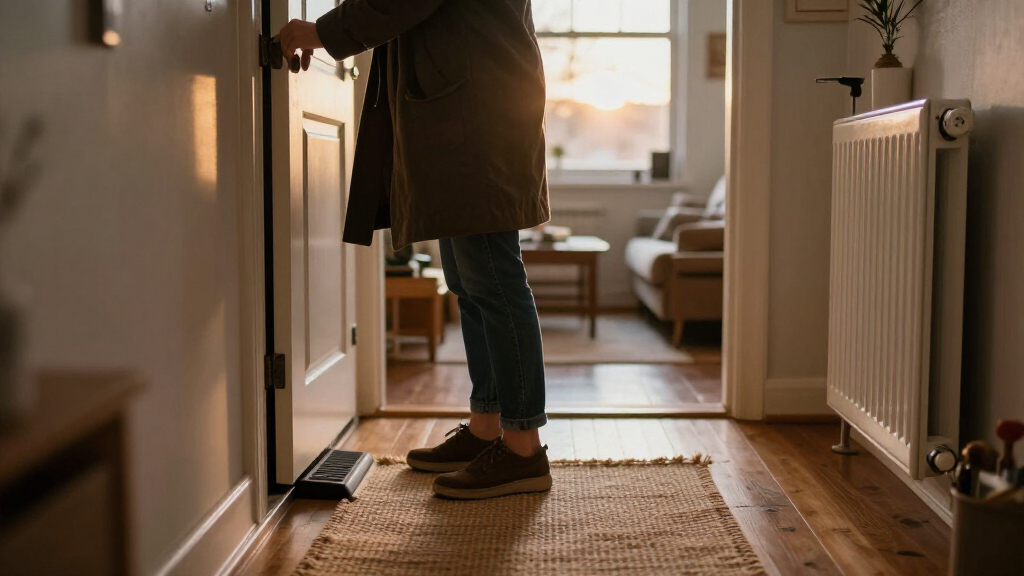
The writer says the home has original windows and doors and limited insulation and draught-proofing. While newer parts of the house are generally warmer, the entrance hallway becomes particularly cold when outdoor temperatures fall. A recent attempt to address the problem involved adding a letterbox cover, brush seal, escutcheon and weatherstripping to the front door. The writer says it is too early to know how much difference those measures have made.
Elite Renewables founder Martyn Fowler advises checking around the door frame, beneath the door and at the letterbox to locate draughts. He also warns not to block ventilation that has been installed intentionally. Warm4Less owner Georges Cornah recommends considering a draught excluder and checking understairs cupboards, which can also allow cold air through.
The report’s other measures address the floor and heating. The writer says the hallway’s slate tiles are durable but cold underfoot; Fowler suggests a runner as a lower-disruption option than replacing a hard floor. Gas Safe engineer Patrick Garner says carpet and underlay can help, while insulation beneath the floor may make a bigger difference where substantial heat is being lost. The writer also describes a column radiator partly obstructed by coats and says floor insulation is on the list for a planned hallway remodel.
Small Changes, Different Costs
A cold entrance can make a home feel uncomfortable as soon as residents return, but the suggested fixes range from inexpensive additions to work that may involve a renovation. Door seals and a runner are comparatively simple changes, while replacing flooring or adding insulation beneath it requires more planning and expense.
The advice also points to a distinction between making a space feel warmer and reducing heat loss. A rug can improve comfort underfoot, but it does not establish that the hallway’s overall temperature has risen. Likewise, the report offers no measured energy savings or temperature readings. For readers, that means the measures are practical options to investigate, not proof that any single one will resolve a cold hallway.
As an affiliate, we earn on qualifying purchases.
An Older Home’s Cold Entry
The report is a first-person account from an occupant of a home built more than a century ago. The writer links the chilly hallway to original doors and windows and a lack of substantial insulation and draught-proofing. The newer kitchen extension and a bedroom are described as warmer, suggesting that conditions vary across the property.
The front-door work was completed only a few weeks before the report, according to the writer, so its effect had not been assessed. The planned hallway remodel is expected next year, when the writer hopes to address floor insulation. The article presents these details as the homeowner’s experience, alongside expert recommendations; it is not a controlled test or a report on a completed renovation.
“The front door is always the first place I check for draughts.”
— Martyn Fowler, founder of Elite Renewables
As an affiliate, we earn on qualifying purchases.
The Results Are Not Yet Measured
The writer says it is too early to assess the door-sealing work. The report does not provide temperature readings, energy-bill comparisons or evidence that the suggested changes have reduced heat loss. Nor does the supplied account set out the two remaining steps in the writer’s five-part plan in detail. The best option will depend on the hallway’s specific sources of draughts and heat loss, which have not been independently assessed.
As an affiliate, we earn on qualifying purchases.
Testing Fixes Before Renovation
The writer plans to put further measures in place before colder weather and says floor insulation is being considered for a hallway remodel next year. The immediate next step described in the report is to see whether the newly fitted door seals make a noticeable difference. Homeowners following similar advice can first check for gaps and consider a runner, then seek qualified advice if they suspect significant heat loss or need work to the floor or heating system.
As an affiliate, we earn on qualifying purchases.
Key Questions
What changes has the writer already made?
The writer says a letterbox cover, brush seal, escutcheon and weatherstripping were added to the front door. They have not yet determined how much the work has helped.
Can a runner help with a cold hallway?
Martyn Fowler says a runner can make a hard floor feel warmer without replacing it. It can improve underfoot comfort, but the report does not claim that a runner by itself will raise the hallway’s air temperature.
What should homeowners check for draughts?
Fowler recommends checking around the door frame, beneath the door and around the letterbox. Georges Cornah also suggests checking understairs cupboards. Do not block vents intended to provide ventilation.
Does the report show how much energy the measures save?
No. It provides no energy-use data, bill comparisons or temperature measurements. The writer says the effect of the recent door work is not yet clear.
Is floor insulation part of the plan?
Yes. The writer says insulating beneath the hallway floor is on the list for a remodel planned for next year. Patrick Garner says underfloor insulation may make a bigger difference in older homes where substantial heat is being lost.
Source: rss
Halloween Picks
halloween
As an affiliate, we earn on qualifying purchases.