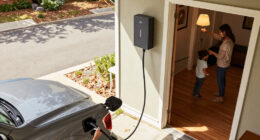
When moving into a new home with an EV, start by checking if there’s a dedicated charging station installed. You’ll likely need a Level 2 charger, which requires a 240-volt outlet and sufficient electrical capacity. Contact your utility provider to discuss installation requirements and incentives, then hire a licensed electrician to evaluate and upgrade your system if necessary. Ensuring everything is compatible and safe is key—continue exploring to learn how to streamline this process effectively.

Get backup power and energy gear delivered free with Prime
- Fast, free delivery on millions of items
- Prime Video, Amazon Music and more included
- Member-only deals all year
Key Takeaways
- Verify if your new home has a dedicated EV charging station or requires installing a Level 2 charger.
- Contact your utility provider to discuss installation requirements, incentives, and necessary approvals.
- Hire a licensed electrician to evaluate your electrical system’s capacity and handle the installation safely.
- Plan for potential electrical upgrades or wiring improvements to support the new charger and prevent delays.
- Test the charger thoroughly after installation and complete any inspections or permits for safe, reliable EV charging.
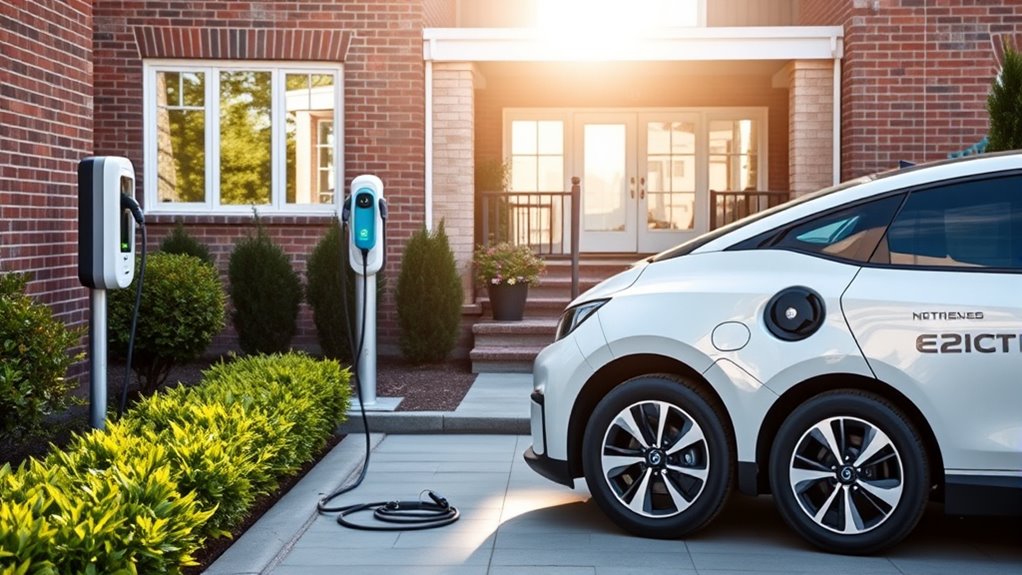
Moving to a new home with an electric vehicle (EV) can be an exciting experience, but it also requires some careful planning. One of the first things you’ll want to focus on is charger installation. Having a reliable charger at home is essential for convenience and ensuring your EV stays ready to go whenever you need it. Before you settle in, check whether your new house already has a dedicated charging station or if you’ll need to have one installed. If a charger isn’t already in place, you’ll need to explore options for a Level 2 home charging station, which typically requires a 240-volt outlet. This process involves evaluating your electrical system’s capacity and possibly upgrading your wiring or breaker panel to support the new charger safely.
Coordinating with your utility company is a critical step in this process. Once you decide on the charger setup, you should contact your utility provider to discuss your plans. They may have specific requirements or incentives for installing EV chargers, such as rebates or reduced rates for off-peak charging. Utility companies often need to approve or inspect the installation to ensure it meets safety standards and grid compatibility. This coordination helps avoid surprises or delays and ensures your charging station is fully compliant with local regulations.
During this phase, it’s wise to hire a licensed electrician experienced in EV charger installation. They can evaluate your electrical system, recommend the right charger model, and handle the installation safely and efficiently. An electrician will also work with the utility company, submitting any necessary permits or paperwork. This teamwork minimizes the risk of future electrical issues and guarantees that your setup is safe, reliable, and compliant. Additionally, understanding the electrical load of your home can help you plan for any necessary upgrades to support your EV charging needs.
It’s also important to consider your home’s electrical load. If your new property has an older electrical system, you might face upgrades to support the additional demand of a high-powered charger. Planning for these upgrades early helps prevent any delays or unexpected costs down the line. Once everything is installed and approved, you’ll want to test your charger thoroughly to confirm it works properly and charges your EV efficiently.
Products Worth Considering

Autel 40A Level 2 EV Charger, 240V NEMA 14-50 J1772, WiFi, 25ft Cable

Autel MaxiCharger Level 2 EV Charger, 40A, 240V, Indoor/Outdoor, 25‑Foot Flexible Cable, NEMA 14‑50 Plug (White)

Autel Home EV Charger up to 50A J1772 Hardwired Level 2 Charger with 25 ft Cable
As an affiliate, we earn on qualifying purchases.
Frequently Asked Questions
Can I Transfer My Existing EV Charger to My New Home?
You can usually transfer your existing EV charger to your new home, but you’ll need to check charger compatibility and electrical transfer requirements. Make certain the charger’s voltage and amperage match your new home’s electrical system. You might need an electrician to verify the electrical transfer and possibly upgrade your wiring or circuit breaker. Confirm with the charger manufacturer for compatibility and any specific installation guidelines before relocating your charger.
Are Portable Chargers Suitable for Long-Term Home Charging?
Portable chargers are like a trusty sidekick, but they’re not ideal for long-term home charging. They might seem convenient, but for consistent, reliable power, dedicated home chargers are better. Portable chargers can handle short charges, but for daily use, they often lack the speed and stability needed for long-term charging. To keep your EV happy and ready, invest in a permanent charging station at your new home.
How Do I Ensure My New Home’s Electrical System Supports EV Charging?
You need to check your new home’s wiring and circuit capacity to support EV charging. Start by consulting a licensed electrician who can evaluate your electrical system, verify your circuit breaker can handle the charger’s power needs, and upgrade if necessary. Properly supported home wiring guarantees safe, efficient charging, so don’t skip this step. This way, you prevent overloads and ensure your EV charges smoothly and safely.
What Are the Costs Involved in Installing a New EV Charger?
Installing a new EV charger typically costs between $500 and $2,500, depending on the charger type and installation complexity. Did you know that permitting fees can add $100 to $500? Your expenses include installation costs, which cover labor and materials, and permitting fees required by local authorities. Planning ahead helps you budget effectively and guarantees a smooth setup process for your home charging station.
Should I Upgrade My Home’s Electrical Panel for Faster Charging?
Yes, upgrading your electrical panel can enable faster charging and support your smart home and solar energy systems. It guarantees your home’s wiring can handle increased power demands, especially if you’re adding an EV charger. With a higher-capacity panel, you’ll optimize solar energy use for charging and integrate smart home features seamlessly. Consider consulting an electrician to evaluate your current setup and determine the best upgrade options for your needs.
Conclusion
Moving to a new home with an EV feels like upgrading to a spaceship—your charger setup becomes the engine that propels your adventures into the future. Don’t settle for a basic plug-in; make it a powerhouse that could charge your car faster than you can blink. With the right planning, your new home can become the epicenter of electric excellence, turning everyday charging into a seamless, lightning-fast experience that leaves traditional gas stations in the dust.