You’ll find your EV gets better range in the city because frequent stops allow regenerative braking to recharge the battery, extending your range. Lower speeds reduce air resistance and energy use, while stop-and-go traffic keeps your battery active without high-speed drain. On highways, sustained high speeds increase energy demand, reducing range. Weather conditions and route planning also matter, so exploring more tips can help you maximize your EV’s efficiency in different driving environments.

Get backup power and energy gear delivered free with Prime
- Fast, free delivery on millions of items
- Prime Video, Amazon Music and more included
- Member-only deals all year
Key Takeaways
- City driving’s frequent stops enable regenerative braking, which recovers energy and extends battery range.
- Lower city speeds reduce air resistance, decreasing energy consumption compared to highway speeds.
- Urban charging stations allow easy top-ups, maintaining battery levels more effectively than on highways.
- Highway driving at high speeds increases energy demand, reducing overall range due to greater resistance and power needs.
- Cold weather impacts highway range more, as sustained high speeds and heating needs drain batteries faster.
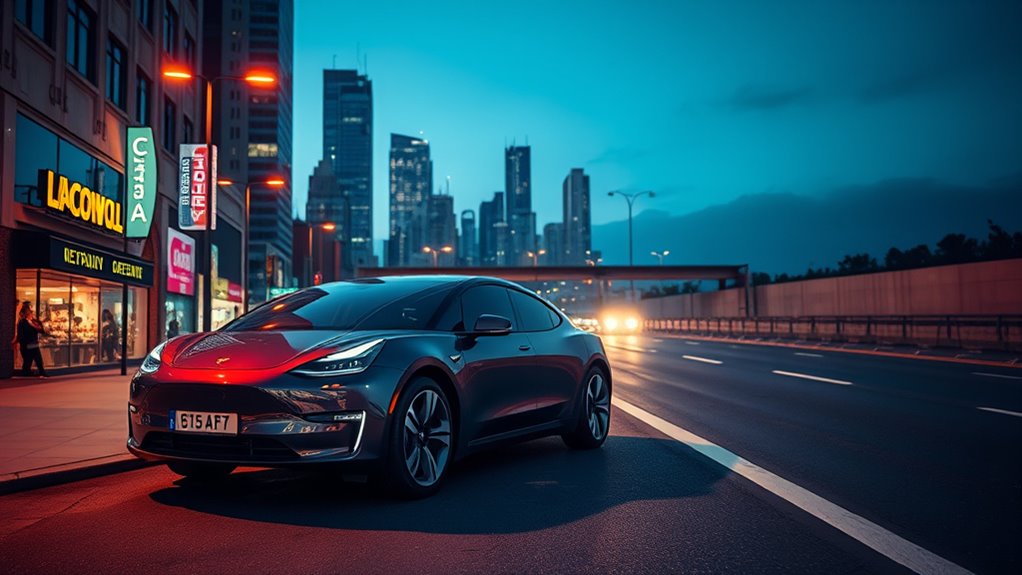
When it comes to electric vehicle (EV) range, many drivers notice a difference between city and highway driving. You might find that your EV tends to go farther in city conditions than on the highway, which can seem counterintuitive at first. Several factors influence this, including driving patterns, the availability of charging stations, and weather impacts. Understanding these can help you optimize your driving and charging strategies.
EVs often go farther in city driving than on highways due to regenerative braking and frequent stops.
In city driving, your EV benefits from frequent stops and lower speeds. When you brake or slow down, regenerative braking kicks in, converting kinetic energy into electrical energy that charges the battery. This process effectively extends your range without needing to find a charging station. Additionally, stop-and-go traffic means you’re not constantly pushing the vehicle to higher speeds, which consume more energy. So, despite shorter trips, city driving often results in better overall efficiency. On the other hand, highway driving involves sustained higher speeds, which increases air resistance and demands more energy from the battery. The faster you go, the more power you need to maintain those speeds, causing your range to drop.
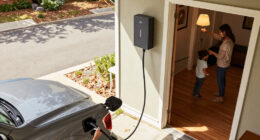
Charging stations play a crucial role in maintaining your EV’s range, especially if you’re planning longer trips. In cities, charging stations are usually more plentiful, making it easier to top off your battery during the day or between errands. This accessibility minimizes range anxiety and encourages more efficient use of your EV. Conversely, on highways, charging stations can be sparse, so you might need to plan your routes carefully to avoid running low on battery. Charging becomes less frequent but more critical, especially in areas where weather impacts can also influence your driving experience.
Weather impacts are a significant factor in EV range fluctuations. Cold temperatures, for example, can reduce battery efficiency and increase energy consumption for heating the cabin. In city driving, this means your range might be be slightly compromised during winter months, but the frequent stops still help manage energy use better. On the highway, cold weather can drastically cut your range because maintaining highway speeds and using heating systems consume more power. Hot weather can also impact battery performance, though typically less severely, causing similar effects. Proper planning, such as pre-conditioning your vehicle and utilizing charging stations strategically, can help mitigate weather impacts and keep your range optimized whether you’re in the city or on the highway.
Additionally, efficient energy use in city driving is supported by the vehicle’s ability to recover energy during deceleration, enhancing overall range. Ultimately, understanding how your driving environment, charging infrastructure, and weather conditions influence your EV’s range allows you to make smarter choices. By leveraging city driving benefits like regenerative braking and plentiful charging stations, and preparing for weather impacts, you can maximize your EV’s efficiency and enjoy longer, more reliable trips.
Products Worth Considering

Milwaukee M18 FUEL 18V Lithium-Ion Brushless Cordless 1 in. Impact Wrench Extended Reach D-Handle Kit with Two 12.0 Ah Batteries
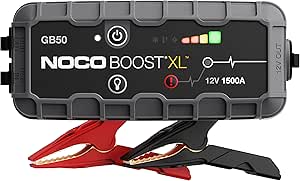
NOCO Boost GB50 1500A UltraSafe Jump Starter, 12V Lithium Battery Booster

NOCO Boost GBX75 2500A UltraSafe Jump Starter, 12V Lithium Battery Booster
As an affiliate, we earn on qualifying purchases.
Frequently Asked Questions
How Does Air Conditioning Affect EV Range in City Versus Highway Driving?
Air conditioning impacts your EV’s range differently depending on city or highway driving due to climate effects. In the city, frequent stops and starts make cabin cooling more noticeable, draining battery power faster. On the highway, steady speeds mean less climate effects from air conditioning, helping you conserve energy. To maximize range, use cabin cooling efficiently, like pre-conditioning your EV or setting the AC to a moderate level during drives.
Do Traffic Conditions Impact EV Efficiency Differently in Urban and Highway Settings?
Imagine you’re stuck in traffic congestion, feeling like you’re back in the days of the Model T. In urban driving, stop-and-go traffic drains your EV’s efficiency more than steady highway speeds, because frequent acceleration and braking consume more energy. On the highway, consistent speeds help preserve your range. So, traffic conditions hit your EV differently—much harder in city stop-and-go than on the open road.
How Does Regenerative Braking Improve EV Range in City Driving?
Regenerative braking boosts your EV’s range in city driving by capturing energy during deceleration. When you brake or slow down, regenerative braking converts kinetic energy into electrical energy, which is stored in the battery for later use. This energy recovery process reduces reliance on the battery’s stored power, extending your vehicle’s range. So, the more you brake in city traffic, the more energy you recover, maximizing your EV’s efficiency.
Are There Specific EV Models Optimized for City or Highway Use?
You’ll find urban models designed specifically for city driving, emphasizing features like efficient regenerative braking and compact size, which boost range in urban settings. Conversely, highway optimizations focus on aerodynamics and battery efficiency at higher speeds, making some EVs better suited for highway use. When choosing, consider whether you prioritize city convenience with urban models or long-distance highway trips optimized for highway performance.
What Role Does Speed Play in EV Battery Consumption on Highways?
You might not realize it, but speed impact on your EV’s battery drain is significant. As you accelerate on highways, higher speeds cause increased wind resistance and motor workload, rapidly depleting your battery. This means your vehicle consumes more energy, reducing range. So, maintaining moderate speeds can help preserve battery life, giving you a longer drive. The faster you go, the more your battery temperature rises—and that’s where the real drain begins.
Conclusion
So, next time you hit the road, remember: your EV thrives in city streets, where stop-and-go driving boosts your range like a well-tuned engine. It’s a reminder that efficiency isn’t just about technology but how you use it—like a dance where every step counts. Embrace the city’s rhythm, and your EV will reward you with more miles. After all, in the journey of sustainability, it’s the small moves that lead to the biggest change.