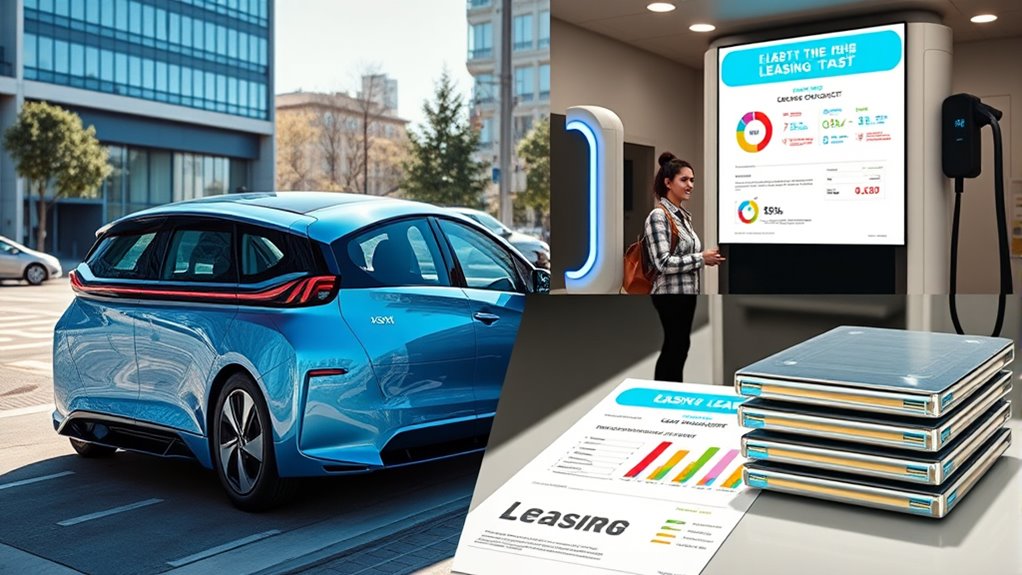

Leasing an EV battery can help you lower your upfront costs, making electric vehicles more affordable initially. It shifts some expenses and risks, like battery depreciation and repair costs, to the leasing company, providing peace of mind about future issues. Owning involves a higher initial investment but offers long-term savings and full control over maintenance. To understand which option fits your finances and driving habits better, explore the details you’ll find later.

Get backup power and energy gear delivered free with Prime
- Fast, free delivery on millions of items
- Prime Video, Amazon Music and more included
- Member-only deals all year
Key Takeaways
- Leasing offers lower initial payments by including battery costs in monthly fees, reducing upfront expenses.
- Owning requires a larger upfront investment but can be cheaper long-term if the vehicle is kept many years.
- Leasing minimizes risks from battery degradation, as repairs or replacements are typically covered by the lease agreement.
- Ownership provides control over maintenance and upgrades, potentially extending battery lifespan and reducing long-term costs.
- The decision depends on budget, risk tolerance, and plans for vehicle ownership duration.
Deciding between leasing or owning an EV battery can substantially impact your overall driving experience and costs. When you lease the battery, your monthly payments tend to be lower upfront, making it easier to get into an electric vehicle without a hefty initial investment. However, it’s essential to contemplate how battery degradation might affect your lease agreement over time. As batteries age, their capacity diminishes, which can lead to decreased driving range and performance. With a lease, you typically don’t bear the full brunt of this degradation because the leasing company often handles battery replacement or repairs if performance drops below a certain threshold. This can provide peace of mind, reducing worries about unexpected repair costs tied to battery wear and tear. On the other hand, leasing costs are structured to include the battery’s depreciation, meaning you might pay a premium for potential future battery replacements or repairs, especially if the battery degrades faster than expected. Additionally, proper battery maintenance can help extend the life of your EV’s battery and maximize your investment over time.
Choosing to own an EV battery means you’re paying a higher initial price, but you gain full control over the asset. You won’t have ongoing leasing payments, and as the battery ages, you can decide whether to replace it or keep it until it no longer meets your needs. Although battery degradation is a concern, owning allows you to potentially extend the battery’s lifespan through maintenance or upgrades, which could save money in the long run. Additionally, if you plan to keep your EV for many years, owning might be more cost-effective since you avoid continuous leasing costs. However, you should be prepared for possible future expenses if the battery’s capacity drops markedly. Replacing an EV battery can be expensive, but it might still be more economical than ongoing leasing fees over the vehicle’s lifetime.
Ultimately, your decision hinges on how much risk you’re willing to accept regarding battery degradation and how upfront costs fit into your budget. Leasing offers lower initial costs and reduced concern over battery wear, but it can lead to higher long-term expenses and limited ownership benefits. Owning involves a bigger upfront investment but grants you full control and the potential to maximize your vehicle’s value over time. Both options come with trade-offs, so consider your driving habits, financial situation, and how long you plan to keep the vehicle when making your choice.
Frequently Asked Questions
How Does Battery Leasing Impact Long-Term Vehicle Maintenance Costs?
Battery leasing can lower your long-term maintenance costs since you’re not responsible for replacement costs if the battery’s lifespan drops below a certain point. Leasing agreements often cover battery repairs or replacements, reducing unexpected expenses. This setup can save you money over time, especially as batteries age and replacement costs rise. However, always review the lease terms to understand what’s included and how it might affect your overall maintenance budget.
Are There Significant Differences in Resale Value Between Leased and Owned EVS?
When it comes to resale value, leased EVs often face a resale impact due to leasing depreciation, which can lower their market worth compared to owned vehicles. If you own your EV, you retain full control over the resale process and can potentially get a better value. Leasing can limit your options since the vehicle must be returned or bought out at lease end, affecting overall resale potential.
What Are the Hidden Fees Associated With EV Battery Leasing Agreements?
When you lease an EV battery, watch out for hidden fees like battery depreciation charges and leasing penalties. Some agreements include charges if the battery’s performance drops below a certain level or if you terminate the lease early. These fees can catch you off guard, so read the fine print carefully. Staying informed helps you avoid unexpected costs and understand the true expense of leasing versus owning your EV battery.
How Do Warranty Coverages Differ Between Leased and Owned EV Batteries?
When it comes to warranty coverages, leased batteries often have shorter periods and more restrictions, so you might hit a wall sooner than with owned batteries. You’ll generally get coverage for battery lifespan issues, but watch out for warranty limitations on repairs or replacements. Think of it as a double-edged sword—while leasing can save money upfront, the warranty might not cover all your needs long-term.
Can Battery Leasing Options Vary by Country or Region?
Yes, battery leasing options can vary by country or region due to regional variations in leasing regulations. You might find different lease terms, costs, and warranty coverage depending on where you are. Some regions have specific laws that influence leasing agreements, making it essential to verify local regulations. Always research regional differences to understand your options better and ensure you’re making an informed decision about leasing or owning an EV battery.
Conclusion
So, which option truly saves you more in the long run? Battery leasing might lower your upfront costs, but does it come with hidden drawbacks? Owning your battery offers ownership and potential savings, yet requires a bigger initial investment. The real question is: will the potential flexibility of leasing outweigh the benefits of ownership? The answer isn’t clear-cut—and that’s what makes this decision so intriguing. The next move could reshape how you experience your electric journey.
Fall Picks
fall essentials
As an affiliate, we earn on qualifying purchases.