
To use Tesla Destination Chargers with your non-Tesla EV, you’ll need a compatible J1772-to-Tesla adapter, since Tesla stations often only recognize Tesla vehicles. Make sure the adapter matches your vehicle and charger specs, and be aware that some adapters support only basic charging speeds. Keep in mind that station software restrictions may block non-Tesla EVs, so evaluate compatibility beforehand. If you’re curious about making the most of these chargers, there’s more to consider below.
Key Takeaways
- Use a certified J1772-to-Tesla adapter compatible with your non-Tesla EV and Tesla Destination Charger.
- Verify that the adapter supports your vehicle’s charging power and speed requirements.
- Ensure the Tesla station is configured or marked as compatible with non-Tesla EVs.
- Be aware that station software may restrict non-Tesla vehicles; using certified adapters can help bypass restrictions.
- Confirm station and vehicle compatibility beforehand to avoid issues during charging.
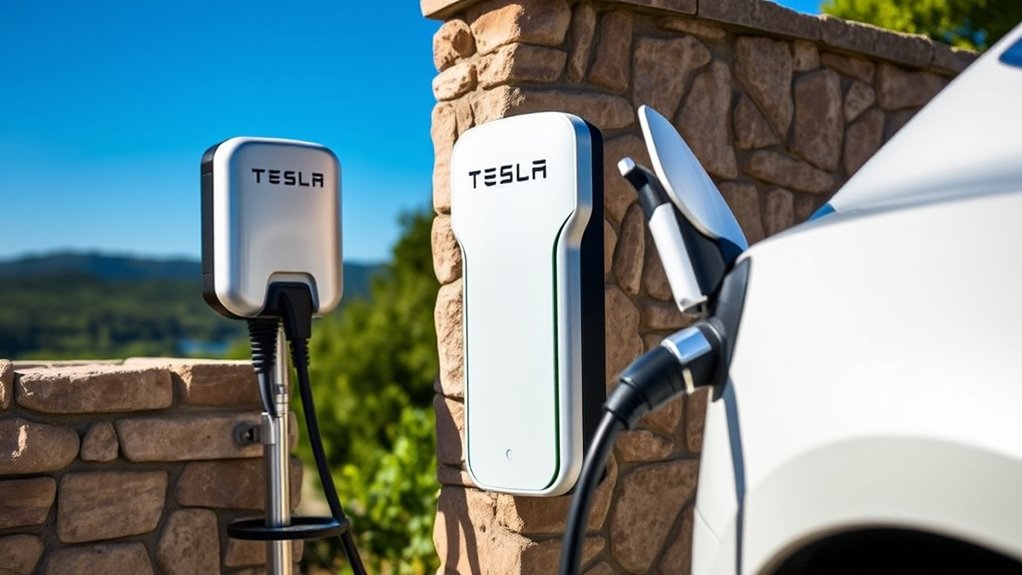
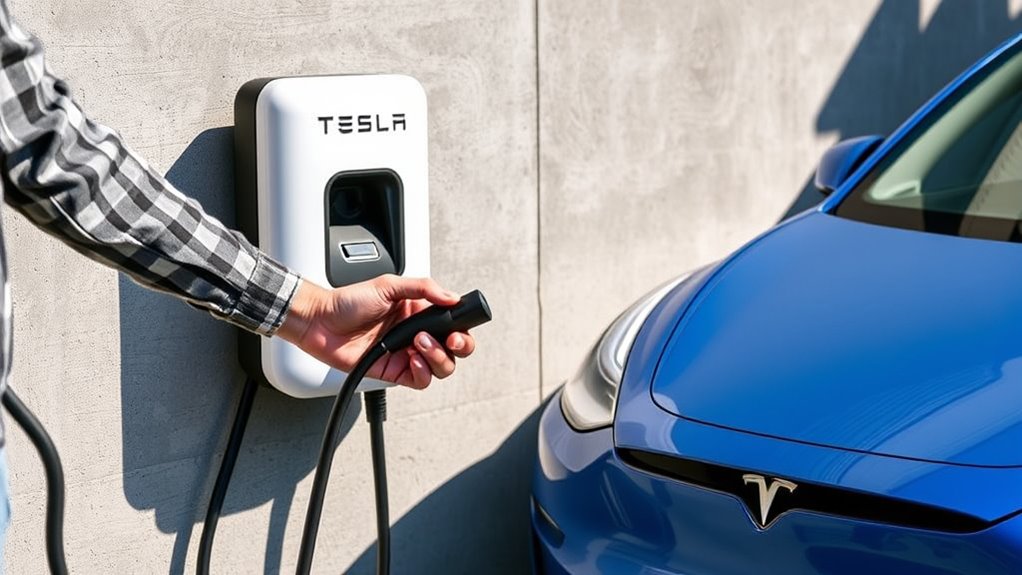
Tesla Destination Chargers are designed primarily for Tesla vehicles, but many non-Tesla electric car owners wonder if they can also use these stations. The answer depends on several factors, mainly charging compatibility and the type of adapter you have. While Tesla chargers use a proprietary connector in North America, the station’s charging power levels are compatible with other EVs, provided you have the right equipment. However, it’s important to understand that not all adapters are created equal, and there are limitations you need to be aware of to avoid inconvenience or even damage.
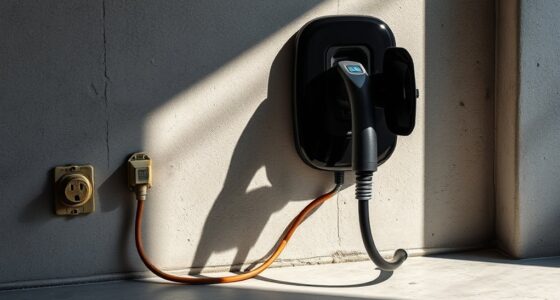
Charging compatibility is a key consideration when attempting to use a Tesla Destination Charger with a non-Tesla EV. Tesla’s charging stations are often equipped with the North American Standard (J1772) connector, which is widely used across various electric vehicles. If the station has a J1772 port, your non-Tesla EV can directly connect without an adapter. Many non-Tesla EVs, such as Chevrolet Bolts or Nissan Leafs, are compatible with J1772 chargers, making charging straightforward. However, some Tesla stations are configured to automatically detect the vehicle type and may not support non-Tesla vehicles without additional hardware.
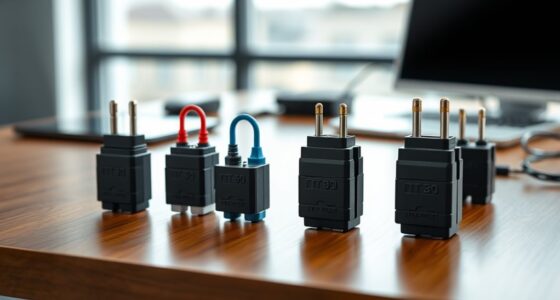
This is where adapters come into play. A common solution is a J1772 to Tesla connector adapter, which allows non-Tesla EVs with a J1772 port to plug into Tesla stations. But, keep in mind that adapter limitations exist. Not all adapters support fast charging or the full power output of the station. For example, some lower-quality adapters may only transfer a basic level of power, which means your charging speed could be considerably reduced. Additionally, certain adapters are designed specifically for use with Tesla vehicles and may not work reliably with other EV brands. Always check the specifications of the adapter to ensure compatibility with your vehicle and the station’s charging capabilities. Furthermore, the presence of European-style connectors can affect compatibility depending on your location.
Another limitation involves the station’s firmware and software. Some Tesla Destination Chargers are programmed to recognize only Tesla vehicles, which can prevent non-Tesla cars from initiating charging sessions. Even if you have a compatible adapter, the station might refuse to deliver power due to software restrictions. In such cases, using a third-party or certified adapter, or locating stations specifically marked as compatible with non-Tesla EVs, becomes necessary.
Frequently Asked Questions
Can I Use a Tesla Destination Charger Without Any Adapter?
No, you can’t use a Tesla Destination Charger without an adapter. Charger compatibility varies, and Tesla Destination Chargers are designed specifically for Tesla vehicles. To connect your non-Tesla EV, you’ll need the proper adapter, as these chargers typically require one to guarantee a secure, compatible connection. Without an adapter, your non-Tesla EV won’t be able to use the Tesla Destination Charger safely or effectively.
Are Tesla Destination Chargers Compatible With All Non-Tesla EVS?
Tesla destination chargers aren’t compatible with all non-Tesla EVs due to charger compatibility issues. You’ll likely need an adapter to connect your vehicle, as Tesla uses a specific charging port and connector. Make sure to verify your EV’s compatibility and whether the necessary adapter requirements are met before attempting to use a Tesla destination charger. This ensures safe, efficient charging without damaging your vehicle or the charger.
How Long Does It Take to Charge a Non-Tesla EV at a Tesla Destination Charger?
Charging a non-Tesla EV at a Tesla Destination Charger can be surprisingly quick, often taking around 4 to 8 hours depending on your vehicle’s charging speed and the station’s output. While Tesla’s charging infrastructure is impressive, non-Tesla EVs may not utilize the full power available. Expect a slower charge compared to Tesla vehicles, but it’s still a convenient way to top off your battery during long trips.
Is There a Risk of Damaging My Non-Tesla EV When Using a Tesla Charger?
Using a Tesla charger with your non-Tesla EV generally doesn’t pose a risk if you prioritize charger safety and verify adapter compatibility. Always use a certified, compatible adapter designed for your vehicle model. Double-check that all connections are secure before charging. If you follow manufacturer instructions and use approved adapters, you minimize the risk of damage and ensure a safe, efficient charging experience.
Do I Need to Create a Tesla Account to Access Destination Chargers?
You don’t need a Tesla account to access Destination Chargers with a non-Tesla EV. Tesla allows some non-Tesla vehicles to use Destination Chargers via adapters, but you might need to create a Tesla account if the station requires app-based access or registration. Check the specific charger’s access policies and verify your adapter is compatible. Having a Tesla account can sometimes streamline the process, but it’s not always mandatory for use.
Conclusion
Now that you know how to use Tesla Destination Chargers with a non-Tesla EV, you can confidently expand your charging options. Keep in mind, over 80% of EV owners prefer public charging stations for convenience. By using the right adapters, you tap into Tesla’s extensive network, saving time and easing range anxiety. With proper knowledge, you maximize charging opportunities and keep your EV ready for your next adventure.