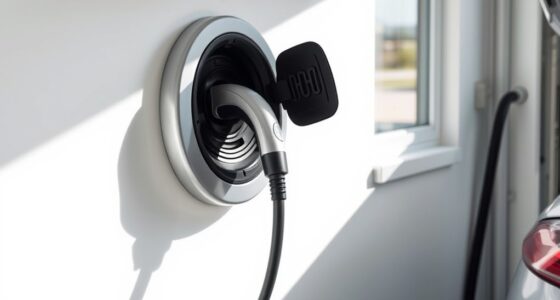
Installing a home EV charger costs between $300 and $2,000 depending on the charger type and installation complexity. You may need electrical upgrades or permits, which can add to expenses, especially in older homes. To save, consider choosing a Level 1 charger, explore rebates, or hire professionals for safe, efficient setup. Keep in mind, your total cost varies based on your home’s electrical capacity. Continue to learn tips that can help you cut costs without sacrificing safety.
Key Takeaways
- Installation costs vary based on charger type, installation complexity, and electrical system upgrades, ranging from $300 for Level 1 to over $10,000 for DC fast chargers.
- Assess your home’s electrical capacity; upgrades may be necessary, adding to total expenses but ensuring safe, efficient charging.
- Permits, inspections, and potential wiring modifications are additional costs to consider for compliance and safety.
- Hiring licensed professionals ensures proper installation and safety, though DIY options can save money if you have electrical expertise.
- Maximize savings by researching rebates, using affordable certified chargers, and integrating renewable energy solutions like solar.

ChargePoint HomeFlex Level 2 EV Fast Charger, J1772, Smart, Hardwired, 50A
- Reliable Home Charging: Builds dependable EV charging stations
- 24/7 Support: Around-the-clock assistance available
- Mobile App Control: Manage charger via smartphone app
As an affiliate, we earn on qualifying purchases.
As an affiliate, we earn on qualifying purchases.
Factors Influencing the Cost of a Home EV Charger

Several factors can influence the overall cost of installing a home EV charger, making it important to understand what drives these expenses. One key factor is charging station placement; placing your charger in a convenient, accessible spot might require additional wiring or structural modifications, increasing costs. You should also consider the distance from your electrical panel, as longer runs can raise installation expenses. Conducting a thorough cost comparison helps identify the most affordable options and avoid overspending. The type of installation—whether a simple wall-mounted charger or a more complex setup—also impacts the price. Additionally, considering electricity consumption patterns can help you select energy-saving options that reduce ongoing electricity costs. Proper planning and understanding home electrical wiring can prevent costly mistakes during installation. Being aware of installation regulations and permits can also influence your overall expenses and ensure compliance with local codes. Moreover, understanding load capacity and ensuring your electrical system can support the charger is crucial for safe and efficient operation. By weighing these factors carefully, you can better estimate your total installation costs and make informed decisions that suit your budget and needs.

Joinfworld EV Charger Holder Wall Mount Kit
- EV Charger Holster: Provides a dock for the charger plug
- Cable Organizer: Keeps cables tidy and tangle-free
- Charger Box Holder: Supports and secures the charging box
As an affiliate, we earn on qualifying purchases.
As an affiliate, we earn on qualifying purchases.
Types of Chargers and Their Price Ranges

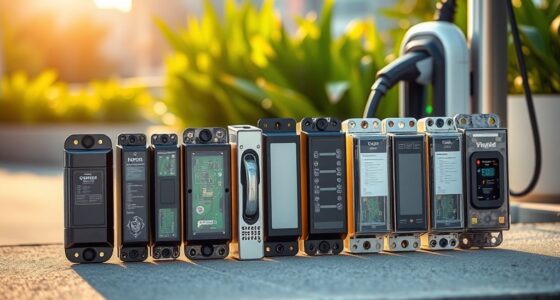
Choosing the right type of home EV charger is essential because it directly affects your overall costs and charging convenience. There are several charger types to contemplate, including Level 1, Level 2, and DC fast chargers. Level 1 chargers are the most affordable, typically costing $300 to $600, but they charge slowly and often require no additional installation costs. Level 2 chargers, which are faster, range from $500 to $2,000, with installation costs varying depending on your home’s electrical system. DC fast chargers are the most powerful, but they’re rarely used for home installations and can cost over $10,000, including installation. Understanding these charger types and their price ranges helps you make informed decisions that balance upfront costs with long-term convenience. Electrical system upgrades can also influence your choice, especially if you plan to monitor or optimize your charging setup. Additionally, considering power capacity is important to ensure your home electrical system can support the charger you select. Being aware of charging speed is also crucial, as it impacts how quickly your vehicle can be ready for your next trip.

Autel MaxiCharger Level 2 Electric Vehicle (EV) Charger, up to 80 Amp Fast Charging EV Charger Level 2, Integrated Cloud with AI, Indoor/Outdoor Charging Stations J1772, Hardwired
- Smart App Control: Schedule, monitor, and control remotely
- High-Speed Charging: Up to 80A for rapid EV charging
- Long-Range Performance: Adds 70 miles per hour of charge
As an affiliate, we earn on qualifying purchases.
As an affiliate, we earn on qualifying purchases.
Assessing Your Home’s Electrical System Needs

Before installing an EV charger, you need to evaluate your home’s electrical capacity to handle the additional load. Check if your current panel can support a new charger or if a panel upgrade is necessary. Also, consider your future charging needs to guarantee your system can accommodate increased demand down the line. To ensure proper installation, consult with a licensed electrician to assess your system’s electrical capacity and explore potential upgrades. Understanding your existing electrical system can help you make informed decisions about necessary improvements and avoid unexpected costs. Additionally, it’s essential to consider how your home’s electrical infrastructure might impact the overall installation process and future scalability. Being aware of your breadth of electrical components can further assist in planning your upgrade effectively. Recognizing the importance of component compatibility can ensure your new charger integrates seamlessly with your current setup.
Existing Electrical Capacity
Evaluating your home’s electrical capacity is a crucial first step in installing a home EV charger. You need to understand your current power grid’s limits and how much energy your household consumes daily. Check your main breaker to see its total amperage and verify if it can support additional loads without stressing the system. Older homes might have limited capacity, which could affect energy efficiency and increase costs if upgrades are necessary. Appraising your existing electrical system helps you determine whether your home can handle the charger or if upgrades are needed. This step prevents surprises during installation and ensures you choose an energy-efficient setup, saving you money in the long run. Proper evaluation ensures your home’s electrical system supports your EV charging needs smoothly and safely.
Panel Upgrade Requirements
How do you determine if your electrical panel can handle a home EV charger? First, check your panel’s current capacity and compare it to your charger’s requirements. If your panel is insufficient, a upgrade may be necessary to ensure charger compatibility and maintain your home’s energy efficiency.
Use this quick reference:
| Panel Capacity | Charger Power Needs | Upgrade Needed? |
|---|---|---|
| 100-125 amps | 16-32 amps | Possibly |
| 150-200 amps | 40-80 amps | Likely |
| Over 200 amps | 40+ amps | Usually fine |
If your current setup doesn’t meet these needs, consult an electrician. Upgrading ensures safe, efficient charging without overloading your system.
Future Charging Demands
As you consider upgrading your electrical panel for a home EV charger, it’s important to think beyond current needs and plan for future charging demands. Your home’s electrical system should accommodate increased power requirements as electric vehicles become more common. A smart grid connection can help manage this demand efficiently, allowing for better load balancing and energy distribution. Additionally, consider how renewable energy sources, like solar panels, will integrate into your system to support future charging needs sustainably. By evaluating your future energy consumption, you’ll ensure your electrical system is prepared for higher loads. Proper planning now can prevent costly upgrades later and optimize your home’s ability to adapt to evolving charging requirements. Electrical system capacity is a crucial factor to ensure your home can handle increased energy needs over time. Incorporating load management systems can further enhance your setup by distributing energy more effectively and reducing strain on your electrical infrastructure. Considering the potential for future energy demands now can help you make informed decisions and avoid unexpected expenses. Also, assessing your home’s current electrical panel capacity can identify whether an upgrade is necessary to support higher loads in the future.

Wallbox Pulsar Plus Level 2 Ev Charger 48A, Electric Car Charger EVSE J1772
- Fast Charging Speed: Up to 45 miles per hour
- High Power Output: 11.5 kWh with adjustable current
- Universal Compatibility: Works with all EVs (adapter for Tesla)
As an affiliate, we earn on qualifying purchases.
As an affiliate, we earn on qualifying purchases.
Installation Expenses and Potential Additional Work

Installing a home EV charger can involve more than just plugging in the unit; you may encounter additional expenses for electrical upgrades, permits, or specialized labor. The charging station location influences costs—if you choose a spot far from your main electrical panel, you might need to install new wiring or upgrade existing circuits. Proper cable management is essential for safety and aesthetics, which can add to your expenses if you need custom mounts or conduits. Sometimes, the electrician may recommend reinforcement of your electrical system or additional wiring to meet safety standards. These extra steps, while increasing your initial investment, ensure your charger functions safely and efficiently. Additionally, considering electrical system upgrades or accessories can enhance your setup and safety. Be prepared for potential costs beyond the charger itself, especially if your home’s electrical system requires significant work, and consulting professional electricians can help accurately assess your needs. Incorporating smart home integration features can also optimize your charging setup and improve overall energy management. Moreover, understanding the regulatory requirements in your area can help prevent unexpected delays or expenses during installation.
Permitting and Inspection Fees

Permitting and inspection fees are essential steps in ensuring your home EV charger installation complies with local safety and building codes. These fees help verify that your setup meets electrical safety standards, preventing potential hazards. When applying for permits, you’re also ensuring your home automation system integrates seamlessly with the new charger, avoiding future compatibility issues. While these costs can vary based on your location and project scope, they’re a necessary investment in safety and compliance. Skipping permits might save money upfront but could lead to fines or costly rework if inspected later. Understanding these fees upfront allows you to budget accurately and avoid surprises, making the process smoother and ensuring your home remains safe and future-ready.
Hidden Costs to Be Aware Of

Beyond the initial installation, you might face unexpected costs like permit and inspection fees or the need for electrical system upgrades. These hidden expenses can add up quickly if you’re not prepared. It’s important to contemplate ongoing maintenance costs that could impact your long-term budget.
Permit and Inspection Fees
Have you considered that permit and inspection fees can unexpectedly increase your overall installation costs? When installing your charging station, local authorities often require permits to ensure safety and code compliance. These fees vary depending on your location. To avoid surprises, keep in mind:
- The cost depends on local regulations and can range widely.
- Inspection fees may be separate from permit costs.
- Upgrading electrical wiring or panels might trigger additional charges.
- Delays in inspections can lead to extra expenses.
These fees are essential for safety, but knowing about them beforehand helps you budget wisely. Remember, permit and inspection costs are a small part of the total but can still impact your overall investment in a home EV charger.
Electrical System Upgrades
Installing a home EV charger might seem straightforward, but many homeowners overlook potential electrical system upgrades that can add to the cost. If your current electrical panel isn’t rated for the charger’s power demands, you may need a panel upgrade, which can be costly. Additionally, if you’re considering battery storage or solar integration, these systems often require specialized wiring and components, further increasing expenses. Upgrading your electrical system guarantees safe, reliable charging but adds to the overall project cost. You might also need to install a dedicated circuit for your charger or enhance your home’s wiring capacity. Planning for these upgrades early can help prevent unexpected expenses later. Remember, these hidden costs are essential for a safe and efficient charging setup, especially when incorporating renewable energy solutions.
Ongoing Maintenance Costs
Ongoing maintenance costs for your home EV charger can catch you off guard if you’re not prepared. Regular upkeep is essential to guarantee ideal performance and extend charger lifespan. Neglecting this can lead to costly repairs or replacements. Here are key areas to monitor:
- Battery maintenance: Keep the EV’s battery in good condition to prevent long-term damage and ensure efficient charging.
- Charger inspections: Periodically check for loose connections or wear that could reduce lifespan.
- Software updates: Keep firmware current to avoid glitches and maintain compatibility.
- Cleaning: Remove dust and debris to prevent overheating and maintain efficiency.
DIY vs. Professional Installation: Pros and Cons

Deciding between DIY and professional installation depends on your skills, budget, and safety considerations. If you have basic electrical knowledge and feel comfortable handling wiring complexity, a DIY approach can save you money. However, installing an EV charger involves precise wiring and adherence to local codes, making proper contractor selection critical. Professional installers bring expertise, ensuring safety and compliance, especially if your home’s wiring system is complex. They also typically offer warranties, providing peace of mind. On the downside, professional services come with higher upfront costs. If you lack electrical experience or your wiring setup is complicated, hiring a licensed contractor minimizes risks and potential future expenses. Weigh your skills against the installation’s demands to choose the best option for your situation.
Incentives and Rebates to Reduce Expenses

Taking advantage of incentives and rebates can substantially cut the overall cost of installing a home EV charger. Many government incentives and rebate programs are designed to promote clean energy adoption. To maximize savings, consider these steps:
Maximize savings by leveraging incentives and rebates for your home EV charger installation.
- Research local, state, and federal rebate programs available for EV charger installation.
- Check eligibility criteria and application deadlines to ensure you qualify.
- Combine multiple incentives when possible, such as utility rebates alongside government incentives.
- Keep all receipts and documentation to streamline the rebate claim process.
Tips for Saving Money Without Compromising Safety

You can save money on installing a home EV charger by making smart choices while ensuring safety isn’t compromised. Focus on selecting a charging station with appealing aesthetics that blend seamlessly with your home’s design. Opt for models with user interface features that are intuitive, reducing installation and learning costs. Before purchasing, compare options to find affordable chargers that meet safety standards. Proper installation by a qualified electrician is essential, preventing future expenses from damage or hazards. Here’s a quick comparison:
| Feature | Benefit |
|---|---|
| Attractive aesthetics | Enhances home appearance |
| User interface features | Easier, safer operation |
| Cost-effective models | Save upfront costs |
| Certified safety standards | Protects your home and family |
| Professional installation | Prevents costly errors |
Making informed choices keeps your investment safe and budget-friendly.
Frequently Asked Questions
How Long Does It Typically Take to Install a Home EV Charger?
If you’re installing a home EV charger, it usually takes about 4 to 8 hours. For example, a straightforward installation at a new build home might be completed in a day. Your installation timeline depends on factors like the complexity of your electrical system and the contractor’s schedule. Choosing a qualified contractor early guarantees a smoother process and helps you set realistic expectations for your installation.
Are There Specific Brands Recommended for Cost-Effective Chargers?
For a cost-effective charging station, consider brands like ClipperCreek, Lectron, and ChargePoint. These brands offer reliable, affordable options that fit various budgets and needs. ClipperCreek is known for durability, while Lectron provides budget-friendly choices. ChargePoint offers smart features if you want advanced capabilities. When selecting a brand, think about compatibility with your EV and future-proof features to guarantee your investment pays off over time.
What Maintenance Is Required After Installing an EV Charger?
You’ll want to keep your charger in good shape, which means periodic checks for charger durability and wiring integrity. Regular electrical inspections ensure everything functions safely and efficiently, preventing small issues from becoming costly repairs. Most maintenance involves cleaning the charger and inspecting connections, especially after severe weather. By staying proactive, you safeguard your investment and keep your EV charging experience smooth and reliable for years to come.
Can Existing Wiring Be Upgraded for EV Charger Compatibility?
Yes, your existing wiring can often be upgraded for EV charger compatibility. You should assess your home’s electrical capacity and consider a wiring upgrade to handle the additional load. An electrician can determine if your current wiring is sufficient or if it needs reinforcement. Upgrading wiring ensures safe, efficient charging and prevents overloads, making your home ready for your EV’s power needs without costly repairs or hazards.
How Does Future Home Resale Value Benefit From Installing an EV Charger?
Installing an EV charger boosts your home’s resale value and offers future benefits, as more buyers seek eco-friendly features. It signals that your home is ready for electric vehicles, making it more attractive and competitive in the market. Plus, it saves you money on charging costs. Overall, the investment in a home EV charger enhances your property’s appeal now and provides long-term advantages for future resale opportunities.
Conclusion
Don’t let fear hold you back from charging your electric vehicle at home. With careful planning and exploring rebates, you can save money while ensuring safety. Installing a home EV charger may seem costly, but the convenience and long-term savings are worth it. Take the first step today—your future self will thank you for making a smarter, eco-friendly choice. You’ve got this—embrace the change and enjoy the journey to greener driving!