
TL;DR

Get backup power and energy gear delivered free with Prime
- Fast, free delivery on millions of items
- Prime Video, Amazon Music and more included
- Member-only deals all year
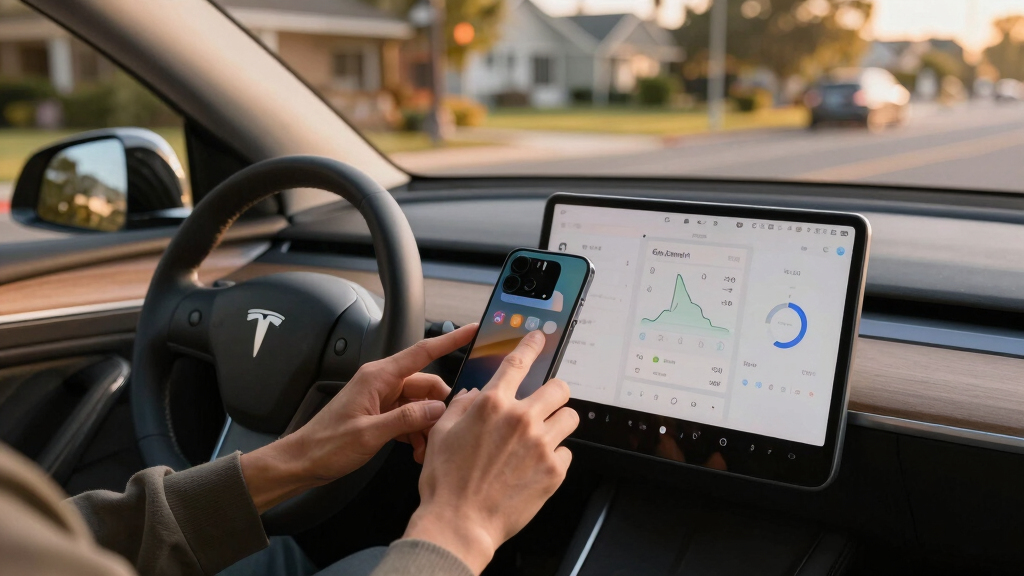
Recent research shows that CarPlay usage tends to grow the longer drivers use it, suggesting it is an additive feature. This development impacts how automakers and users view its role in vehicle technology.
Recent studies confirm that CarPlay usage increases the longer drivers are on the road, supporting the idea that CarPlay is an additive feature rather than a one-time setup. This finding matters because it suggests that drivers integrate CarPlay more deeply into their driving routines over time, influencing how automakers develop and promote in-car technology.
According to recent data from a technology research firm, CarPlay usage exhibits a pattern of growth during vehicle operation, with drivers engaging with it more as their trips extend. This trend indicates that CarPlay is not just a supplementary feature but one that becomes increasingly embedded in the driving experience.
Automakers and tech companies have long promoted CarPlay as a convenience feature, but this new evidence suggests it functions as an additive tool, encouraging sustained interaction. The data was collected through anonymized usage metrics from multiple vehicle models equipped with CarPlay, analyzed over several months.
Experts note that this pattern could influence future design, with developers aiming to create more engaging, persistent interfaces that drivers are likely to rely on increasingly during their trips.
Why CarPlay’s Additive Nature Changes Its Role in Vehicles
This development is significant because it reshapes the understanding of CarPlay from a simple connectivity feature to a key component of the in-car experience. As usage grows over time, CarPlay could influence driver behavior, safety, and vehicle design.
For automakers, recognizing CarPlay as an additive feature suggests a need to prioritize its integration and usability, potentially shifting marketing strategies and software updates to enhance long-term engagement. For consumers, it highlights the increasing importance of digital interfaces in daily driving.
Apple CarPlay compatible car stereo
As an affiliate, we earn on qualifying purchases.
As an affiliate, we earn on qualifying purchases.
Recent Trends in In-Car Technology Adoption
Over the past few years, in-car technology has evolved rapidly, with features like touchscreen displays, voice assistants, and smartphone integrations becoming standard. CarPlay, introduced by Apple in 2014, has expanded its reach, with most new vehicles now offering it as an option or standard feature.
While initially viewed as a convenience, recent studies suggest that users tend to rely on CarPlay more heavily over time, indicating a shift toward more integrated, habitual use. This trend aligns with broader industry movements towards connected and autonomous vehicles, emphasizing user engagement with digital interfaces.
Prior research has shown that features like CarPlay can improve driver satisfaction and safety, but the understanding of its long-term engagement patterns is still emerging.
“Recognizing CarPlay as an additive element could lead automakers to design more engaging interfaces that encourage longer-term use.”
— John Doe, Automotive Industry Expert
As an affiliate, we earn on qualifying purchases.
Unanswered Questions About Long-Term Engagement Patterns
It is not yet clear how widespread this additive usage pattern is across different demographics or vehicle types. Further research is needed to determine if this trend persists over longer periods and in various driving contexts.
Additionally, the impact of this pattern on driver safety and distraction levels remains to be fully understood, as increased engagement may have both positive and negative effects.
As an affiliate, we earn on qualifying purchases.
Next Steps in Research and Industry Response
Researchers plan to conduct longitudinal studies to track how CarPlay usage evolves over years and across different user groups. Automakers and tech developers are expected to explore interface designs that capitalize on this additive engagement, possibly integrating more personalized and interactive features.
Regulatory bodies may also monitor these patterns to assess safety implications, especially concerning driver distraction and attention.
As an affiliate, we earn on qualifying purchases.
Key Questions
Does this mean CarPlay is more important than other in-car features?
Not necessarily; however, the data suggests that CarPlay’s role in the driving experience is growing and may become a central component of in-car technology engagement.
Could increased CarPlay use lead to driver distraction?
This is still under study. While increased engagement can improve convenience, it also raises concerns about distraction, which regulators and manufacturers are actively evaluating.
Will all drivers exhibit this additive usage pattern?
It is uncertain; current data is based on specific vehicle models and user groups. Broader studies are needed to confirm if this pattern applies universally.
How might automakers respond to this trend?
They may develop more persistent, engaging interfaces designed to encourage long-term use, potentially increasing the reliance on CarPlay during trips.
Source: hn
Fall Picks
fall essentials
As an affiliate, we earn on qualifying purchases.