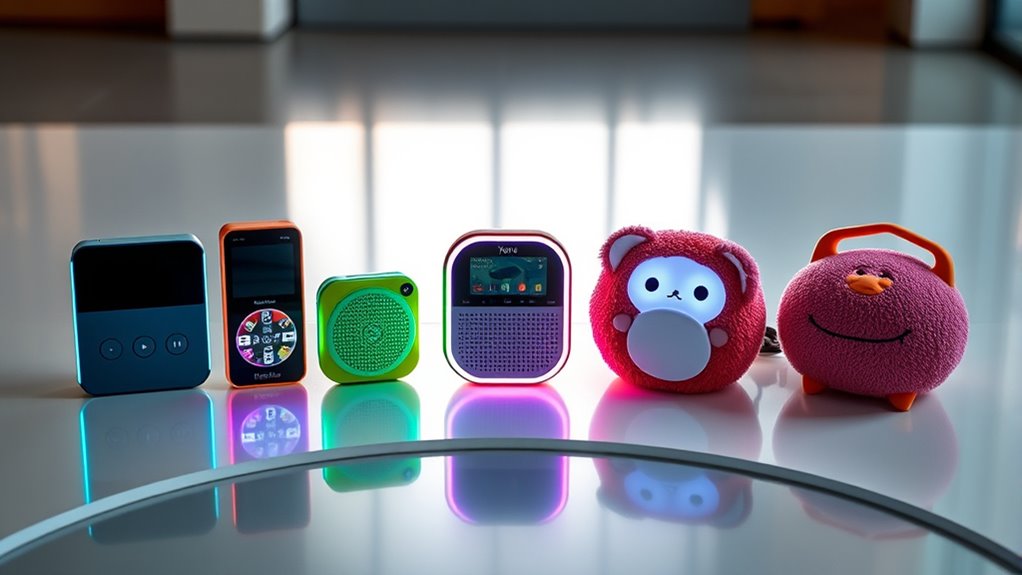

Choosing the right audio device for your child can be challenging with options like the Yoto player and Toniebox. The Yoto Mini (2024 Edition) stands out for its portability and extensive content library, making it ideal for travel and active kids. The Toniebox, though not reviewed here, is known for its durable, interactive design and physical figurines, which appeal to younger children. This comparison focuses on the latest Yoto models, highlighting their strengths and tradeoffs against each other and how they stack up against Toniebox’s unique approach.

Get backup power and energy gear delivered free with Prime
- Fast, free delivery on millions of items
- Prime Video, Amazon Music and more included
- Member-only deals all year
Key Takeaways
- Yoto devices excel in customizable content and long battery life, but rely on physical cards which can be lost.
- Toniebox offers a more tactile, durable experience with figurines, suitable for younger children who enjoy physical play.
- All options prioritize screen-free entertainment, but Yoto‘s extensive content library appeals to older kids, while Toniebox’s simplicity suits preschoolers.
- Choosing depends on whether you prefer digital customization or physical interaction and durability.
- Battery life varies from 14 to 16 hours, influencing how long children can enjoy uninterrupted play.
| Yoto Mini (2024 Edition) Kids Travel Audio Player, Screen-Free, Ages 3-12 |  | Best for Portability and Content Variety | Battery Life: Up to 14 hours | Display: Pixel display | Content: Over 1000+ cards | VIEW ON AMAZON | See Our Full Breakdown |
| YOTO Player (3rd Gen.) + Kids Disney Classics Bundle – Screen-Free, Ages 4+ |  | Best for Disney Fans and Nighttime Use | Audio Output Mode: Stereo | Mounting Type: Speaker | Internal Memory: 32GB | VIEW ON AMAZON | See Our Full Breakdown |
| YOTO Player (3rd Gen.) + Starter Pack for Little Kids Bundle – Kids Bluetooth Audio Speaker, Screen-Free Device for Stories, Music, Podcasts, Radio, Nightlight |  | Best for All-in-One Educational Play | Audio Output Mode: Stereo | Mounting Type: Speaker | Internal Memory: 32GB | VIEW ON AMAZON | See Our Full Breakdown |
| YOTO Player (3rd Gen.) – Kids Audio Player, Screen-Free, Ages 3-12 |  | Best for Versatile, Long-Lasting Play | Display: Pixel display | Battery Life: Up to 16 hours | Internal Storage: 32GB | VIEW ON AMAZON | See Our Full Breakdown |
| yoto player vs toniebox review | Battery Life | Connectivity | Display | Age Range |
|---|---|---|---|---|
| Yoto Mini | Up to 14 hours | — | Pixel display | 3-12+ |
| YOTO Player | 16 hours | Bluetooth, Wi-Fi | — | — |
| YOTO Player | Up to 16 hours | Bluetooth, Wi-Fi | — | — |
| YOTO Player | Up to 16 hours | USB-C | Pixel display | 3-12+ |
More Details on Our Top Picks
Yoto Mini (2024 Edition) Kids Travel Audio Player, Screen-Free, Ages 3-12
The Yoto Mini (2024 Edition) shines with its lightweight, travel-friendly design and extensive content library. Its physical card system promotes independent selection without screens, making it ideal for on-the-go use. Compared with other Yoto models, this one offers a longer battery life of up to 14 hours, but its reliance on physical cards can be a drawback if they are misplaced. It’s best suited for active children who enjoy a wide range of audiobooks, music, and educational content, but less ideal if you prefer streaming or digital management.
Pros:- Screen-free and child-friendly design
- Long battery life up to 14 hours
- Extensive content library with over 1000+ cards
- Versatile functions including sleep sounds and timers
Cons:- Requires physical cards for content, which may be lost
- Limited to audio content, no visual or interactive features
- Dependent on app for some controls
Best for: Children aged 3-12 who need a portable, screen-free device with diverse content
Not ideal for: Parents seeking a device with streaming capabilities or minimal physical card management
- Battery Life:Up to 14 hours
- Display:Pixel display
- Content:Over 1000+ cards
- Control:Physical dials and app
- Age Range:3-12+
- Weight:Not specified
Our verdict“Ideal for active kids who enjoy a wide variety of audio content and value portability, despite the need to manage physical cards.”
YOTO Player (3rd Gen.) + Kids Disney Classics Bundle – Screen-Free, Ages 4+
The YOTO Player (3rd Gen.) combines a sturdy, screen-free design with Disney-themed content, making it particularly appealing for children aged 4 and above. Its features include a nightlight, parental controls, and Bluetooth connectivity, providing a cozy, engaging experience. Compared to simpler models, this device offers a more visually appealing design and themed content, but it still relies solely on physical cards and audio content. It’s best for Disney-loving children who enjoy themed stories and a multifunctional device.
Pros:- Includes Disney story cards
- Nightlight and alarm functions
- Parental controls and Bluetooth connectivity
- Long battery life of 16 hours
Cons:- Limited to audio content; no visual or video features
- Requires charging for extended use
- Some setup complexity with app controls
Best for: Children aged 4+ who love Disney and need a device with nightlight and parental controls
Not ideal for: Kids who prefer visual or interactive media beyond audio stories
- Audio Output Mode:Stereo
- Mounting Type:Speaker
- Internal Memory:32GB
- Night Light:Ambient
- Battery Life:16 hours
- Connectivity:Bluetooth, Wi-Fi
Our verdict“Best for Disney fans and parents seeking a multifunctional, screen-free device with themed content and nightlight features, despite limited interactivity.”
YOTO Player (3rd Gen.) + Starter Pack for Little Kids Bundle – Kids Bluetooth Audio Speaker, Screen-Free Device for Stories, Music, Podcasts, Radio, Nightlight
This YOTO Player (3rd Gen.) bundle is designed for broad educational and entertainment use, including stories, music, and podcasts. Its vivid display, long battery life of up to 16 hours, and multiple functions like nightlight, thermometer, and alarm make it a versatile addition to any child’s routine. Compared to simpler models, this offers a richer feature set, but its dependence on physical cards and app controls may be a hassle for some parents. It’s perfect for children who enjoy varied content and interactive features in a screen-free format.
Pros:- Wide content support including stories, music, podcasts
- Long battery life and fast USB-C charging
- Supports a variety of functions (nightlight, thermometer)
- Screen-free and child-safe
Cons:- Requires physical audio cards, which may need additional purchase
- Limited to Bluetooth and Wi-Fi connectivity
- Plastic enclosure may be less durable
Best for: Children who thrive on diverse, educational audio content and multifunctionality
Not ideal for: Parents preferring streaming-only or minimal physical content management
- Audio Output Mode:Stereo
- Mounting Type:Speaker
- Internal Memory:32GB
- Battery Capacity:4500 mAh
- Battery Life:Up to 16 hours
- Connectivity:Bluetooth, Wi-Fi
Our verdict“Ideal for active, curious children who benefit from varied content and multifunctional devices, though physical cards may add inconvenience.”
YOTO Player (3rd Gen.) – Kids Audio Player, Screen-Free, Ages 3-12
The YOTO Player (3rd Gen.) is a robust, all-around screen-free device with a vivid pixel display and long-lasting 16-hour battery. Its large internal storage supports over 600 hours of offline content, making it suitable for extended trips and daily use. Unlike some models, it emphasizes a curated, safe listening experience with physical cards, but without visual interactivity beyond the display. It’s well suited for active children who benefit from a durable, long-lasting device that combines education and entertainment.
Pros:- Encourages independent and creative play
- Long battery life of 16 hours with fast USB-C charging
- Safe, ad-free, curated content
- Numerous functions including nightlight and alarm
Cons:- Requires physical cards for content
- Limited to audio, no visual or video features
- Dependent on external app for some controls
Best for: Children aged 3-12 who need a durable, long-lasting audio device with diverse content
Not ideal for: Users preferring streaming or visual media
- Display:Pixel display
- Battery Life:Up to 16 hours
- Internal Storage:32GB
- Content Capacity:600+ hours
- Connectivity:USB-C
- Age Range:3-12+
Our verdict“Best for active children needing a durable, feature-rich audio device with long battery life, despite reliance on physical cards.”

How We Picked
We evaluated each device based on content flexibility, durability, ease of use, and suitability for different age groups. Devices with long battery life, parental controls, and extensive content libraries scored higher. We also considered the convenience of content management—physical cards versus digital controls—and how well each device promotes independent, screen-free play. Our selection balances value, user experience, and the specific needs of children across various age ranges.
| yoto player vs toniebox review | Connectivity |
|---|---|
| Yoto Mini | — |
| YOTO Player | Bluetooth, Wi-Fi |
| YOTO Player | Bluetooth, Wi-Fi |
| YOTO Player | USB-C |
Factors to Consider When Choosing Yoto Player Vs Toniebox Review
When choosing between Yoto players and Toniebox, consider your child’s age, content preferences, and your priorities around durability and content management. Yoto offers extensive digital content, customization, and longer battery life, but relies on physical cards and app controls. Toniebox excels with its physical figurines, durability, and simplicity, especially for younger children who enjoy tactile play. This guide breaks down these factors to help you decide which device aligns best with your child’s needs and your convenience.
Content Flexibility and Management
Yoto devices provide access to over 1000+ cards, offering a wide range of audiobooks, music, and educational content. They are ideal if you want a customizable experience and don’t mind managing physical cards, which can be lost. Toniebox, on the other hand, uses figurines that activate content, making it simpler but less customizable. If you prefer digital control and extensive library options, Yoto is the better choice. For ease of use and durability, Toniebox’s physical figurines make setup straightforward.
Durability and Design
Tonies are renowned for their robust, kid-proof design, perfect for active or younger children who might be rougher with devices. Yoto players, while sturdy, feature plastic enclosures and delicate physical cards, which may be less resilient. If your child tends to be energetic or prone to dropping devices, Toniebox’s rugged construction offers peace of mind. Conversely, Yoto’s sleek, screen-free design appeals to those who value portability and a modern aesthetic.
Age Range and Content Type
Yoto models cater to a broad age range—starting as young as 3 and up to 12+—with content suited for early learners and older kids. Their screens and extensive content encourage independent exploration. Toniebox is primarily aimed at preschoolers and early elementary children, with simple figurines and content geared toward younger kids. If your child is older and enjoys more varied content, Yoto offers more variety. For younger children who benefit from physical play and simple interactions, Toniebox remains a top pick.
Connectivity and Power
Yoto devices tend to feature Wi-Fi and Bluetooth, supporting updates and streaming, alongside physical card playback. They generally have long battery life—up to 16 hours—making them suitable for outings. Toniebox relies on Wi-Fi for content downloads and is designed to be durable, often with replaceable batteries or rechargeable options. If you want a device that can handle extended use without frequent charging, Yoto’s longer battery life is advantageous. For quick setup and minimal fuss, Toniebox’s simpler connectivity works well.
Frequently Asked Questions
Are Yoto devices suitable for very young children?
Yes, Yoto devices are designed to be safe for children aged 3 and up. Their screen-free, physical-card system minimizes screen time and offers a safe, curated listening experience. However, younger children might need supervision to handle physical cards and navigate controls, especially for the first time.
Can I stream content on Yoto devices?
Most Yoto models focus on offline content via physical cards and do not support streaming directly. They do have Bluetooth and Wi-Fi capabilities for updates and connecting to external speakers, but their primary content is curated through the physical library. If streaming is a priority, other devices or models with integrated streaming services may be better suited.
Is the Toniebox durable enough for active children?
Absolutely. Toniebox is built with a tough outer shell and soft, rounded edges, making it resilient against drops and rough handling. Its design emphasizes durability, making it ideal for younger children or households where devices may endure more wear and tear.
What is the main difference between Yoto and Toniebox in content delivery?
Yoto relies on a large library of physical cards that children can select to play different stories, music, and educational content, emphasizing customization and offline use. Toniebox uses figurines that, when placed on the device, automatically activate preloaded or downloaded content, focusing on simplicity and tactile interaction.
Which device offers better battery life?
Both Yoto and the latest Yoto models typically provide around 14 to 16 hours of playback, making them suitable for long outings. Toniebox’s battery life depends on the model but generally aligns with Yoto’s, ensuring children can enjoy extended listening without frequent recharging.
Conclusion
For parents prioritizing extensive content flexibility, customization, and longer battery life, Yoto devices are the clear choice, especially for children aged 3 to 12. Those looking for a durable, simple, and tactile experience for younger kids should consider Toniebox, which excels in robustness and ease of use. Ultimately, the decision hinges on whether you prefer digital control and variety or physical interaction and durability.