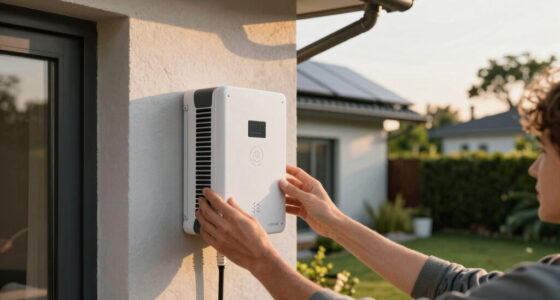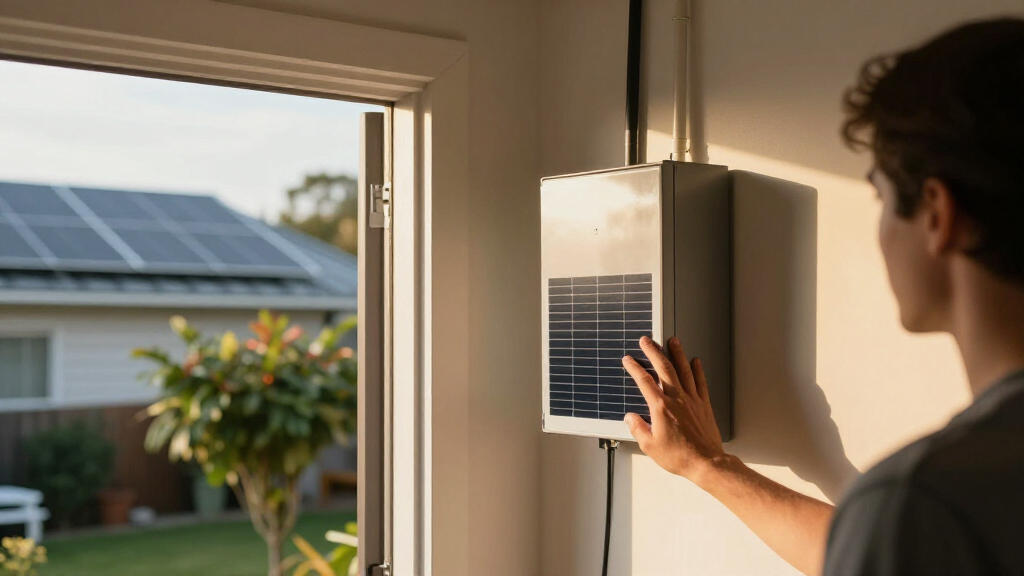

The best home solar battery storage systems depend on whether you need whole-home backup, an off-grid setup, or portable power for a few essentials. My best overall pick is the ECO-WORTHY PowerMega 48V 314Ah Battery and 10kW Hybrid Inverter System, which pairs substantial storage with the equipment needed for a larger fixed installation. The WattCycle 48V rack batteries with a 12kW split-phase inverter stand out for buyers prioritizing inverter capacity, while the Jackery Explorer 5000 Plus offers a more self-contained portable option. The main tradeoff is between expandable capacity and installation complexity on one side, and simpler setup with less storage on the other. Read on for how the 14 options compare and which type of system fits your home.

Get backup power and energy gear delivered free — and shop member deals
- Fast, free delivery on millions of items
- Access to Prime Big Deal Days deals on October 6–7
- Prime Video, Amazon Music and more included
Key Takeaways
- Integrated systems ranked ahead for straightforward planning: the ECO-WORTHY PowerMega battery-and-inverter system combines major storage with a matching hybrid inverter, while separate batteries leave more compatibility work to the buyer.
- Capacity and inverter output answer different questions: a large battery stores more energy, but the WattCycle package’s 12kW split-phase inverter points to a different priority—supporting higher simultaneous loads.
- Rack batteries favor modularity over plug-and-play simplicity: options such as the Wirentech WT5100 and ECO-WORTHY Cubix100 can suit system builders, but need compatible inverters and installation planning.
- Portable power stations serve a different backup job: the Jackery HomePower 3600 Plus, Explorer 5000 Plus, EF ECOFLOW DELTA 3 Classic, and Jackery 1000 v2 trade large fixed-system capacity for easier relocation and simpler use.
- Solar kits reduce component matching but narrow flexibility: the ECO-WORTHY 10kW kit bundles panels and a 16.1kWh battery, while standalone batteries make more sense when a buyer already has compatible solar equipment.
| ECO-WORTHY Powermega 48V 314Ah LiFePO4 Battery, 2-Pack |  | Best for High-Capacity Battery Storage | Chemistry: LiFePO4 | Nominal voltage: 51.2V | Capacity per battery: 314Ah | VIEW LATEST PRICE | See Our Full Breakdown |
| Wirentech WT5100 51.2V 100Ah LiFePO4 Server Rack Battery |  | Best for Modular Rack Expansion | Chemistry: LiFePO4 | Voltage: 51.2V | Capacity: 100Ah | VIEW LATEST PRICE | See Our Full Breakdown |
| ECO-WORTHY Home Solar Panel and LiFePO4 Battery Backup System |  | Best Complete Solar-and-Storage Package | Solar panels: 6 × 590W N-type monocrystalline panels | Battery configuration: 2 × 48V 314Ah LiFePO4 batteries | Usable energy: 30kWh+ | VIEW LATEST PRICE | See Our Full Breakdown |
| WattCycle 48V 100Ah Server Rack Batteries with 12kW Split-Phase Inverter |  | Best for Fast-Transfer Split-Phase Backup | Battery configuration: Two 48V 100Ah LiFePO4 batteries | Total energy storage: 10.24kWh | Inverter output: 120V/240V split-phase, pure sine wave | VIEW LATEST PRICE | See Our Full Breakdown |
| Dawnice 16 kWh 51.2 V 314 Ah LiFePO4 Home Battery with 48 V 10 kW Off-Grid Inverter |  | Best for Single-Battery Off-Grid Backup | Battery chemistry: LiFePO4 | Battery voltage: 51.2V | Battery capacity: 314Ah | VIEW LATEST PRICE | See Our Full Breakdown |
| AOUSK 48V 314Ah LiFePO4 Battery, 16.07 kWh |  | Best for High-Capacity DIY Systems | Chemistry: LiFePO4 | Energy: 16.07 kWh | Model: 51.2V314Ah A | VIEW LATEST PRICE | See Our Full Breakdown |
| ECO-WORTHY PowerMega 48V 314Ah LiFePO4 Battery and 10kW Hybrid Inverter System |  | Best Integrated High-Power System | Battery chemistry: LiFePO4 | Usable energy: 16.1 kWh | Inverter power: 10 kW | VIEW LATEST PRICE | See Our Full Breakdown |
| ECO-WORTHY Cubix100 48V 200Ah LiFePO4 Server Rack Battery |  | Best for Modular Expansion | Battery chemistry: LiFePO4 | Voltage: 51.2 V | Capacity: 200 Ah total (2 × 100 Ah) | VIEW LATEST PRICE | See Our Full Breakdown |
| Jackery HomePower 3600 Plus Portable Power Station with Two 200W Solar Panels |  | Best Portable Solar Backup | Battery capacity: 3,584 Wh | Output wattage: 3,600 W | Parallel output: 7,200 W | VIEW LATEST PRICE | See Our Full Breakdown |
| Dawnice 10 kWh LiFePO4 Solar Battery, 51.2V 206Ah |  | Best for Mid-Size Wall or Floor Storage | Capacity: 10 kWh | Voltage: 51.2 V | Battery chemistry: LiFePO4 | VIEW LATEST PRICE | See Our Full Breakdown |
| ECO-WORTHY 10kW Off-Grid Solar Panel Kit with 16.1kWh Battery |  | Best Complete Off-Grid System | Continuous inverter power: 10,000W | Peak inverter output: 20,000W | Solar panel capacity: 2,950W (5 × 590W panels) | VIEW LATEST PRICE | See Our Full Breakdown |
| EF ECOFLOW DELTA 3 Classic Solar Generator with 220W Solar Panel, 1024Wh |  | Best for Portable Backup and Beginners | Battery capacity: 1,024Wh | Battery chemistry: LiFePO₄ | AC output: 1,800W | VIEW LATEST PRICE | See Our Full Breakdown |
| Jackery Solar Generator 1000 v2 with 200W Solar Panel |  | Best Compact Solar Generator | Battery capacity: 1,070Wh | Battery type: LFP | AC output: 1,500W | VIEW LATEST PRICE | See Our Full Breakdown |
| Jackery Explorer 5000 Plus Portable Power Station with Smart Transfer Switch |  | Best Expandable Home Backup | Battery capacity: 5,040Wh | Surge output: 14,400W | Voltage: 120V/240V | VIEW LATEST PRICE | See Our Full Breakdown |
| home solar battery storage system | Warranty |
|---|---|
| ECO-WORTHY Powermega 48V 314Ah | 10 years |
| Wirentech WT5100 51.2V 100Ah L | 10-year limited manufacturer warranty |
| ECO-WORTHY Home Solar Panel an | — |
| WattCycle 48V 100Ah Server Rac | — |
| Dawnice 16 kWh 51.2 V 314 Ah L | — |
| AOUSK 48V 314Ah LiFePO4 Batter | 5 years |
| ECO-WORTHY PowerMega 48V 314Ah | 10 years |
| ECO-WORTHY Cubix100 48V 200Ah | 10-year limited warranty |
| Jackery HomePower 3600 Plus Po | 5 years |
| Dawnice 10 kWh LiFePO4 Solar B | 5 years |
| ECO-WORTHY 10kW Off-Grid Solar | — |
| EF ECOFLOW DELTA 3 Classic Sol | 5 years |
| Jackery Solar Generator 1000 v | 5 years |
| Jackery Explorer 5000 Plus Por | — |
More Details on Our Top Picks
ECO-WORTHY Powermega 48V 314Ah LiFePO4 Battery, 2-Pack
I’d choose this two-battery set when storage capacity matters more than a compact footprint. Each battery holds 16.07kWh, giving the pair substantial reserve for off-grid use or extended home backup; the 200A active-balancing BMS is designed to manage cell balance as the system operates. A touchscreen plus Wi-Fi and Bluetooth monitoring make system status easier to check than on a more basic rack battery such as the Wirentech WT5100. It also supports expansion to 15 units, so capacity can grow well beyond the included pair. The tradeoff is practical: these are large, heavy batteries delivered by truck on a pallet, so access and installation space need planning. Unlike the complete ECO-WORTHY panel-and-battery system, this package is battery storage rather than a full solar setup.
Pros:- Two batteries provide 32.14kWh of stated total energy capacity.
- 200A BMS with active cell balancing and built-in aerosol fire suppression.
- Touchscreen, Wi-Fi, Bluetooth, and cell-level monitoring support.
- Supports up to 15 units in parallel and includes a 10-year warranty.
Cons:- Large, heavy units require substantial space and careful installation planning.
- Palletized truck delivery requires an address that can accommodate freight delivery.
- Battery-only package does not include an inverter or solar panels.
Best for: Off-grid homeowners and households needing a large battery reserve who already have, or are arranging, compatible inverter and solar equipment.
Not ideal for: Buyers with limited installation space, no suitable truck-delivery access, or anyone seeking a ready-to-install package with panels and inverter included.
- Chemistry:LiFePO4
- Nominal voltage:51.2V
- Capacity per battery:314Ah
- Energy per battery:16.07kWh
- Pack quantity:2
- Battery management system:200A with active cell balancing
- Parallel expansion:Up to 15 units
- Monitoring and communication:7-inch HD touchscreen, Wi-Fi, Bluetooth, RS485, CAN, and RS232
- Warranty:10 years
Our verdict“Choose this pair for substantial expandable storage if you have the space, delivery access, and compatible system equipment.”
Wirentech WT5100 51.2V 100Ah LiFePO4 Server Rack Battery
The WT5100 suits buyers who want to build storage one rack battery at a time, rather than start with the much larger ECO-WORTHY Powermega two-pack. Its 5.12kWh capacity and stated 5.12kW maximum output make it a more modest starting point, while support for up to 63 batteries leaves room to scale. UL1973 certification, UL9540A testing, and CEC listing are useful credentials to check alongside inverter compatibility when planning a home system. A smart BMS, LCD, and CAN/RS485 links offer practical monitoring and integration features. The main catch is that the battery needs a compatible rack and inverter; it is not a standalone backup unit. Product information also mentions an included 12V battery despite specifying a 51.2V system, so I’d confirm exactly what ships before ordering.
Pros:- Modular format supports expansion to as many as 63 batteries.
- Provides 5.12kWh storage and up to 5.12kW stated output per battery.
- UL1973 certified, UL9540A tested, and CEC listed.
- Smart BMS, LCD display, CAN/RS485 communication, and a 10-year limited warranty.
Cons:- Requires a compatible battery rack and inverter setup.
- The stated 12V included-battery information conflicts with the 51.2V system description.
- A single unit provides less storage than the larger bundled systems in this lineup.
Best for: Homeowners and solar installers building a compatible rack-based system gradually, with room to add batteries as storage needs grow.
Not ideal for: Buyers seeking a complete home backup kit, a portable power station, or a product listing with no ambiguity about included components.
- Chemistry:LiFePO4
- Voltage:51.2V
- Capacity:100Ah
- Energy storage:5.12kWh
- Maximum output power:5.12kW
- Battery management system:100A smart BMS
- Parallel expansion:Up to 63 batteries
- Certifications and testing:UL1973 certified, UL9540A tested, CEC listed
- Warranty:10-year limited manufacturer warranty
Our verdict“Pick the WT5100 for scalable rack storage if you can verify the package details and already have a compatible inverter plan.”
ECO-WORTHY Home Solar Panel and LiFePO4 Battery Backup System
I’d put this package first for buyers who want the major parts of a home solar storage system together: six panels, two batteries, a hybrid inverter, and cables. Its stated 30kWh-plus usable storage and 10kW inverter make it a more complete starting point than the battery-only ECO-WORTHY Powermega two-pack, which leaves the inverter and panels to the buyer. The 120V and 240V output options suit a broader range of household backup needs, while app monitoring and multiple battery communication methods help track system status. The listing also cites 99.9% MPPT tracking efficiency and battery life of 9,000-plus cycles at 80% depth of discharge. This scale brings real setup demands: the components are large and ship by pallet truck, and the inverter exterior version is selected randomly.
Pros:- Includes solar panels, two batteries, a 10kW hybrid inverter, and cables.
- States more than 30kWh of usable battery energy.
- Offers 120V and 240V output with app and LCD monitoring.
- Battery communication options include RS485, CAN, RS232, Bluetooth, and Wi-Fi.
Cons:- Large components and pallet-truck delivery call for space and delivery planning.
- The inverter exterior version is selected randomly.
- Its system scale and included components may exceed the needs of households seeking modest backup.
Best for: Homeowners planning a substantial solar-plus-storage installation who want panels, batteries, and a hybrid inverter supplied as one package.
Not ideal for: Buyers needing a small, portable, or simple plug-in backup option, or those who require control over the inverter’s exterior version.
- Solar panels:6 × 590W N-type monocrystalline panels
- Battery configuration:2 × 48V 314Ah LiFePO4 batteries
- Usable energy:30kWh+
- Inverter:10kW hybrid inverter
- Output voltage:120V and 240V
- MPPT tracking efficiency:99.9%
- Battery cycle life:9000+ cycles at 80% DoD
- Battery communication:RS485, CAN, RS232, Bluetooth, and Wi-Fi
- Included components:6 panels, 2 batteries, 1 hybrid inverter, and cables
Our verdict“Choose this package if you want a high-capacity solar-and-storage system supplied together and can accommodate a large delivery and installation.”
WattCycle 48V 100Ah Server Rack Batteries with 12kW Split-Phase Inverter
This WattCycle bundle puts the emphasis on inverter capability and quick outage response, not maximum stored energy. Two 48V 100Ah batteries provide 10.24kWh, paired with a 12kW split-phase pure sine wave inverter for 120V/240V loads. Its stated UPS transfer time of under 10ms is a useful distinction from the battery-focused ECO-WORTHY Powermega pair, which does not include an inverter in that package. Dual MPPT controllers and support for up to 24,000W of solar input give the system room for a substantial array; parallel expansion can also increase battery and inverter capacity. The tradeoff is that 10.24kWh is less storage than the ECO-WORTHY pair, despite the higher inverter rating. Installation requirements are substantial, and the supplied information does not spell out installation instructions or accessories.
Pros:- Includes two batteries providing 10.24kWh of storage and a 12kW inverter.
- 120V/240V split-phase pure sine wave output supports varied household loads.
- Under-10ms UPS transfer time supports continuity for connected appliances.
- Dual MPPT controllers, Bluetooth and touchscreen monitoring, and parallel expansion.
Cons:- Included storage is lower than the two-battery ECO-WORTHY Powermega package.
- System size and installation needs may be substantial for a typical home.
- Product information does not specify installation instructions or included accessories.
Best for: Homeowners seeking split-phase 120V/240V backup with fast transfer and a powerful inverter, plus plans for a sizable solar array.
Not ideal for: Buyers who prioritize the largest included battery reserve, need a clearly documented installation package, or want a compact plug-in backup unit.
- Battery configuration:Two 48V 100Ah LiFePO4 batteries
- Total energy storage:10.24kWh
- Inverter output:120V/240V split-phase, pure sine wave
- Inverter power:12kW
- Maximum solar input:24,000W
- MPPT controllers:Dual
- UPS transfer time:Under 10ms
- Expansion capacity:Up to 6 inverters and up to 20 batteries
- Monitoring:Bluetooth and LCD touchscreen
Our verdict“Choose WattCycle when split-phase inverter power and quick transfer matter more than maximizing included battery capacity.”
Dawnice 16 kWh 51.2 V 314 Ah LiFePO4 Home Battery with 48 V 10 kW Off-Grid Inverter
The Dawnice system is a straightforward pairing of a 16kWh-class battery and a 10kW off-grid inverter, aimed at buyers who want both storage and conversion hardware in one package. It is a smaller starting point than the ECO-WORTHY home solar package, which includes panels and two batteries, but it also avoids committing to that much equipment at once. The built-in 150A BMS lists protections for overcharge, over-discharge, excess current, overheating, and short circuits; the inverter can connect in parallel with up to three devices. A 10-year limited warranty and lifetime technical support add support options. I’d treat the specifications cautiously: cycle-life claims vary from 6,000-plus to 8,000-plus, and product information also contains solar-panel specifications that conflict with the battery-system description. Shipping is listed at 35–45 days.
Pros:- Pairs a 16kWh advertised battery with a 10kW off-grid inverter.
- 150A BMS includes several stated battery protection functions.
- Inverter supports connection of up to three devices in parallel.
- Includes a 10-year limited warranty and lifetime technical support.
Cons:- Cycle-life information conflicts, citing both 6,000-plus and 8,000-plus cycles.
- Product details include solar-panel specifications that conflict with the battery-system description.
- Listed shipping time is 35–45 days, and solar panels are not specified as included in this system.
Best for: Off-grid homeowners who want one battery and a 10kW inverter as a substantial starting system, with technical support available.
Not ideal for: Buyers who need panels included, rely on unambiguous cycle-life and package details, or need a system delivered quickly.
- Battery chemistry:LiFePO4
- Battery voltage:51.2V
- Battery capacity:314Ah
- Advertised energy capacity:16kWh
- Inverter:48V, 10kW off-grid inverter
- Battery maximum power:7,680W
- Battery management system:150A
- Cycle-life claim:6,000+ to 8,000+ cycles (conflicting figures)
- Warranty and support:10-year limited warranty and lifetime technical support
Our verdict“Consider Dawnice for a battery-and-inverter off-grid start if you can confirm the package contents and reconcile the inconsistent specifications first.”
AOUSK 48V 314Ah LiFePO4 Battery, 16.07 kWh
The AOUSK is a strong fit for buyers who already have a compatible inverter and want 16.07 kWh in one battery. Its 200A BMS, dual breakers, and CAN, RS485, and RS232 connections give installers several ways to coordinate protection and monitoring with the rest of a system. Bluetooth and Wi-Fi add app-based visibility, while the wheels and handles help with positioning a 291-pound unit—though they do not make it easy to move alone.
Unlike the ECO-WORTHY PowerMega system, this is a battery rather than a battery-and-inverter package, so it leaves component selection to the buyer. That flexibility is useful for an established solar setup, but adds compatibility work. Its stated cycle life is up to 6,000 cycles at 80% state of health, and the five-year warranty is shorter than the PowerMega’s 10-year coverage.
Pros:- 16.07 kWh capacity provides substantial storage in a single battery.
- 200A BMS and dual breakers add layers of electrical protection.
- Bluetooth, Wi-Fi, RS232, RS485, and CAN support monitoring and inverter communications.
- Built-in wheels and handles assist with positioning.
Cons:- At 291 pounds, placement and installation require careful planning and help.
- Requires a compatible inverter and other system components.
- Five-year warranty is shorter than the 10-year coverage listed for the ECO-WORTHY PowerMega system.
Best for: DIY solar owners or installers with a compatible 48V inverter who want substantial storage and multiple communications options.
Not ideal for: Buyers seeking a ready-to-connect battery-and-inverter package, or anyone who cannot arrange safe delivery and placement of a 291-pound battery.
- Chemistry:LiFePO4
- Energy:16.07 kWh
- Model:51.2V314Ah A
- BMS:200A
- Cycle life:Up to 6,000 cycles at 80% state of health
- Communications:Bluetooth, Wi-Fi, RS232, RS485, CAN
- Parallel connection:Up to 15 units
- Weight:291 lb
- Warranty:5 years
Our verdict“Choose the AOUSK if you want high-capacity storage for a compatible existing system and can handle the installation logistics.”
ECO-WORTHY PowerMega 48V 314Ah LiFePO4 Battery and 10kW Hybrid Inverter System
The PowerMega pairs 16.1 kWh of usable storage with a 10kW hybrid inverter, making it a more complete starting point than the standalone AOUSK battery. Its 120V single-phase and 240V split-phase output suits a wider range of home backup and off-grid loads than a battery alone, while Wi-Fi and Bluetooth monitoring give owners a way to check system status remotely. The listed safety package includes an active-balancing BMS, circuit breaker, aerosol fire suppression, and buzzer alarm.
The tradeoff is logistics: the battery weighs 293.2 pounds and requires palletized truck delivery. The inverter’s exterior version is selected randomly, which limits buyer control over that detail. Its stated 9,000+ cycles at 80% depth of discharge and 10-year warranty are stronger on paper than the AOUSK’s cycle-life and warranty figures, but buyers should confirm system compatibility and installation needs before ordering.
Pros:- Combines 16.1 kWh usable energy with a 10kW hybrid inverter.
- 120V single-phase and 240V split-phase output supports varied home loads.
- Includes Wi-Fi, Bluetooth, and multiple wired communications protocols.
- Lists a 10-year warranty and 9,000+ cycles at 80% depth of discharge.
Cons:- The 293.2-pound battery requires palletized delivery and planned installation.
- The inverter exterior version is selected randomly.
- A bundled inverter may be unnecessary for buyers who already have a compatible unit.
Best for: Homeowners building a 48V backup or off-grid system who want a large battery and hybrid inverter in one package.
Not ideal for: Buyers who already own an inverter, need a lightweight or easily carried system, or require a specific inverter exterior version.
- Battery chemistry:LiFePO4
- Usable energy:16.1 kWh
- Inverter power:10 kW
- Output voltage:120V single-phase and 240V split-phase
- Cycle life:9,000+ cycles at 80% DoD
- MPPT efficiency:Up to 99.9%
- Safety features:Active-balancing BMS, circuit breaker, aerosol fire suppression, buzzer alarm
- Weight:293.2 lb
- Warranty:10 years
Our verdict“Pick the PowerMega when you want a high-capacity battery and 10kW inverter together and can plan around freight delivery.”
ECO-WORTHY Cubix100 48V 200Ah LiFePO4 Server Rack Battery
The Cubix100 suits buyers who prefer to build storage in stages rather than start with a single 16kWh-class battery. This package uses two 100Ah batteries, supports rack or vertical mounting, and is listed for paralleling up to 32 units. That modular approach can make capacity planning more flexible than the AOUSK’s stated limit of 15 parallel units, especially for a growing home or off-grid installation.
Its listed UL9540, UL1973, and CEC certifications are useful details for buyers comparing system credentials, though certification and compatibility should still be checked for the full installed system. Bluetooth and Wi-Fi simplify monitoring, with CAN and RS485 available for system communications. The compromise is that the two-battery package weighs 206 pounds, and orders may arrive in multiple packages. Unlike the PowerMega, it does not include an inverter, so buyers need to source compatible equipment separately.
Pros:- Two 100Ah batteries provide a modular 200Ah total capacity.
- Supports paralleling up to 32 units for future expansion.
- Listed UL9540, UL1973, and CEC certifications offer useful system-comparison information.
- Bluetooth and Wi-Fi monitoring complement CAN and RS485 communications.
Cons:- The 206-pound package still requires planning for transport and installation.
- An inverter is not included, unlike the ECO-WORTHY PowerMega system.
- Orders may arrive in multiple packages.
Best for: Solar owners who want rack-style storage that can be expanded over time and already have, or plan to choose, a compatible inverter.
Not ideal for: Buyers seeking a complete inverter-and-battery kit, a lightweight setup, or a single compact battery package.
- Battery chemistry:LiFePO4
- Voltage:51.2 V
- Capacity:200 Ah total (2 × 100 Ah)
- Certifications:UL9540, UL1973, CEC listed
- Communications:CAN, RS485
- Connectivity:Bluetooth, Wi-Fi
- Maximum parallel units:32
- Weight:206 lb
- Warranty:10-year limited warranty
Our verdict“Choose the Cubix100 if modular rack-style expansion matters more than getting an inverter in the same package.”
Jackery HomePower 3600 Plus Portable Power Station with Two 200W Solar Panels
The Jackery HomePower 3600 Plus is the most portable-minded choice here: it combines a 3,584Wh battery with 3,600W output, wheels, a telescopic handle, and two 200W solar panels. Unlike the fixed-install AOUSK or Cubix100 batteries, it can be moved where backup power is needed and charged from AC, solar, a gas generator, or a hybrid source. Expansion to 21kWh per unit gives owners a path beyond its built-in capacity, while parallel operation supports up to 7,200W output.
That flexibility comes with a different scale of storage. Its starting capacity is far below the PowerMega’s 16.1kWh, so it is better suited to targeted backup and portable use than to replacing a large home battery bank. At 77.2 pounds, it is movable but not effortless to lift, and the panels may ship separately. The five-year warranty is also shorter than the Cubix100’s limited 10-year coverage.
Pros:- 3,600W output can support a range of portable backup loads.
- AC, solar, generator, and hybrid charging provide several replenishment options.
- Wheels and a telescopic handle make repositioning easier than with rack batteries.
- Expandable to 21kWh per unit, with up to 7,200W parallel output.
Cons:- Its 3,584Wh built-in capacity is much smaller than the PowerMega’s 16.1kWh.
- At 77.2 pounds, lifting it into a vehicle or up stairs can still be difficult.
- The power station and solar panels may arrive in separate packages.
Best for: Households needing movable backup for selected appliances, trips, or areas without a permanent battery installation.
Not ideal for: Buyers seeking large fixed home storage from the outset or a system designed around a hardwired hybrid inverter.
- Battery capacity:3,584 Wh
- Output wattage:3,600 W
- Parallel output:7,200 W
- Expansion capacity:Up to 21 kWh per unit
- Charging options:Hybrid AC+DC, AC, solar, gas generator
- Battery cycle life:6,000 cycles
- Voltage:120V; 120V and 240V in parallel
- Weight:77.2 lb
- Warranty:5 years
Our verdict“Choose the HomePower 3600 Plus for movable, multi-source backup rather than as a direct substitute for a large fixed home battery bank.”
Dawnice 10 kWh LiFePO4 Solar Battery, 51.2V 206Ah
The Dawnice offers a middle ground for homes that need more than a portable power station but do not need the 16kWh capacity of the AOUSK or PowerMega. Its listed 10kWh capacity, 51.2V design, and wall-or-floor mounting give buyers flexibility in placing a fixed battery. The IP54 rating and app monitoring are practical additions for installations where dust and water exposure or remote status checks matter. Its 100A BMS lists protections against overcharging, over-discharging, overcurrent, overheating, and short circuits.
There is a significant specification inconsistency: the title and main specifications state 206Ah, while the BMS description refers to 100Ah. I would ask the seller to confirm the actual capacity before comparing it with the Cubix100 or committing to system sizing. The listed 6,000+ cycles are appealing, but its 216-pound weight and five-year warranty make it less straightforward than a portable station and less fully specified than the PowerMega package.
Pros:- Listed 10kWh capacity offers a middle option between portable stations and larger battery banks.
- Wall or floor mounting allows more placement flexibility.
- IP54 rating and app monitoring support practical installation and system checks.
- Lists a 100A BMS with several electrical and temperature protections.
Cons:- Capacity details conflict: the title and main specifications say 206Ah, while the BMS description says 100Ah.
- At 216 pounds, installation and placement need advance planning.
- A compatible inverter is not included, and the listed warranty is five years.
Best for: Homeowners planning a fixed, mid-size solar storage installation who can verify the battery capacity and confirm inverter compatibility before purchase.
Not ideal for: Buyers who need unambiguous capacity specifications, a light installation, or a bundled inverter and battery system.
- Capacity:10 kWh
- Voltage:51.2 V
- Battery chemistry:LiFePO4
- Maximum discharge current:100 A
- Recommended charging current:50 A
- Maximum power:10,547 W
- Cycle life:6,000+ cycles
- Mounting:Wall or floor
- Warranty:5 years
Our verdict“Consider the Dawnice for mid-size fixed storage only after the seller confirms its conflicting capacity figures and system compatibility.”
ECO-WORTHY 10kW Off-Grid Solar Panel Kit with 16.1kWh Battery
My pick for buyers who want a coordinated off-grid setup rather than a battery alone, this kit bundles 2,950W of panels, a 10kW split-phase inverter, and 16.1kWh of LiFePO₄ storage. Its 120V/240V output can serve compatible household loads, while dual MPPT controllers give the inverter flexibility in managing solar input. Battery display, Bluetooth, and Wi-Fi monitoring help track the system without relying on a separate monitor. Compared with the Jackery Explorer 5000 Plus, this kit includes solar panels and a larger stated battery capacity, but the Jackery is more expandable and includes a smart transfer switch for selected home circuits. The tradeoff here is installation: this is a substantial system with heavy components, and professional setup is recommended. I’d choose it for a planned off-grid build, not as a plug-and-play backup unit.
Pros:- Combines solar panels, inverter, battery, and cables as a system package.
- 16.1kWh LiFePO₄ battery provides substantial stored energy.
- 10kW split-phase inverter supports 120V and 240V output.
- Battery monitoring is available through its display, Bluetooth, and Wi-Fi.
Cons:- Professional installation is recommended, adding planning and setup requirements.
- Large, heavy components require truck delivery and pallet handling.
- The included solar array is rated at 2,950W, which may limit recharge speed during periods of weak sunlight.
Best for: Homeowners planning an off-grid 120V/240V system who want panels, inverter, and substantial battery storage in one package.
Not ideal for: Renters or buyers seeking a portable, plug-and-play backup; the heavy components and recommended professional installation call for a fixed system plan.
- Continuous inverter power:10,000W
- Peak inverter output:20,000W
- Solar panel capacity:2,950W (5 × 590W panels)
- Battery:48V 314Ah LiFePO₄
- Battery energy capacity:16.1kWh
- Output voltage:120V/240V split phase
- Battery management system:PACE 200A BMS
Our verdict“Choose this kit for a substantial, bundled off-grid system; skip it if you need portable backup or a simple DIY installation.”
EF ECOFLOW DELTA 3 Classic Solar Generator with 220W Solar Panel, 1024Wh
The DELTA 3 Classic is the easiest fit here for someone who wants a compact backup source without planning a fixed battery installation. Its 1,024Wh LiFePO₄ battery and 1,800W AC output suit devices and selected small appliances, while the included 220W bifacial panel provides a way to recharge away from an outlet. Under-10ms UPS switching can help keep sensitive electronics powered through a brief interruption. Compared with the Jackery Solar Generator 1000 v2, it offers slightly less capacity but higher listed AC output, and its stated solar charging time is 5.8 hours with the included panel. Neither portable station matches the household-scale storage of the ECO-WORTHY 10kW kit. The main limitation is capacity: this is for targeted backup, not running a home through a long outage, and solar recharging takes time.
Pros:- Portable 1,024Wh LiFePO₄ battery with 1,800W AC output.
- Includes a 220W bifacial solar panel.
- Under-10ms UPS switching suits sensitive electronics.
- AC charging can reach 80% in 45 minutes.
Cons:- Its 1,024Wh capacity is far below fixed home systems such as the ECO-WORTHY 10kW kit.
- Solar charging is listed at 5.8 hours with the included panel, so replenishing it from solar takes planning.
- The power station and panel may arrive separately.
Best for: First-time buyers, apartment residents, and campers who want a portable power station for electronics and selected smaller loads.
Not ideal for: Households seeking extended whole-home backup or enough stored energy to run multiple major appliances through a long outage.
- Battery capacity:1,024Wh
- Battery chemistry:LiFePO₄
- AC output:1,800W
- Surge output:3,600W
- Included solar panel:220W bifacial
- AC charging:0–80% in 45 minutes
- UPS transfer time:Under 10ms
- Warranty:5 years
Our verdict“Pick the DELTA 3 Classic for portable, straightforward backup of smaller loads, not for extended household power coverage.”
Jackery Solar Generator 1000 v2 with 200W Solar Panel
For buyers who need portable power that can move between home backup and trips, the Jackery 1000 v2 balances 1,070Wh of LFP storage with a 1,500W AC output in a unit weighing 23.8 pounds. Three AC outlets plus USB and DC connections make it useful for charging several kinds of devices without extra adapters. Its included 200W panel supports solar recharging, while app-controlled charging modes let owners manage how the station replenishes. Compared with the EF ECOFLOW DELTA 3 Classic, the Jackery lists a little more battery capacity, but lower AC output; EcoFlow also includes a slightly higher-wattage panel and specifies UPS switching. Neither approaches the storage or 240V capability of the Jackery Explorer 5000 Plus. A key compromise is that the one-hour full-charge claim depends on enabling emergency charging in the app, and the panel and power station ship separately.
Pros:- 1,070Wh LFP battery paired with 1,500W AC output.
- Includes a 200W solar panel for off-grid recharging.
- AC, USB-C, USB-A, and DC ports support varied devices.
- A stated one-hour charge is available with emergency charging enabled.
Cons:- Capacity is limited for extended outages or multiple household appliances.
- The one-hour charging time requires enabling emergency charging in the app.
- The power station and solar panel ship separately.
Best for: Campers and homeowners who want a carryable battery for device charging, lights, and selected appliances during short outages.
Not ideal for: Buyers needing 240V appliance support, long-duration household backup, or a solar generator with all components delivered together.
- Battery capacity:1,070Wh
- Battery type:LFP
- AC output:1,500W
- Surge peak:3,000W
- Included solar panel:200W
- Weight:23.8 lb
- Ports:3 AC outlets, 2 USB-C, 1 USB-A, and 1 DC car port
- Warranty:5 years
Our verdict“Choose the 1000 v2 for portable, short-duration power with broad device connections, not as a substitute for a fixed home battery.”
Jackery Explorer 5000 Plus Portable Power Station with Smart Transfer Switch
When portable equipment needs to serve selected home circuits, the Explorer 5000 Plus is the strongest fit in this group: it pairs 5,040Wh of LiFePO₄ storage with 120V/240V output and an included 60A Smart Transfer Switch. Its 7,200W rated output and 14,400W surge capacity are aimed at larger loads than the Jackery 1000 v2 or EcoFlow DELTA 3 Classic can handle. Expansion up to 60kWh gives buyers a path to more stored energy, and up to 4,000W of solar input allows a much larger array than the smaller portable stations support. Against the ECO-WORTHY 10kW kit, the Jackery adds a transfer switch and higher stated solar-input ceiling, but its solar panels are optional and its base capacity is smaller. This is a substantial installation project, not a grab-and-go power station.
Pros:- Supports 120V and 240V appliances with 7,200W rated output.
- Includes a 60A Smart Transfer Switch for selected home circuits.
- Expandable capacity reaches up to 60kWh.
- Accepts up to 4,000W of solar input.
Cons:- Solar panels are optional, so the listed system does not include solar generation equipment.
- Connecting selected home circuits calls for installation planning.
- Base capacity of 5,040Wh is lower than the 16.1kWh ECO-WORTHY kit.
Best for: Homeowners who want a high-output battery for selected household circuits, 120V/240V appliances, and future capacity expansion.
Not ideal for: Buyers who need an all-in-one solar package, a lightweight portable station, or backup without installation planning.
- Battery capacity:5,040Wh
- Surge output:14,400W
- Voltage:120V/240V
- Maximum expandable capacity:60kWh
- Maximum solar input:4,000W
- Battery chemistry:LiFePO₄
- Transfer switch:60A Smart Transfer Switch
Our verdict“Choose the Explorer 5000 Plus for expandable, high-output circuit backup, provided you are ready to plan the transfer-switch installation and source panels separately.”
How We Picked
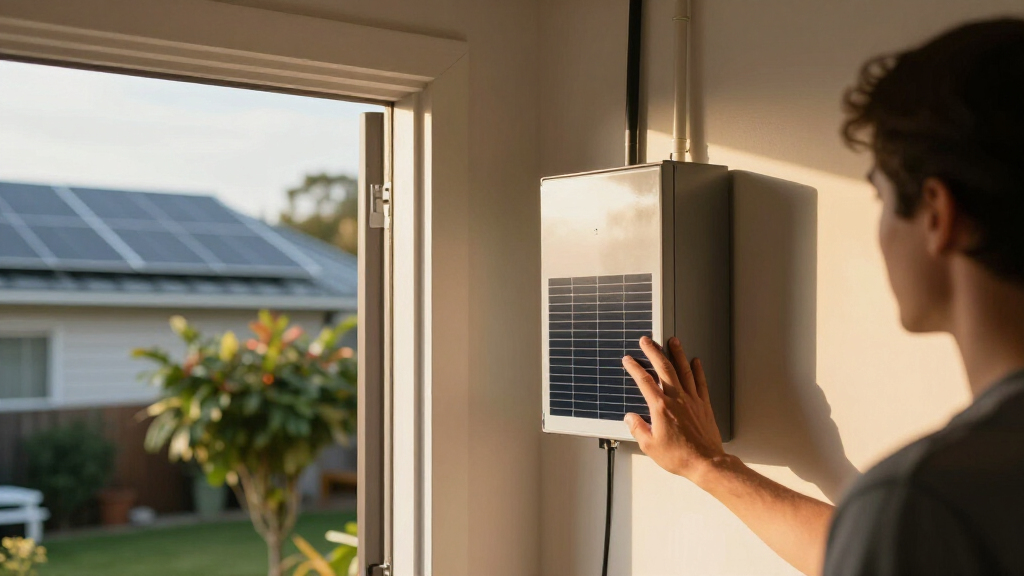
I ranked these systems around the jobs homeowners actually need them to do: store solar energy, cover outages, support household loads, or provide movable backup. I compared stated battery capacity and system format, whether an inverter or solar panels are included, and how much additional planning a buyer may need for compatibility, expansion, and installation. A battery’s kilowatt-hours describe stored energy; inverter output and phase support affect which loads it can run at once, so I treated those as separate buying factors.
The order favors options that offer a coherent path to home backup without hiding the tradeoffs. The ECO-WORTHY PowerMega battery-and-hybrid-inverter combination ranks first for its substantial storage and integrated equipment; the WattCycle package follows for its high-output split-phase inverter pairing. Complete kits and large batteries rank ahead of small portable stations for fixed-home storage, while portable models remain useful for buyers who value mobility and simpler setup. I did not treat product names or capacity alone as proof of whole-home capability: installation requirements, electrical compatibility, and the loads a system can support still need to be checked.
Factors to Consider When Choosing Best Home Solar Battery Storage Systems
Before choosing a battery, I would start with the backup job rather than the product’s headline capacity. A system designed to keep a few devices running is not interchangeable with one intended to support household circuits through a longer outage. These checks can prevent paying for storage that cannot power the loads you care about—or buying a battery that needs more hardware than your project allows.
Match Stored Energy to the Outage You Need to Cover
List the appliances and circuits you expect to run, then estimate their energy use over the backup period you have in mind. Battery capacity, measured in kilowatt-hours, indicates how much energy is stored, but usable output and conversion losses affect what reaches your devices. A refrigerator, lights, and communications gear create a very different demand from electric heating, cooking, or a well pump. A common mistake is choosing a large battery based on capacity alone without checking whether its inverter can run the required loads. If long outages are a concern, think about how solar recharge and household use will overlap rather than assuming one full charge will last indefinitely.
Check Inverter Output, Phase, and Starting Loads
The inverter determines how much power the system can supply at a given moment, which is distinct from how much energy the battery holds. Add up the running watts of appliances likely to operate together, then account for motors and compressors that may draw extra power when starting. Homes with split-phase service or larger 240V loads need equipment explicitly suited to that setup; a high battery capacity does not provide that capability by itself. Buyers sometimes compare inverter wattage without checking voltage, phase, surge output, or circuit connection requirements. Have an electrician or installer confirm that the system matches the panel and loads you intend to back up.
Decide Between a Fixed System and Portable Backup
Fixed batteries and rack systems can serve as part of a planned home-energy installation, while portable power stations are easier to move and may be more approachable for limited backup needs. That convenience can come with less storage or a narrower path to powering household circuits. A portable unit connected to a transfer switch is different from plugging individual devices into its outlets, so check what the specific configuration supports. Buyers may also overlook where a portable station can safely sit, how it recharges, and whether its solar input matches the panels they plan to use. Choose mobility when you will actually move the unit; for a permanently wired installation, prioritize system fit and expansion options instead.
Budget for Compatibility and Installation, Not Just the Battery
A standalone 48V battery can look like a complete solution but may still require a compatible inverter, battery management communication, disconnects, wiring, and professional installation. Bundled inverter systems and solar kits can reduce component-matching work, though they may constrain future equipment choices. Before buying, confirm approved voltage ranges, communication protocols, supported battery configurations, and any required accessories with the manufacturer or installer. A frequent planning error is assuming that two products using the same nominal voltage will work together automatically. If you already own solar equipment, verify compatibility first; if you are starting from scratch, compare the full system scope rather than the battery alone.
Plan for Solar Recharging and Seasonal Conditions
Storage only helps through repeated outages if the system can recharge from solar or another suitable source. Check the battery’s charging limits and the inverter or power station’s solar input specifications, including supported voltage and input power. Panel wattage on a kit or bundle does not by itself establish how quickly a battery will recharge at your home; shade, roof direction, weather, and the hours of usable sunlight all matter. Buyers can overestimate winter production or assume panels will keep a battery full while the household is using power. Ask an installer to model generation against expected loads for your location and season.
Choose Expansion for a Specific Future Need
Modular rack batteries can make it easier to build storage in stages, but expansion depends on the inverter’s supported battery count and the manufacturer’s rules for parallel operation. A larger single battery may reduce wiring and configuration work, while several smaller units may offer flexibility if the system is designed for them. Do not assume a later battery can be added without limits: matching model, age, firmware, and charging behavior may affect compatibility. It is often better to buy a system sized for a realistic next step than to pay for capacity you cannot use today. Ask what expansion entails before choosing a battery whose appeal rests on future growth.
Frequently Asked Questions
Can I connect a 48V server-rack battery to my existing solar inverter?
Possibly, but matching nominal voltage is not enough to establish compatibility. Check the inverter’s approved battery list, charging-voltage range, maximum current, and supported communication protocol, along with the battery’s own connection requirements. Some systems can operate without digital communication, but that may limit monitoring or require specific settings. Ask the inverter and battery manufacturers or a qualified installer to confirm the exact models work together before purchase. This check matters especially for standalone batteries such as the Wirentech WT5100 or ECO-WORTHY Cubix100, which do not by themselves provide a complete solar system.
Will a 16kWh battery run my whole house during an outage?
Not by capacity alone: 16kWh describes stored energy, not the amount of power the system can deliver at once. How long it lasts depends on the loads you run, and whether its inverter supports the circuits and voltage those loads require. Heating, air conditioning, cooking appliances, and pumps can use substantial energy or demand high starting power. Decide which circuits matter most, then compare their expected energy use and peak draw with the battery and inverter specifications. A qualified installer can help determine whether you need a critical-load panel, load management, or additional storage.
Is a portable power station a substitute for a fixed home battery?
It can cover some of the same needs, but it is not automatically equivalent to a permanently installed system. Portable stations are suited to movable backup and powering selected devices; a fixed battery can be designed to supply designated home circuits through appropriate electrical equipment. Check whether the portable model supports a compatible transfer switch and what loads that connection can serve. The Jackery and EF ECOFLOW portable options in this roundup differ in scale, but none should be assumed to power an entire home without checking its output and connection method. Choose portable equipment for flexibility, and a fixed system when your goal is integrated household backup.
Should I buy a battery-only system or a solar-and-battery kit?
A battery-only option is a better starting point when you already have compatible panels, an inverter, or a system designer specifying the other components. A kit can simplify sourcing and reduce the chance of overlooking a major part, but its included equipment may not suit every roof, electrical panel, or future expansion plan. Compare the full equipment list, solar input limits, inverter output, and installation requirements rather than relying on the word “kit.” The ECO-WORTHY 10kW package includes panels and a 16.1kWh battery, while several other picks are batteries or power stations with different system needs. Ask an installer to check site fit and compatibility before committing.
What should I verify before using a home battery for backup?
Confirm which circuits the system can supply, whether it can start the appliances you need, and how it connects to your home’s electrical panel. Ask whether backup starts automatically or requires manual action, and whether the system supports your service type and any 240V loads. Check where equipment can be installed, what ventilation or environmental limits apply, and whether local permits or utility approval are needed. Also ask how solar charging works during an outage; some systems need particular wiring or inverter arrangements to keep panels charging the battery. A licensed installer can validate those details against your home rather than relying on product capacity figures alone.
Conclusion
For a substantial fixed installation, my best overall recommendation is the ECO-WORTHY PowerMega 48V 314Ah Battery and 10kW Hybrid Inverter System, because it combines a large battery with core conversion equipment. Buyers focused on inverter capacity should compare it with the WattCycle rack batteries and 12kW split-phase inverter; the best value direction is a compatible battery-only setup when you already own the rest of the system, rather than paying for duplicate equipment. For a best premium, more complete solar project, consider the ECO-WORTHY 10kW panel-and-battery kit, after confirming its design fits your home. The best choice for beginners seeking portable backup is a power station such as the Jackery HomePower 3600 Plus or Explorer 5000 Plus, with the exact pick depending on capacity and transfer-switch needs. For compact, movable backup, look at the EF ECOFLOW DELTA 3 Classic or Jackery 1000 v2; for modular fixed storage, compare the rack batteries and confirm inverter compatibility before buying. I would make the final choice only after matching the system’s output, wiring, and charging plan to the loads you actually need to support.
Halloween Picks
halloween
As an affiliate, we earn on qualifying purchases.