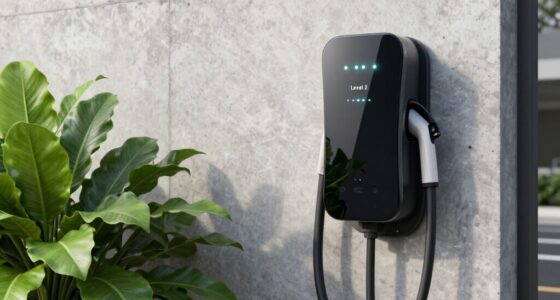
To choose an EV charger for two vehicles, prioritize a high-capacity, dual-port station that can handle frequent use and fast charging. Make certain it supports both Type 1 and Type 2 connectors for compatibility, and match the power output with your household’s electrical capacity to prevent overloads. Smart features like remote monitoring can add convenience. If you keep in mind your usage patterns and future upgrades, you’ll find the perfect solution—more tips await to guide your decision.
Key Takeaways
- Select a high-capacity, dual-port charger to efficiently charge both EVs simultaneously or sequentially.
- Match the charger’s wattage with your household’s electrical capacity and daily driving needs.
- Ensure compatibility with different EV models and future vehicle upgrades for versatility.
- Confirm your home electrical system can support the charger’s power requirements, especially for dual charging.
- Opt for smart chargers with features like remote monitoring, scheduling, and alerts for added convenience.

Choosing the right electric vehicle (EV) charger can seem overwhelming, but understanding your needs makes the process straightforward. When you own two EVs, the key is finding a charging station that can handle your household’s daily demands without hassle. Your first consideration should be the power capacity of the charger. Since you’ll be charging two vehicles, you’ll want a station that offers enough wattage to support simultaneous charging or at least quick sequential charges. A charger with higher power capacity ensures both cars can be charged efficiently, saving you time and preventing delays.
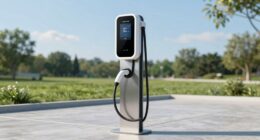
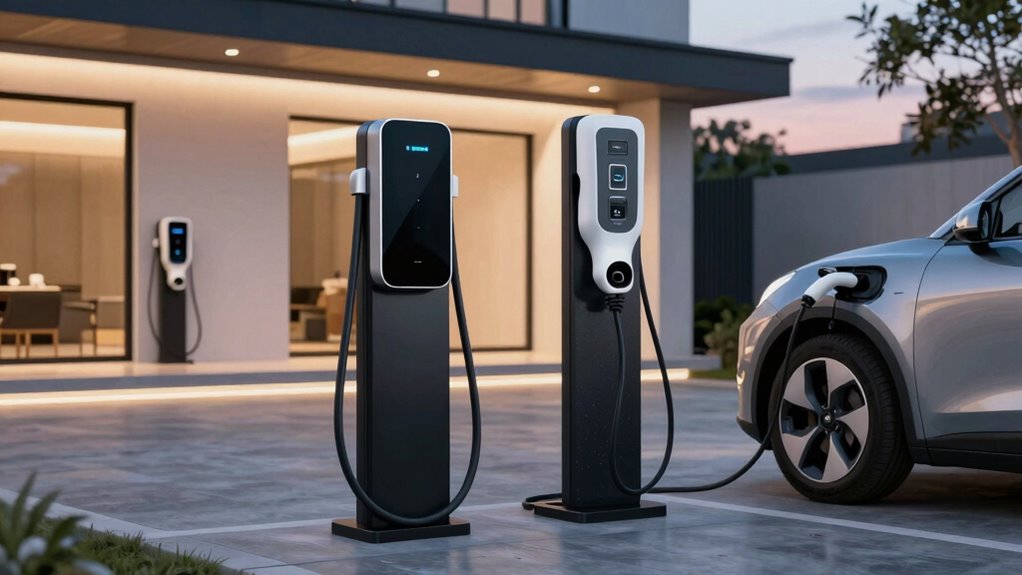
For two EVs, choose a high-capacity charger for quick, efficient simultaneous or sequential charging.
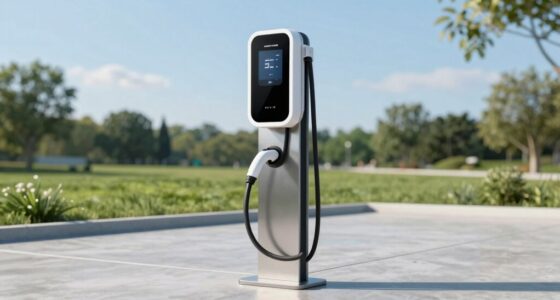
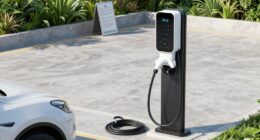
Think about your daily driving habits. If both EVs are used frequently, prioritize a dual-port charging station that allows you to plug in both vehicles at once. This setup is ideal if you want to charge overnight or during work hours without managing multiple chargers or cords. On the other hand, if one vehicle is used less often, you might opt for a single-port charger with higher power capacity to cover both needs but charge one vehicle faster when needed. The goal is to match the charger’s power output with your household’s energy supply and your vehicles’ charging requirements.
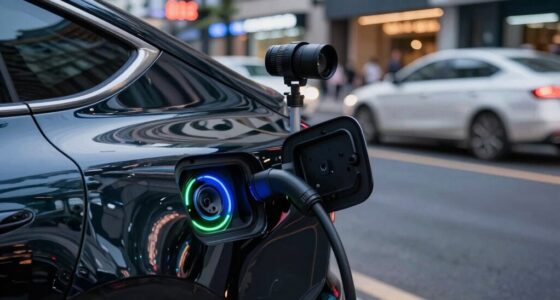
Another essential factor is compatibility. Not all chargers work equally well with every EV model, especially if you own two different brands or models. Check the connectors and charging standards—most EVs use either Type 1 or Type 2 connectors, and your chosen station should support both if necessary. Also, consider future-proofing; investing in a versatile charging station now can save you from upgrading later as your fleet grows or new vehicle models arrive. Moreover, charging infrastructure options are evolving, offering smarter features and faster charging capabilities. Being aware of available charging standards can help you select a station that remains compatible with future vehicle upgrades. Additionally, compatibility with different EVs is crucial to ensure seamless charging across your entire vehicle fleet.
Installation considerations are equally important. A higher power capacity might mean upgrades to your home’s electrical system, which can increase costs and installation time. Make sure your home’s electrical panel can support the charger’s requirements, especially if you plan to charge both vehicles simultaneously. Consulting an electrician can clarify what upgrades are needed and verify your setup is safe and efficient. Additionally, understanding home electrical systems can help you make better decisions about compatibility and capacity. Proper planning and assessment can prevent unexpected expenses and delays during installation.
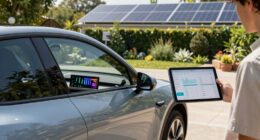
Finally, think about convenience features. Smart chargers with Wi-Fi connectivity allow you to monitor charging sessions remotely, set schedules, and even receive alerts. These features are especially valuable if you want to optimize energy use or manage multiple vehicles effortlessly. By carefully evaluating your daily routines, energy capacity, compatibility needs, and future plans, you can select a charging station that keeps both of your EVs ready to go without unnecessary complications.
Frequently Asked Questions
Can I Use One Charger for Different EV Models?
Yes, you can use one charger for different EV models if it offers compatible connectors and adequate charging speed. Check that the charger supports the connectors your EVs require, like Type 1 or Type 2. Also, verify the charging speed meets your needs, especially if you’ll charge both vehicles regularly. A versatile, fast charger with multiple connector options simplifies charging two EVs with a single unit.
How Much Does a Dual EV Charger Cost?
A dual EV charger typically costs between $500 and $1,500, depending on features like charging speed and power capacity. If you want faster charging for both vehicles, look for a model with higher charging speed and sufficient power capacity to handle two EVs simultaneously. Keep in mind, installation costs can add to this total. Investing in a quality dual charger guarantees efficient, reliable charging for your two EVs.
Are There Chargers Compatible With Both Level 1 and Level 2?
Yes, some chargers are compatible with both Level 1 and Level 2, offering universal compatibility and flexible charging speed. You might think that choosing a charger with multiple modes isn’t worth it, but it saves you money and space in the long run. These chargers can adapt to your different EVs, ensuring efficient charging regardless of the vehicle’s requirements. This versatility makes your charging setup more convenient and future-proof.
What’s the Installation Process for a Dual EV Charger?
You’ll start by selecting a suitable location for your dual EV charger, considering charger placement that’s accessible and safe. Next, you’ll handle wiring requirements, ensuring your electrical panel can support the additional load. It’s best to hire a licensed electrician to install the charger, as they’ll correctly connect the wiring and secure the unit. Proper installation guarantees efficiency, safety, and compliance with local electrical codes.
Do I Need to Upgrade My Electrical System?
Yes, you might need to upgrade your electrical system, especially if your current setup can’t handle the increased demand for charging two EVs. Consider your battery capacity and desired charging speed, as higher capacity batteries and faster charging require more power. Upgrades like a dedicated circuit or breaker may be necessary to guarantee safe, efficient charging without overloading your system. Consulting an electrician can help determine your specific needs.
Conclusion
Choosing the right EV charger for two vehicles isn’t just a decision; it’s an investment in your EV journey. Think of it as planting a seed today that will grow into a seamless charging future. With the right charger, you’ll turn your garage into a power hub, ready to fuel your adventures. So, don’t just charge your cars—charge your confidence, knowing you’ve made a choice that keeps you moving forward, effortlessly.