TL;DR
Hanoi has announced plans to build a 109-story tower along the Red River, marking a significant addition to the city’s skyline. The project is in the early planning stage, with many details still unconfirmed.
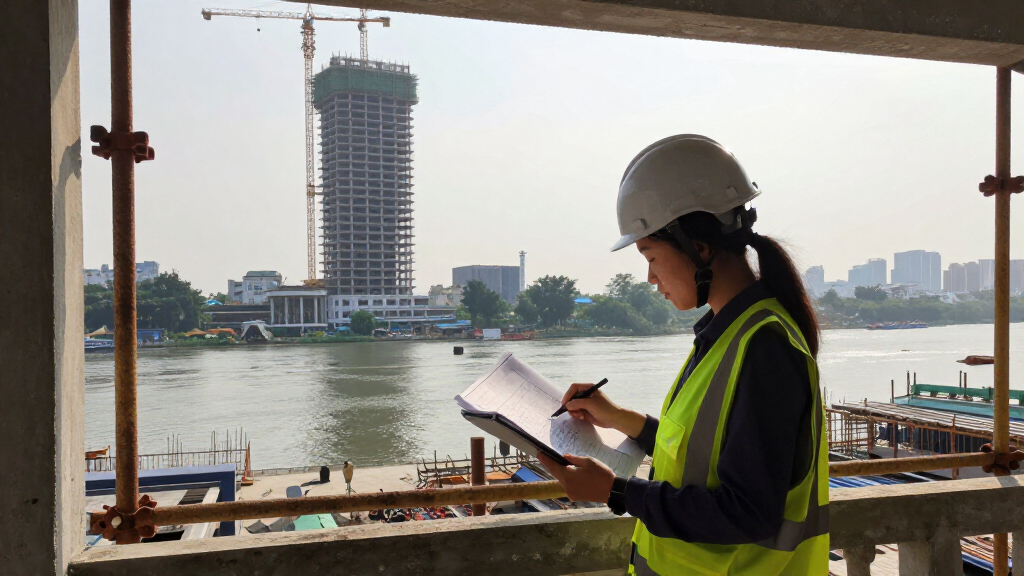
The Hanoi government has officially announced plans to develop a 109-story skyscraper along the Red River, marking one of the most ambitious urban projects in the city’s recent history. Research on building an international financial tower in Hanoi. This development aims to transform Hanoi’s skyline and support economic growth, with the project currently in the early planning phase. The announcement underscores Hanoi’s ongoing efforts to modernize its infrastructure and attract international investment.
The proposed tower is set to be constructed along the banks of the Red River, a key geographical feature of Hanoi. The project was publicly disclosed by local authorities in March 2024, with officials emphasizing its potential to serve as a new landmark for the capital. Specific details about the project’s timeline, design, and developers remain unconfirmed, as the plan is still in the preliminary stages.
According to sources close to the planning process, the tower is expected to include mixed-use spaces, such as commercial offices, luxury residences, hotels, and public observation decks. The project is part of Hanoi’s broader strategy to develop high-density, modern urban spaces to accommodate its growing population and economic activity.
Implications for Hanoi’s Urban Development Strategy
This announcement highlights Hanoi’s ambition to position itself as a major Asian business hub by expanding its skyline with iconic structures. The tower could significantly influence the city’s urban landscape, attracting international attention and investment. It also signals a shift toward high-rise development as a solution to space constraints and urban congestion, aligning with global trends in megacity growth.
However, the project’s scale raises questions about environmental impact, infrastructure capacity, and local community integration. Its success could set a precedent for future large-scale developments in Hanoi and other Vietnamese cities, but careful planning and stakeholder engagement will be critical to address potential challenges.
As an affiliate, we earn on qualifying purchases.
Hanoi’s Growing Skyline and Urban Expansion
Hanoi has experienced rapid urbanization over the past decade, with population growth and economic development driving demand for modern infrastructure. The city’s skyline has already seen a number of high-rise buildings, but a 109-story tower would be a significant addition, potentially becoming the tallest structure in Vietnam if built as planned. Prior to this announcement, Hanoi has pursued several urban renewal projects aimed at modernizing its city center and expanding its commercial zones.
Interest in large-scale skyscraper projects in Hanoi has been increasing, partly driven by the country’s broader economic growth and the desire to attract international investment. While official details about the tower remain limited, the project’s announcement follows a pattern of ambitious development initiatives across Southeast Asia, reflecting regional competition for global business and tourism markets.
As an affiliate, we earn on qualifying purchases.
Unconfirmed Details and Potential Challenges
Many specifics about the project remain unclear, including the exact timeline, design details, funding sources, and environmental impact assessments. It is not yet confirmed whether the project has secured necessary permits or whether it will proceed as planned. Local community reactions and potential regulatory hurdles are also still unknown, and further official disclosures are awaited.
modern skyscraper architectural design book
As an affiliate, we earn on qualifying purchases.
As an affiliate, we earn on qualifying purchases.
Next Steps in Project Planning and Public Engagement
Hanoi authorities are expected to release more detailed plans and timelines in the coming months, including design renderings, environmental evaluations, and stakeholder consultations. The project will likely undergo several rounds of review before construction can commence. Public and stakeholder feedback may influence the final development plan, and monitoring of regional infrastructure capacity will be essential to ensure sustainable growth.
urban planning and development guide
As an affiliate, we earn on qualifying purchases.
As an affiliate, we earn on qualifying purchases.
Key Questions
When will construction of the tower begin?
It is currently unclear; official timelines have not yet been announced, and the project remains in the planning phase.
How tall will the tower be compared to other buildings in Vietnam?
If built as planned, the 109-story tower could become the tallest structure in Vietnam, surpassing existing high-rises in Hanoi and Ho Chi Minh City.
What is the purpose of the tower?
The tower is expected to include commercial, residential, hospitality, and public spaces, aiming to serve as a multifunctional landmark for Hanoi.
Are there environmental concerns associated with the project?
Environmental impact assessments are yet to be publicly disclosed, and their results will influence project approval and design modifications.
Will local residents be involved or consulted?
Stakeholder engagement is anticipated in later planning stages, but details about community consultation are not yet available.
Source: local