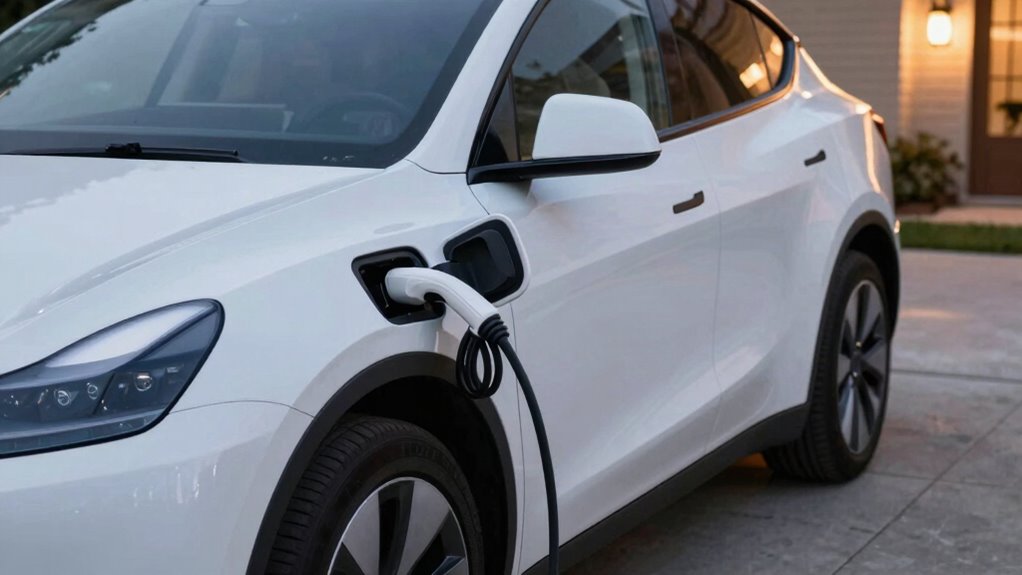

Proper charger placement is essential for your safety every day. If cords are scattered or run across walkways, you risk tripping, falling, or pulling over devices. Placing chargers on stable surfaces and away from water helps prevent shocks and fires. Keeping cords organized and out of high-traffic areas reduces hazards and keeps your environment tidy. Thinking carefully about where you position your chargers can make a noticeable difference — continue to see how small changes can improve your safety.

Get backup power and energy gear delivered free — and shop member deals
- Fast, free delivery on millions of items
- Access to Prime Big Deal Days deals on October 6–7
- Prime Video, Amazon Music and more included
Key Takeaways
- Proper placement prevents cords from creating trip hazards in walkways and high-traffic areas.
- Keeping chargers away from water sources reduces the risk of electric shocks.
- Organized placement minimizes cord tangling, preventing falls and damage to devices.
- Positioning chargers on stable surfaces avoids accidental spills and electrical hazards.
- Using dedicated charging stations or mounts keeps devices secure and reduces clutter-related risks.
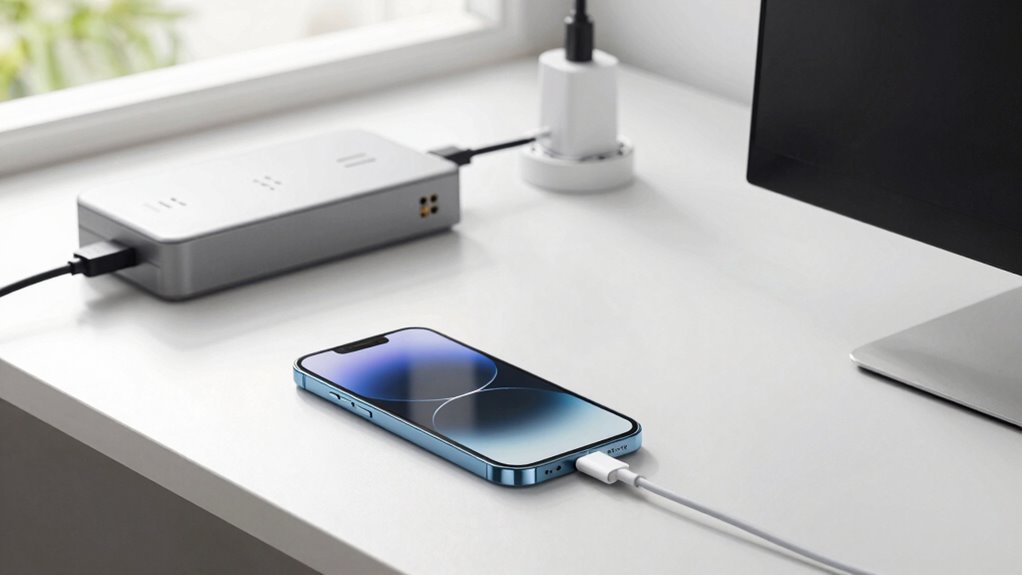
Have you ever considered how your charger’s placement could impact safety in your home or office? It might seem like a minor detail, but where you plug in and position your chargers makes a vital difference in preventing accidents. Proper cord management is essential for avoiding tripping hazards, which are common when cords are left scattered across walkways or cluttered surfaces. When cords are tangled or draped haphazardly, someone can easily trip and fall, leading to injuries. Keeping cords organized, using clips or ties, and routing them along walls or under furniture helps maintain a tidy space and reduces the risk of accidents. Good cord management isn’t just about neatness; it’s about safety, too. Additionally, using cord covers or protective sleeves can further prevent damage and reduce hazards associated with frayed cords. Ensuring that cords are fire-safe and compliant with safety standards can provide an extra layer of protection for your home or office. Maintaining awareness of electrical safety guidelines can further minimize risks related to your chargers and cords.
Outlet safety is another critical aspect that many overlook. Overloading a single outlet with multiple chargers and devices can cause overheating, which increases the risk of electrical fires. To promote outlet safety, avoid plugging in too many devices into one socket, especially if they draw high power. Use power strips with built-in surge protection, but don’t overload them. When possible, distribute chargers across multiple outlets to prevent stress on a single point. Also, ensure that chargers and cords are in good condition—frayed or damaged cords can cause shorts or sparks, posing fire hazards. Regularly inspecting your cords and replacing worn-out ones should become part of your safety routine.
Positioning chargers away from water sources is vital, especially in kitchens or bathrooms, where accidental spills can lead to short circuits or shocks. Keep cords and chargers on stable surfaces, not dangling off the edge of tables or counters. When chargers are placed near high-traffic areas, they’re more likely to be bumped or pulled, which can cause damage to the cord or outlet and create dangerous sparks or sparks. If you’re working with multiple devices, consider dedicated charging stations or mounts that keep everything organized and secure. This minimizes clutter and keeps chargers out of reach of children or pets who might unintentionally pull or chew on cords.
In the end, paying attention to how you place and manage your chargers isn’t just about convenience; it’s about safety. Proper cord management, avoiding overloads, and thoughtful placement of chargers and cables can greatly reduce hazards like trips, electrical fires, and shocks. Making these small adjustments in your daily routine can create a safer environment for everyone in your home or office.
cord management clips for chargers
As an affiliate, we earn on qualifying purchases.
As an affiliate, we earn on qualifying purchases.
Frequently Asked Questions
Can Improper Charger Placement Cause Electrical Fires?
Yes, improper charger placement can cause electrical fires. When chargers are left unattended on flammable surfaces or in cluttered areas, electrical hazards increase. Overloaded outlets and damaged cords also heighten fire risks. To prevent fires, always place chargers on non-flammable surfaces, keep cords in good condition, and avoid overloading outlets. Proper charger placement is essential for fire prevention and ensuring a safe environment daily.
How Does Charger Placement Affect Baby or Pet Safety?
Have you considered how charger placement impacts your child’s or pet’s safety? Poorly placed chargers create child proofing hazards and pet access risks, leading them to chew or tamper with cords. If you leave chargers within reach, you’re risking electric shocks or burns. Always keep chargers out of their reach, secure cords, and use outlet covers. This simple step prevents accidents and keeps your loved ones safe from potential hazards.
Are There Specific Materials to Avoid Near Charging Areas?
You should avoid placing chargers near material hazards like water, heat sources, or flammable items, as these can increase fire risks. Follow placement guidelines by keeping cords away from high-traffic areas and out of reach of children and pets. Don’t use damaged or frayed cords, as they pose electrical hazards. Proper placement guarantees safety, minimizes accidents, and prolongs your charger’s lifespan, making your daily environment safer.
What Are the Best Spots to Place Chargers in Small Spaces?
You should place chargers in spots with good cable organization and away from high traffic areas. A power strip near your desk or bedside table works well, but make sure it’s not overloaded for safety. Keep chargers off the floor to prevent tripping and damage. Position them where cords won’t stretch or tangle, maintaining a clutter-free environment that minimizes hazards and makes cable management easier.
How Often Should I Check My Charger’s Placement for Safety?
You should check your charger’s placement weekly to guarantee it’s safe. Regularly inspecting helps you spot signs of charger overheating, which could cause fires, and prevents distraction hazards from loose cords or unstable placement. Keep an eye out for frayed wires or heat buildup, and make sure the charger isn’t in high-traffic areas where it could be accidentally pulled or knocked over. Staying vigilant protects your safety and your devices.
As an affiliate, we earn on qualifying purchases.
Conclusion
So, think of your charger as a tiny lighthouse guiding your devices safely home. Place it wisely, away from water and high traffic zones, and it’ll keep your daily routine sailing smoothly. A little attention to its spot can prevent mishaps and keep your space safe and serene. Remember, a well-placed charger is like a good friend—reliable, unobtrusive, and always there when you need it most. Safe charging keeps your day bright and worry-free.
As an affiliate, we earn on qualifying purchases.
As an affiliate, we earn on qualifying purchases.
Fall Picks
fall essentials
As an affiliate, we earn on qualifying purchases.