
TL;DR

Get backup power and energy gear delivered free with Prime
- Fast, free delivery on millions of items
- Prime Video, Amazon Music and more included
- Member-only deals all year
In 2022, questions about Telegram’s data centers remain largely unanswered. Investigations show limited transparency about their locations and security, prompting privacy concerns. This report explores what is known and what remains uncertain.
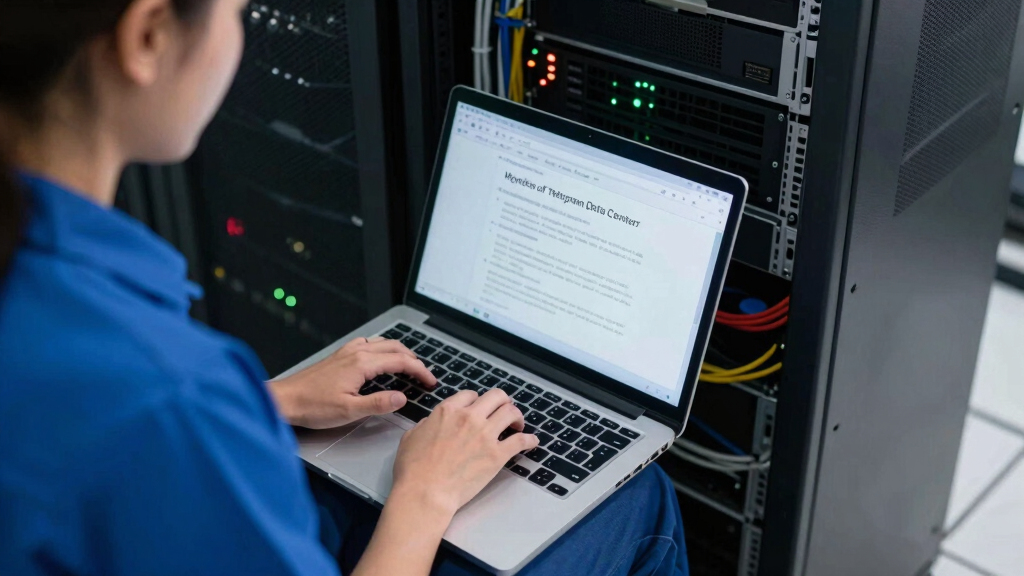
In 2022, investigations into Telegram’s data centers reveal a significant lack of publicly available information about their locations, security measures, and operational practices. Despite Telegram’s widespread use as a secure messaging platform, details about its physical infrastructure remain largely undisclosed, raising concerns among privacy advocates and security experts.
Multiple independent researchers and cybersecurity analysts have attempted to identify the locations of Telegram’s data centers but have found limited concrete information. Telegram has not publicly disclosed the specifics of its infrastructure, citing security reasons. Some reports suggest the presence of data centers in multiple countries, but verified details are scarce.
In 2022, cybersecurity firms and investigative journalists have pointed out that Telegram’s reliance on decentralized infrastructure complicates efforts to locate and assess its data centers. The platform’s encryption and privacy policies are designed to protect user data, but the opacity surrounding its physical infrastructure raises questions about potential vulnerabilities and compliance with regional data laws.
Telegram officials have maintained that the platform prioritizes user privacy and security, but have not provided detailed disclosures about their data center operations. Experts warn this lack of transparency could hinder accountability and oversight, especially in cases of data breaches or government requests for user information.
Why Telegram’s Data Center Transparency Matters for Privacy and Security
The limited transparency about Telegram’s data centers has significant implications for user privacy, security, and regulatory compliance. As a platform that claims to prioritize privacy, the opacity surrounding its infrastructure raises concerns about potential vulnerabilities and the platform’s ability to protect user data from malicious actors or government surveillance.
Furthermore, the lack of publicly available information complicates efforts by cybersecurity professionals and regulators to verify Telegram’s security practices or investigate potential data breaches. This uncertainty impacts trust among users and authorities, especially in regions with strict data laws or surveillance regimes.
As an affiliate, we earn on qualifying purchases.
Limited Public Information on Telegram’s Infrastructure in 2022
Telegram, founded in 2013 by Pavel Durov, has grown rapidly as a secure messaging app, claiming strong encryption and privacy protections. Unlike some competitors, Telegram does not operate its own extensive network of data centers but relies on decentralized infrastructure, including cloud services and third-party hosting providers.
Throughout 2022, journalists and cybersecurity researchers have attempted to locate Telegram’s data centers through various means, including analyzing network traffic and domain registrations. Their findings suggest the existence of multiple data centers across different countries, but none have been officially confirmed by Telegram.
This ongoing mystery is compounded by Telegram’s policy of minimal transparency about its physical infrastructure, citing security concerns and operational secrecy. As a result, the platform’s infrastructure remains one of the most opaque among major messaging services.
“We prioritize user privacy and security above all, which is why we do not disclose details about our infrastructure.”
— Telegram spokesperson
privacy-focused VPN for messaging apps
As an affiliate, we earn on qualifying purchases.
As an affiliate, we earn on qualifying purchases.
Unconfirmed Aspects of Telegram’s Data Center Locations and Security
It is not yet clear exactly where Telegram’s data centers are located, how many they operate, or what specific security measures are in place. The platform has not publicly disclosed this information, and independent investigations have only yielded speculative results. The extent to which Telegram’s infrastructure complies with regional data laws or how it manages government requests remains uncertain.
encrypted messaging app with privacy features
As an affiliate, we earn on qualifying purchases.
As an affiliate, we earn on qualifying purchases.
Future Investigations and Potential Transparency Efforts
Researchers and cybersecurity experts plan to continue efforts to uncover more details about Telegram’s infrastructure, potentially through advanced network analysis or leaks. Telegram may also choose to increase transparency in response to growing privacy concerns, but no official disclosures have been announced. Regulatory scrutiny could also intensify if investigations reveal vulnerabilities or non-compliance with data laws.
cybersecurity tools for data protection
As an affiliate, we earn on qualifying purchases.
As an affiliate, we earn on qualifying purchases.
Key Questions
Why does Telegram keep its data center information secret?
Telegram cites security concerns and operational secrecy as reasons for not disclosing details about its infrastructure, aiming to protect user data and prevent targeted attacks.
Are Telegram’s data centers vulnerable because of this secrecy?
The lack of transparency makes it difficult to assess vulnerabilities, but experts warn that opacity can hinder security evaluations and accountability.
Could this secrecy impact user privacy?
Potentially, yes. Without clear information about infrastructure security, users may have concerns about how well their data is protected against breaches or government surveillance.
Has Telegram ever disclosed details about its data centers?
No, Telegram has not publicly disclosed specific locations or security practices related to its data centers.
What are the risks of not knowing where Telegram’s data centers are?
The main risks include difficulty in verifying security measures, potential vulnerabilities, and challenges for regulators to enforce compliance with regional laws.
Source: hn
Evergreen bestsellers Picks
bestsellers
As an affiliate, we earn on qualifying purchases.