To keep your chargers secure at home, always use trusted brands and keep firmware updated to protect against cyber threats. Avoid public wireless stations and be cautious about connecting to untrusted charging pads to prevent hacking or malware. Organize cables properly to prevent trips or damage, and regularly inspect cords for wear. Overloading outlets can cause fires, so manage electrical load carefully. Staying aware of these safety tips helps safeguard your devices and your home—continue to discover more essential security practices.

Get backup power and energy gear delivered free — and shop member deals
- Fast, free delivery on millions of items
- Access to Prime Big Deal Days deals on October 6–7
- Prime Video, Amazon Music and more included
Key Takeaways
- Use chargers from reputable brands and keep firmware updated to reduce security vulnerabilities.
- Avoid public or untrusted wireless charging stations to minimize hacking risks.
- Regularly inspect cables for damage and organize them properly to prevent electrical hazards.
- Enable device security features and stay informed about emerging cybersecurity threats related to charging.
- Practice proper electrical safety, such as avoiding outlet overloads and ensuring safe cable management.
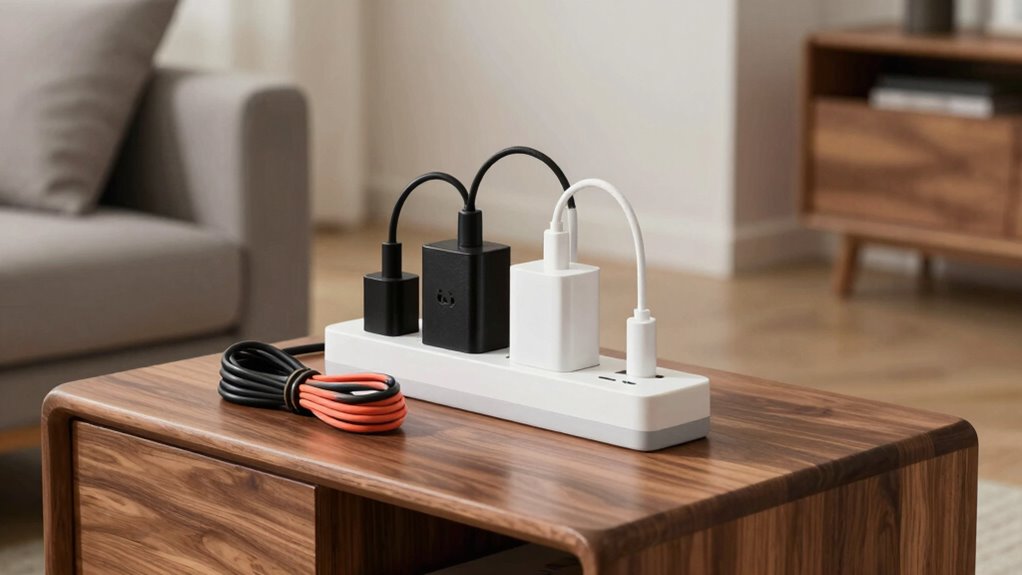
Have you ever considered how vulnerable your home is to charger-related risks? It’s easy to overlook the dangers that come with simply plugging in your devices. As more gadgets rely on wireless charging and cable management, understanding how to keep your home safe becomes essential. Wireless charging offers convenience, but it can also introduce security vulnerabilities if not used carefully. If your charger isn’t from a reputable brand or if you’re using a public or untrusted wireless charging pad, your device might be exposed to hacking or data theft. Cybercriminals can sometimes exploit wireless charging stations to access sensitive information or insert malicious software into your device. To minimize this risk, always use chargers from trusted manufacturers and avoid public wireless charging stations unless absolutely necessary. Ensuring your chargers have proper safety features can further protect your devices from electrical hazards. Staying aware of wireless charging security practices can help prevent potential breaches. Additionally, staying informed about emerging cybersecurity tactics can help you recognize and defend against potential threats associated with wireless devices. Regularly updating your device’s firmware and security settings adds an extra layer of protection against security vulnerabilities that could be exploited through wireless charging. It’s also beneficial to understand the importance of encryption protocols in safeguarding data during wireless transmission. Cable management plays a vital role in preventing physical hazards and protecting your devices. Cluttered cables can cause trips and falls, damage to cords, or even short circuits if wires become frayed or exposed. Proper cable management involves organizing cords to keep them out of the way, reducing the chance of accidents and damage. Use cable clips, sleeves, or ties to keep cables neat and secure. This not only enhances safety but also makes it easier to identify and disconnect devices quickly in case of an emergency. When managing cables, be sure to unplug devices properly and avoid overloading outlets, which can lead to overheating or electrical fires. Regularly inspect your cables for signs of wear, and replace any damaged cords immediately.
As an affiliate, we earn on qualifying purchases.
Frequently Asked Questions
How Can I Detect Hidden Charging Device Threats?
You can detect hidden charging device threats by regularly inspecting outlets, cords, and nearby objects for signs of device tampering or unusual alterations. Use a signal interference detector to identify any suspicious electronic activity that might indicate hidden devices. If you notice strange behavior, such as unexplained device operation or interference, investigate further or consult a security professional. Staying vigilant helps prevent potential security breaches from covert charging devices.
Are There Specific Chargers More Vulnerable to Hacking?
Certain chargers, like those with universal compatibility, can be more vulnerable to hacking because they connect to multiple devices and networks, increasing attack points. For example, a compromised multi-device charger might secretly access your data through power management protocols. Always choose chargers from reputable brands, guarantee they have updated security features, and avoid cheap, unbranded options to protect against potential hacking threats.
What Are the Signs of a Compromised Charger?
If your charger is compromised, you might notice unusual heat, frayed wires, or strange smells, which warrant a physical inspection. Also, be alert for signs of tampering or unexpected behavior, like difficulty connecting or inconsistent charging. Check if the charger’s encryption appears altered or compromised, as this could indicate malicious activity. Always verify your charger’s physical integrity and security features are intact to protect your devices from hacking risks.
How Often Should I Replace My Home Chargers?
You should replace your home chargers every 1 to 2 years to guarantee peak charging safety. Chargers can wear out or become compromised over time, risking device authentication issues or even fire hazards. Regularly inspecting for frayed wires or cracks helps, but don’t wait until your charger looks like it’s seen better days—think of it as a tiny hero protecting your devices. Prioritize safety to keep your gadgets and home secure.
Can Wireless Chargers Pose Security Risks?
Wireless energy chargers can pose security risks because signals can be intercepted by hackers. If you don’t secure your wireless charger properly, malicious actors might access your device or personal information through signal interception. To protect yourself, use encrypted connections, keep firmware updated, and avoid charging in public or untrusted environments. Being cautious helps prevent unauthorized access and keeps your data safe while enjoying the convenience of wireless energy.
As an affiliate, we earn on qualifying purchases.
Conclusion
Ensuring your chargers are secure at home isn’t just about convenience—it’s about safety. Did you know that electrical fires caused by improper charger use account for hundreds of house fires annually? By taking simple steps like avoiding damaged cords and unplugging devices when not in use, you reduce these risks. Stay vigilant and prioritize your safety. A small effort today can prevent a devastating fire tomorrow, keeping your home and loved ones protected.
As an affiliate, we earn on qualifying purchases.
As an affiliate, we earn on qualifying purchases.
Fall Picks
fall essentials
As an affiliate, we earn on qualifying purchases.