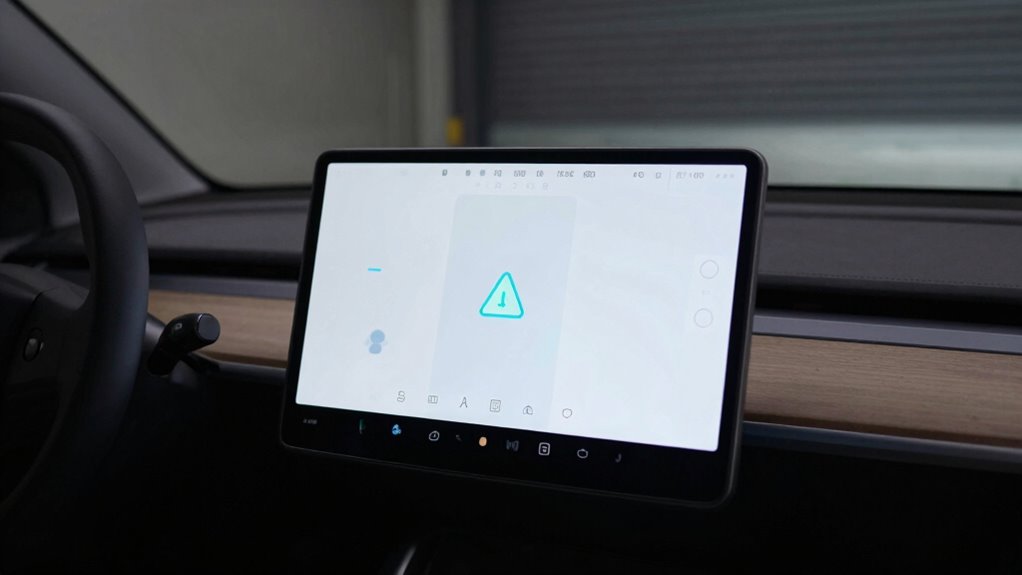

When an EV warning message appears, take a deep breath and stay calm. Avoid panicking or making hasty decisions—focus on evaluating the situation calmly. Check your vehicle’s manual or display for details, but don’t try to reset or repair anything yourself. Safely analyze your options, such as moving to a secure spot or contacting support if needed. Staying composed helps you respond effectively, and if you keep going, you’ll learn how to handle these situations confidently.

Get backup power and energy gear delivered free with Prime
- Fast, free delivery on millions of items
- Prime Video, Amazon Music and more included
- Member-only deals all year
Key Takeaways
- Take a deep breath and stay composed to assess the situation calmly.
- Review the vehicle’s manual or display for clear, specific instructions.
- Avoid panicking; prioritize moving to a safe location if needed.
- Remember that many warnings are minor and not immediate threats.
- Contact professional support for guidance rather than attempting repairs yourself.

Discovering an EV warning message can be unsettling, but staying calm is essential. When that alert pops up on your dashboard, it’s natural to feel a rush of concern, especially about your vehicle’s battery health and overall safety. First, remember that warning messages are designed to protect you and your car. They aren’t necessarily indicators of imminent failure but signals that something needs your attention. Staying composed allows you to evaluate the situation clearly and avoid unnecessary panic.
Your immediate priority should be to understand what the warning means. Most electric vehicles have a user manual that explains common alerts. If the message mentions issues related to battery health, it might be a warning about temperature, voltage irregularities, or charging system problems. Do not ignore the warning, but don’t overreact either. Sometimes, these alerts are triggered by minor glitches or temporary conditions. For example, if the warning appears during or after charging, it could relate to charging safety protocols. In such cases, stopping the charge and unplugging the vehicle is often the best course of action until you can determine the cause.
Understand the warning and review the manual; avoid overreacting and consider safe measures like stopping charging if needed.
While waiting or evaluating the situation, avoid trying to reset the system or continue driving if the warning suggests it’s unsafe. The vehicle’s safety features are designed to prevent damage or accidents. If the warning indicates a serious issue with the battery health—like overheating or a decline in capacity—your best move is to contact professional support. Many EV manufacturers provide roadside assistance or customer service that can guide you through the next steps. Additionally, understanding how battery maintenance impacts warning alerts can help you better interpret and respond to these messages. Knowing about diagnostic systems can also aid in understanding the accuracy and reliability of the alerts shown. Being aware of thermal management systems is crucial, as these often influence warning signals related to temperature issues. Recognizing that these systems are integral to battery health can help you appreciate the importance of following recommended procedures.
Throughout this process, keep your focus on safety. If you’re in a safe location, you can check the vehicle’s display for additional details or recommended actions. If not, and the warning persists or worsens, it’s wise to move to a safe area before further troubleshooting. Never attempt to repair or open the battery pack yourself; EV batteries contain high-voltage components that can be dangerous if mishandled. Instead, rely on trained technicians to handle any repairs or diagnostics.
Finally, remember that modern EVs are equipped with advanced monitoring systems. They often detect issues early and alert you before any serious damage occurs. By staying calm, following proper safety procedures, and seeking professional help when needed, you ensure your safety and extend your vehicle’s lifespan. An EV warning message might seem alarming at first, but with a clear head and the right actions, you can handle it confidently. Additionally, understanding the importance of contrast ratio can help you appreciate the significance of clear and accurate information when evaluating your vehicle’s display or diagnostic alerts.
EV warning light diagnostic tool
As an affiliate, we earn on qualifying purchases.
As an affiliate, we earn on qualifying purchases.
Frequently Asked Questions
Can I Continue Driving After an EV Warning Message Appears?
You shouldn’t continue driving after an EV warning message appears. The warning typically indicates an issue with battery health or other critical systems. Continuing to drive can worsen the problem or cause damage. Instead, follow proper charging tips, such as avoiding deep discharges and charging within recommended levels. Safely pull over, assess the situation, and consult your vehicle’s manual or roadside assistance to prevent further issues.
How Often Should I Check My Ev’s Warning System?
You should check your EV’s warning system regularly, ideally once a month or before long trips. Think of it as monitoring your battery health and ensuring software updates are current, like keeping your phone charged and apps up to date. This proactive approach helps catch issues early, keeps your vehicle running smoothly, and prevents surprises. Staying vigilant means your EV stays reliable and safe, giving you peace of mind on every drive.
Are EV Warning Messages Different From Traditional Car Alerts?
EV warning messages differ from traditional car alerts mainly because they often focus on battery health and charging alerts. You’ll see specific indicators related to battery temperature, charge levels, or charging system issues. Unlike traditional alerts, which might warn about oil or engine problems, EV alerts guide you on maintaining ideal battery performance. Stay calm, check the message details, and follow recommended steps to address the issue safely.
What Should I Do if the Warning Message Reappears?
If the warning reappears, stay calm—about 60% of EV owners face repeated alerts. First, check your battery maintenance routine, ensuring connections are secure. Then, follow your vehicle’s emergency procedures, like safely pulling over and calling roadside assistance if needed. Don’t ignore the warning; repeated alerts signal potential issues that require professional attention. Remaining composed helps you handle the situation effectively and keeps you safe.
Do All EVS Have the Same Warning Indicators?
Not all EVs have the same warning indicators, but many share common signs like blinking lights or specific symbols. These indicators alert you to issues like battery health or charging status. You should always check your vehicle’s manual to understand what each warning means. If a warning appears, avoid driving until you verify the message, as it could relate to critical battery health or charging indicator problems.
electric vehicle battery maintenance kit
As an affiliate, we earn on qualifying purchases.
As an affiliate, we earn on qualifying purchases.
Conclusion
Remember, an EV warning message is like a weather warning—it’s there to keep you safe, not to ruin your day. Stay calm, follow the recommended steps, and trust your vehicle’s systems. By staying composed, you steer through the situation smoothly, like a captain steering through choppy waters. Keep your cool, and soon enough, you’ll be back on your journey, confident and in control, knowing you’ve handled it like a pro.
As an affiliate, we earn on qualifying purchases.
EV dashboard warning light guide
As an affiliate, we earn on qualifying purchases.
As an affiliate, we earn on qualifying purchases.
Evergreen bestsellers Picks
bestsellers
As an affiliate, we earn on qualifying purchases.