

TL;DR
The Federal Communications Commission has voted to eliminate the longstanding cap on the number of broadcast TV stations a single company can own. This decision could lead to increased media consolidation, impacting competition and local news coverage. The move is effective immediately, but its full implications are still unfolding.
The Federal Communications Commission (FCC) has voted to eliminate the longstanding limit on the number of broadcast television stations a single company can own, a move that could significantly alter the landscape of media ownership in the United States. The decision, made during a recent FCC meeting, removes restrictions that previously aimed to prevent excessive concentration of media ownership, raising questions about its impact on competition, local news, and diversity in broadcasting.
In a 3-2 vote, the FCC approved a rule change that lifts the cap on the number of broadcast TV stations a single entity can own nationwide. Previously, federal regulations limited ownership to ensure a diverse and competitive media environment, typically restricting a company from owning more than 39% of the national broadcast audience. The FCC chair, Jessica Rosenworcel, stated that the move aims to foster innovation and reduce regulatory burdens, though critics argue it could lead to monopolization.
This decision follows a series of regulatory relaxations in the past decade, with the FCC gradually easing restrictions to adapt to the changing media landscape. The new rule allows companies to own as many stations as they can economically sustain, with some restrictions on local market ownership remaining in place. Industry stakeholders have expressed mixed reactions, with broadcasters welcoming the deregulation and consumer advocates warning of potential negative consequences.
Potential Impact on Media Landscape and Local Coverage
This change could lead to increased media consolidation, with larger corporations potentially owning multiple major broadcast stations across the country. Such concentration might reduce the diversity of viewpoints and local news coverage, raising concerns about the influence of large media conglomerates. On the other hand, proponents argue that deregulation could foster innovation, improve efficiency, and enable broadcasters to better compete with digital and cable media.

HIDB TV Antenna for Smart TV Indoor, Digital TV Antenna for Local Channels
- No Monthly Fees: Watch local channels without cable
- Eco-Friendly Material: Made of flame-retardant, moisture-resistant dual PC
- Omni-Directional Reception: Receives signals from all directions
As an affiliate, we earn on qualifying purchases.
As an affiliate, we earn on qualifying purchases.
Historical Limits and Recent Deregulation Trends
For decades, the FCC imposed limits on broadcast TV station ownership to prevent monopolies and promote diverse media voices. The most recent significant change occurred in 2017, when the FCC relaxed some cross-ownership rules, allowing companies to own newspapers and broadcast stations in the same market. The current decision continues this trend of deregulation, reflecting a broader shift towards reducing federal oversight in media ownership rules.
Critics argue that such deregulation risks reducing the plurality of voices and increasing the power of large media entities. Supporters claim it allows broadcasters to adapt more flexibly to the digital age and economic pressures.
“Removing these ownership limits will allow broadcasters to innovate and better serve their communities.”
— FCC Chair Jessica Rosenworcel
HIDB TV Antenna for Smart TV Indoor, Digital TV Antenna for Local Channels
- No Monthly Fees: Watch local channels without cable
- Eco-Friendly Material: Made of flame-retardant, moisture-resistant dual PC
- Omni-Directional Reception: Receives signals from all directions
As an affiliate, we earn on qualifying purchases.
As an affiliate, we earn on qualifying purchases.
Unclear Long-Term Effects on Media Competition and Diversity
It is not yet clear how this deregulation will specifically impact media competition, local news coverage, or consumer choice in the coming years. Critics warn of increased monopolization, but concrete effects depend on how companies respond and whether additional regulations are introduced.
Further analysis is needed to understand the full scope of this policy change and its implications for media diversity and public interest.
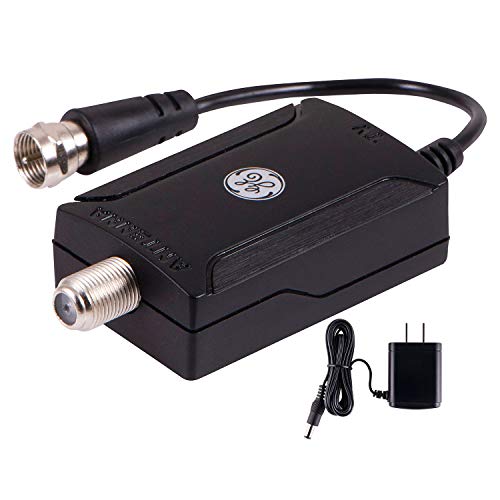
GE Indoor HD Digital TV Antenna Amplifier, Low Noise Antenna Signal Booster, Clears Up Pixelated Low-Strength Channels, Supports HD Smart TV VHF UHF, AC Adapter, Black, 42178
- Universal Compatibility: Works with all TV and antenna brands
- Signal Boosting: Built-in amplifier with LTE filter
- Low-Noise Amplifier: Reduces interference and improves reception
As an affiliate, we earn on qualifying purchases.
As an affiliate, we earn on qualifying purchases.
Monitoring Industry Responses and Possible Regulatory Adjustments
Industry players are expected to adjust their strategies in response to the new rules, potentially consolidating stations or expanding their portfolios. Policymakers and watchdog groups may scrutinize the effects, and Congress could revisit ownership rules if negative impacts become evident. The FCC has indicated it will continue to review the policy’s outcomes over the coming months.

Roku Streaming Stick HD with Voice Remote
- Easy HD Streaming: Access popular apps and free content
- Compact Design: Sleek, unobtrusive, powers from TV
- All-in-One Remote: Control TV and Roku with voice commands
As an affiliate, we earn on qualifying purchases.
As an affiliate, we earn on qualifying purchases.
Key Questions
Does this decision mean larger companies can now own unlimited broadcast stations?
Yes, the FCC’s new rule removes the previous cap, allowing companies to own as many broadcast stations as they can financially support, subject to some local market restrictions.
How might this change affect local news coverage?
Experts warn that increased consolidation could reduce the diversity and quantity of local news, as larger corporations may prioritize national or corporate interests.
Are there any regulations still in place to prevent monopolies?
While the ownership limits have been lifted, some restrictions on local market ownership remain, but overall, the regulatory environment is less restrictive than before.
Could this decision be reversed or challenged in court?
It is possible for stakeholders or states to challenge the FCC’s decision legally, and Congress could also consider legislative actions to reinstate or modify ownership rules.
Source: hn