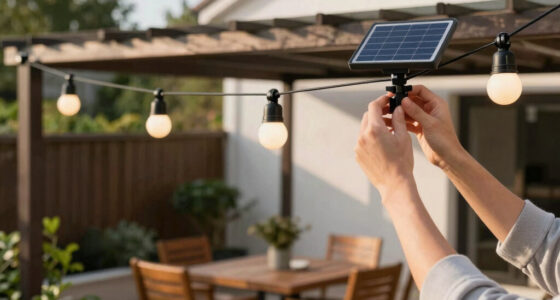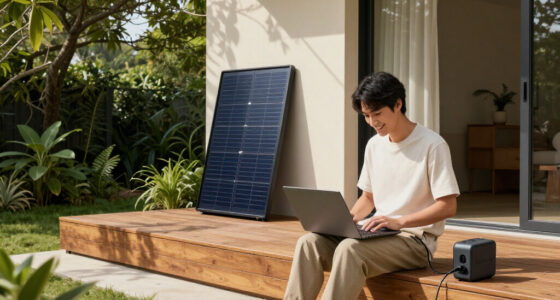
Searching for reliable solar-powered laptop chargers in 2026? The best options combine portability, charging speed, and energy capacity, but tradeoffs include size, weight, and price. The Portable Solar Power Bank with AC Outlet 65W stands out as the best overall, offering a solid mix of power and portability. For those prioritizing wireless convenience, the SOARAISE Solar Power Bank 48000mAh provides fast charging and multiple cables. Smaller or more affordable models like the YELOMIN Solar Power Bank 20000mAh are ideal for light use but may struggle with larger laptops. Keep reading for a detailed breakdown of each option and how to choose the right fit for your needs.
Key Takeaways
- Higher capacity solar chargers generally provide longer usage but tend to be bulkier and heavier.
- Built-in AC outlets are rare and often come with tradeoffs in portability and price.
- Wireless charging features add convenience but may reduce overall energy capacity or increase cost.
- Durability and weather resistance are critical for outdoor use, often influencing the choice for camping or emergency scenarios.
- Price varies widely, with more expensive models offering faster charging and larger capacities, but budget options can suffice for light, occasional use.


| solar-powered laptop charger | Battery Capacity | Capacity |
|---|---|---|
| Portable Solar Power Bank with | 24000mAh | — |
| SOARAISE Solar Power Bank 4800 | — | 48000mAh |
| Portable Solar Generator 300W | 280Wh | — |
| Portable Power Station with 40 | 146Wh | — |
| Portable Power Station 300W | 220Wh / 60000mAh | — |
| Takki Solar Generator 120W Pea | 88.8Wh | — |
| Portable Power Station | — | 146Wh / 39600mAh |
| YELOMIN Solar Power Bank 10000 | — | 10000mAh |
| Daran Portable Power Station 8 | — | 89.6Wh |
| YELOMIN Solar Power Bank Porta | — | 20000mAh |
| SinKeu 24000mAh Portable Power | — | 24000mAh / 88.8Wh |
| BLAVOR Solar Power Bank 20000m | 20000mAh | — |
More Details on Our Top Picks
Portable Solar Power Bank with AC Outlet 65W, 24000mAh External Battery Pack with Foldable Solar Panel 30W for Outdoor Use
This power bank stands out for its impressive 24000mAh capacity combined with a 65W AC outlet, making it a highly versatile choice for outdoor enthusiasts who need to keep multiple devices running. Compared to the Portable Power Station 300W, it offers a lighter, more compact design, though it sacrifices some power capacity and ease of use for high-wattage appliances. The foldable 30W solar panel adds outdoor recharging ability, but the junction box isn’t waterproof, and the AC outlet requires manual toggling, which could be inconvenient. Its multiple output options—AC, DC, and USB—support a range of devices effectively, especially for camping and off-grid adventures. However, it’s limited to devices under 65W, so not suitable for high-power laptops or appliances.
Pros:- High capacity for outdoor use with multiple charging options
- Includes foldable solar panel for recharging during outdoor trips
- Supports simultaneous charging of multiple devices with AC, DC, and USB ports
- Built-in BMS for safety and device protection
Cons:- AC outlet requires manual toggling and may turn off if no load is detected
- Junction box on solar panel isn’t waterproof, limiting outdoor durability
- Limited to devices below 65W, restricting high-power laptop charging
Best for: Outdoor adventurers needing portable, multi-device charging with outdoor solar recharging capability
Not ideal for: Users requiring to power devices over 65W or seeking a device with fully waterproof solar panels
- Battery Capacity:24000mAh
- AC Output:65W
- DC Output:9V~12.6V/10A MAX
- USB Ports:5V/2.4A Max, Quick Charge 5V/3A 9V/2A MAX
- Solar Panel Power:30W
- Dimensions:6.89 x 3.98 x 1.89 inches
Our verdict“This pick best suits outdoor users who prioritize portability and versatile device support over high wattage appliances.”
SOARAISE Solar Power Bank 48000mAh Wireless Portable Charger with 4 Cables
The SOARAISE model distinguishes itself with a massive 48000mAh capacity, making it ideal for extended outdoor stays or multiple device recharges. Its four solar panels accelerate outdoor recharging, a step up from the single-panel setups like the Portable Power Station 146Wh. The inclusion of wireless charging and multiple input/output ports enhances convenience, but at the cost of increased size and weight, which makes it less suitable for minimalist backpackers. While its solar charging is efficient, actual speed can vary depending on sunlight conditions, and the higher price reflects its premium features. This model is better suited to those who prioritize capacity and wireless tech, rather than portability alone.
Pros:- Extremely high 48000mAh capacity for extended outdoor use
- Fast charging with multiple ports plus wireless charging support
- Four solar panels for quicker outdoor recharging
- Supports multiple device types simultaneously
Cons:- Relatively bulky and heavy for casual portability
- Solar charging speed depends heavily on sunlight and environment
- Higher price point due to advanced features
Best for: Campers or travelers needing high capacity, multiple device support, and wireless charging in a portable form
Not ideal for: Hikers or backpackers seeking lightweight, highly portable chargers with minimal weight
- Capacity:48000mAh
- Solar Panels:4
- Ports:2 USB-A, 1 USB-C (input/output)
- Wireless Charging:Yes
- Fast Charging:Yes (PD QC 3.0)
Our verdict“Ideal for users who need a high-capacity, feature-rich power bank and don’t mind the added weight for extended outdoor use.”
Portable Solar Generator 300W with 60W Solar Panel – 280Wh Battery, Pure Sine Wave, USB QC3.0, DC, AC Outlets for Camping and Outdoor Use
This solar generator offers a robust 280Wh capacity with a 300W pure sine wave inverter, making it capable of powering laptops, small appliances, and multiple devices simultaneously. Its 60W foldable solar panel boosts outdoor recharging, a step above smaller panels like in the Portable Power Station 146Wh. The high conversion efficiency of 20.5% and safety protections such as short-circuit and overload safeguards make it reliable for longer camping trips. However, it’s limited to devices under 300W, and the junction box isn’t waterproof, requiring careful storage. Compared with smaller units, this generator provides more power and safety features, but it is bulkier and less suited for ultra-portable needs.
Pros:- High conversion efficiency enhances solar charging speed
- Supports multiple charging sources, including AC, solar, and car
- Built-in safety protections for reliable operation
- Suitable for small appliances and multiple devices
Cons:- Limited to devices under 300W, restricting high-power use
- Not waterproof, requiring careful handling outdoors
- Bulkier than smaller portable power options
Best for: Campers and outdoor enthusiasts requiring reliable power for small appliances and multiple devices
Not ideal for: Lightweight backpackers or those seeking ultra-portable chargers for minimal gear
- Battery Capacity:280Wh
- Inverter Power:300W
- Solar Panel:60W foldable
- Conversion Efficiency:20.5%
- Protection Features:Short circuit, over-current, over-voltage
Our verdict“This generator is best for outdoor users needing dependable power for small appliances with added safety features.”
Portable Power Station with 40W Solar Panel, 100W Solar Powered Generator, 146Wh Battery Pack for Camping and Emergency
This power station offers a balanced 146Wh capacity with a 40W foldable solar panel, geared toward emergency use and short outdoor trips. Its multiple outputs—AC, USB, and DC—support a wide variety of devices under 100W, such as smartphones, tablets, and small laptops. Its 22.8% solar efficiency and built-in safety protections boost dependability, especially in emergency scenarios. Compared to larger units like the Portable Solar Generator 300W, it sacrifices some power for portability and ease of use. The junction box isn’t waterproof, so outdoor use requires some care, but its lightweight design makes it suitable for quick deployment in emergencies or short trips.
Pros:- Includes both a portable power station and foldable solar panel
- Multiple output ports accommodate various devices
- High solar efficiency for outdoor recharging
- Lightweight and easy to carry
Cons:- Supports devices only under 100W, limiting high-power device charging
- Junction box isn’t waterproof, requiring careful handling
- Needs regular recharging if not used for extended periods
Best for: Emergency preparedness and short-term outdoor activities requiring lightweight, versatile power
Not ideal for: Users needing to power high-wattage appliances or extended off-grid power
- Battery Capacity:146Wh
- Solar Panel Power:40W
- Recharging Methods:Wall, Solar, Car
- Efficiency:22.8%
- Built-in Protections:Short circuit, over-current, over-voltage
Our verdict“This setup is best for emergency and short-term outdoor use where portability and versatility are priorities.”
Portable Power Station 300W, 220Wh Solar Generator Backup Battery Pack with AC Outlet
This compact 220Wh power station provides a practical solution for short outdoor outings or emergency backup, with a 300W peak power inverter and multiple outlets. It supports up to 7 devices simultaneously, including laptops and smartphones, and can be recharged via solar, car, or wall outlet. Its 5-pound weight and small size make it easy to carry, but it’s limited in capacity, meaning frequent recharging is necessary for extended use. Compared with larger units like the Portable Solar Generator 300W, it offers less power but excels in portability and quick deployment. It’s ideal for users who need a lightweight backup or occasional outdoor power support.
Pros:- Very portable and lightweight design
- Supports multiple devices simultaneously
- Rechargeable via solar, car, or wall outlet
- Includes safety features like BMS and overload protection
Cons:- Limited capacity for long-term or high-power use
- No included solar panel for recharging (requires separate purchase)
- Supports devices only under 300W, restricting high-demand devices
Best for: Travelers and emergency prepper looking for a lightweight, reliable backup power source
Not ideal for: Power users who need to run high-wattage appliances or require all-day power without recharging
- Power Output:300W (Peak 600W)
- Battery Capacity:220Wh / 60000mAh
- Dimensions:8.5 x 6.7 x 4.1 inches
- Weight:5 lbs
- Recharging Options:Wall, Car, Solar
Our verdict“This power station is suitable for travelers and emergency users needing a lightweight backup with multiple device support.”
Takki Solar Generator 120W Peak Portable Power Station with 21W Solar Panel and 88.8Wh Battery
This lightweight power station excels in portability, weighing just 2.29 pounds, making it ideal for quick trips and emergencies. Its 88.8Wh battery and 120W peak power support small appliances and devices, but it’s limited to devices under 80W, unlike larger models like the Portable Power Station, 146Wh. The solar panel, at 21W, offers a decent recharge speed, though it takes 5-7 hours to reach 80%, which might be slow during prolonged outings. Its built-in LED flashlight with SOS mode enhances its emergency readiness. Compared to bulkier options, its size favors quick deployment, but the limited capacity isn’t suited for extended power needs. Best for campers, outdoor enthusiasts, or those needing an emergency backup who prioritize portability over high wattage or capacity.
Pros:- Extremely lightweight and portable design
- Multiple charging options including USB, AC, and solar
- Built-in LED flashlight with SOS mode for emergencies
Cons:- Supports devices only up to 80W, limiting power-hungry devices
- Cannot charge devices while the power station itself is charging
- Limited battery capacity for extended use
Best for: Campers, outdoor adventurers, or emergency kit owners needing lightweight backup power
Not ideal for: Users requiring to charge high-wattage devices or needing prolonged power backup
- Battery Capacity:88.8Wh
- Peak Power Output:120W
- Weight:2.29 lbs
- Solar Panel Power:21W
- Charging Time (AC):2 hours to 80%
- Charging Time (Solar):5-7 hours to 80%
- Dimensions:5.7 x 4.13 x 3 inches
- Folded Solar Panel Dimensions:10.78 x 8.18 inches
- Unfolded Solar Panel Dimensions:16.45 x 10.78 inches
Our verdict“This pick suits those who need a compact, emergency-ready power source for small devices and outdoor trips.”
Portable Power Station, 146Wh 100W Solar Powered Power Bank with AC Outlet
This model offers a higher capacity at 146Wh and supports multiple devices with its 100W AC output, making it more suitable for longer trips compared to the Takki 120W Power Station. Its multiple outlets—including 2x110V AC, USB-C, USB-A, and DC—provide versatility for charging laptops, cameras, and more. Its weight of 3.3 pounds remains portable but adds a bit more bulk. While the solar panel isn’t included, recharging via solar is straightforward, unlike the smaller Takki’s limited capacity. The tradeoff is that it’s slightly heavier and more complex, but it supports higher power devices. Best for outdoor enthusiasts or emergency prep where longer power duration matters.
Pros:- Higher capacity supports longer use away from outlets
- Multiple output ports for different devices simultaneously
- Supports solar recharging, increasing off-grid capabilities
Cons:- Solar panel sold separately, adding to overall cost
- Slightly heavier at 3.3 lbs, less convenient to carry for ultra-light users
- Limited to 100W AC output, restricting high-power device charging
Best for: Hikers, campers, or emergency kits needing higher capacity and multiple device support
Not ideal for: Lightweight travelers or users who prefer ultra-compact solutions for minimal devices
- Capacity:146Wh / 39600mAh
- Weight:3.3 lbs
- Outputs:2x110V AC, 2xUSB 3.1A, 1xUSB-C quick charge 3.0, 1xDC 12V
- Recharging options:AC wall, car, solar (not included)
- Recharging time:Depends on solar panel (not included)
- Build:Durable plastic casing
Our verdict“This power bank is best for outdoor adventurers or preppers seeking extended power with versatile options.”
YELOMIN Solar Power Bank 10000mAh with Foldable Solar Panels, Wireless Charging, and Emergency Flashlight
This rugged 10000mAh power bank emphasizes portability and outdoor resilience, supported by four foldable solar panels for recharging in sunlight. Unlike larger capacity banks like the YELOMIN 20000mAh Power Bank, it’s more compact but offers less total energy. Its 15W wireless charging speeds are convenient for quick device boosts, but may not fully charge larger devices like tablets or laptops. The built-in emergency flashlight with SOS mode enhances safety, especially with its military-grade housing that withstands rough conditions. However, the limited capacity and bulkier foldable panels make it less ideal for high-demand or long-duration trips. Best for hikers, survivalists, or outdoor lovers prioritizing durability and quick wireless boosts.
Pros:- Solar panels enable off-grid recharging in sunlight
- Fast 15W wireless charging for compatible devices
- Military-grade rugged housing withstands tough conditions
Cons:- Limited to 10000mAh, not suitable for full device recharges
- Bulkier due to foldable solar panels and rugged build
- Wireless charging speed varies with device compatibility
Best for: Outdoor enthusiasts, hikers, or survivalists needing durable, quick-charging power on the go
Not ideal for: Users needing to charge larger devices or seeking a lightweight, high-capacity solution
- Capacity:10000mAh
- Solar Panels:4 foldable panels
- Wireless Charging:15W
- Built-in Cables:USB-C, Lightning
- Material:Military-grade housing
- Additional Features:Emergency flashlight with SOS
Our verdict“This power bank fits outdoor users who need rugged durability and quick wireless charging, but not high-capacity power.”
Daran Portable Power Station 89.6Wh LiFePO4 Battery with 100W Output
The Daran station’s 89.6Wh LiFePO4 battery offers a safer, longer-lasting alternative to traditional lithium-ion units like the Takki Power Station. Its 100W output supports most laptop and device charging needs without risking overload, and its 3500+ cycle life extends usability well beyond comparable models. Weighing only 2.54 pounds and with a compact form factor, it’s a clear choice for those who prioritize safety and longevity. The lack of a solar panel included is a drawback, especially compared to the YELOMIN Solar Power Bank, which has integrated solar panels. It supports multiple charging methods, including solar, but the absence of a built-in solar cable can be inconvenient. Best for safety-conscious users who need reliable, long-term portable power.
Pros:- Long-lasting LiFePO4 battery with over 3500 cycles
- Supports fast charging via multiple inputs
- Quiet operation and safety protections
Cons:- Limited to devices under 100W, restricting high-power use
- Solar panel not included, adding extra cost
- No built-in solar cable, less convenient for solar recharging
Best for: Safety-focused outdoor users and professionals seeking durable, long-cycle portable power
Not ideal for: Users wanting a built-in solar panel or longer battery capacity for extended trips
- Capacity:89.6Wh
- Battery Type:LiFePO4
- Weight:2.54 pounds
- Dimensions:6.5×3.3×4 inches
- Output Power:100W (200W Peak)
- Charging Methods:AC, USB-C PD, solar (not included)
- Cycle Life:3500+ cycles
- Safety Features:Advanced BMS
Our verdict“This unit is best for those valuing safety, longevity, and fast charging over maximum capacity.”
YELOMIN Solar Power Bank Portable Charger 20000mAh, 22.5W Fast Charging with Built-in Cables & LED Flashlight
The YELOMIN 20000mAh power bank stands out for its high capacity and quick charging with 22.5W output, surpassing smaller options like the YELOMIN 10000mAh. Its built-in cables for USB-C, Lightning, and USB-A reduce clutter, and the dual LED flashlight with SOS mode enhances safety in emergencies. The foldable solar panels, while convenient for emergency recharging, tend to be slow depending on sunlight conditions, unlike larger, dedicated solar panels. Its bulkier design makes it less ideal for lightweight portability but highly suitable for emergency backup. Compared to the Takki Power Station, it offers less total power but more convenience for quick boosts and outdoor survival scenarios. Best for outdoor enthusiasts needing high capacity and quick recharge in emergencies.
Pros:- Large 20000mAh capacity for extended device use
- Fast 22.5W charging supports quick device boosts
- Built-in multiple cables and LED flashlight with SOS
Cons:- Solar charging depends on sunlight, often slow
- Bulkier due to foldable panels and rugged build
- Designed more as emergency backup than daily charger
Best for: Hikers, survivalists, or outdoor users seeking a high-capacity, versatile portable charger
Not ideal for: Users needing a lightweight, minimal device for day trips or daily commuting
- Capacity:20000mAh
- Fast Charging Power:22.5W
- Built-in Cables:USB-C, Lightning, USB-A
- Flashlight:Dual LED with SOS
- Material:Foldable solar panels, rugged housing
- Size:Bulkier due to panels
Our verdict“This device is ideal for outdoor users who prioritize high capacity, quick charging, and emergency features over slim portability.”
SinKeu 24000mAh Portable Power Bank with AC Outlet and Emergency Power Station
The SinKeu 24000mAh Power Bank stands out for offering a substantial capacity combined with a full-size AC outlet, making it highly suitable for powering laptops alongside smaller devices. Compared to the Portable Solar Power Bank with AC Outlet 65W, it provides more capacity and a clearer display, but at the expense of increased weight and bulk. This model is better suited for those who need reliable, multi-device backup power during extended trips or emergencies, especially when AC outlets are essential. Its built-in safety protections and fast recharging add to its appeal, though the limited 65W AC output may restrict high-power device use. The OLED display allows precise monitoring, which is a key advantage over simpler models. However, its weight and size could be a drawback for frequent travelers seeking ultra-portability.
Pros:- High-capacity 24000mAh / 88.8Wh battery supports multiple devices
- Includes a 110V/65W AC outlet for laptop charging
- OLED display provides real-time power and status info
- Multiple outputs with quick charging options
Cons:- Relatively heavy and bulky, less portable for frequent travelers
- Limited to 65W AC output, restricting high-power device use
- Recharging can take several hours, which may be inconvenient
Best for: Outdoor enthusiasts or emergency preppers who need a reliable, high-capacity power source capable of charging laptops and multiple devices
Not ideal for: Lightweight travelers or daily commuters who prioritize portability over capacity, as the unit is relatively heavy and bulky
- Capacity:24000mAh / 88.8Wh
- AC Outlet:110V/65W
- USB Outputs:QC3.0 9V/2A, 5V/3A
- Additional Outputs:DC 9-12.6V/10A
- Recharging Time:Less than 4 hours
- Display:OLED
Our verdict“This power bank is best suited for users who prioritize versatility and capacity over ultra-lightweight portability.”
BLAVOR Solar Power Bank 20000mAh with Built-in Cables and Wireless Charging
The BLAVOR Solar Power Bank makes a compelling choice for outdoor users seeking durability and convenience, thanks to its waterproof ABS+PC shell and shockproof design. It supports charging up to six devices simultaneously, including wireless charging for phones and Apple Watch, making it more versatile than the SinKeu Power Bank which lacks wireless capabilities. Its built-in cables, flashlight, compass, and thermometer cater to outdoor adventurers, although its larger size and weight may hinder everyday portability. Fast-charging at 20W ensures quick power-ups, but users should be aware of the complex features that might require some learning curve. Compared with smaller portable chargers like the YELOMIN 10000mAh, this unit offers more capacity and outdoor-focused features, but sacrifices compactness.
Pros:- Supports charging up to 6 devices simultaneously, including wireless
- Durable, waterproof, and shockproof shell ideal for rugged outdoor use
- Includes outdoor accessories like flashlight, compass, and thermometer
- High capacity at 20000mAh with fast 20W charging
Cons:- Large and heavy, less convenient for daily carry
- Features and controls may be complex for casual users
- Bulky size can be inconvenient in tight spaces or small bags
Best for: Campers, hikers, or outdoor enthusiasts needing a tough, all-in-one power solution with multiple device support
Not ideal for: Urban users or frequent commuters seeking a lightweight, pocket-sized charger, as its size and weight may be cumbersome
- Battery Capacity:20000mAh
- Charging Ports:USB-C, USB-A, iOS
- Wireless Charging:Yes
- Fast Charging:20W
- Built-in Cables:2 USB-C, 1 iOS, 1 USB-A
- Protection Features:Overcharge, over-discharge, over-current, short-circuit
Our verdict“This charger is best for outdoor explorers who value durability, multifunctionality, and high capacity over ultra-portability.”
How We Picked
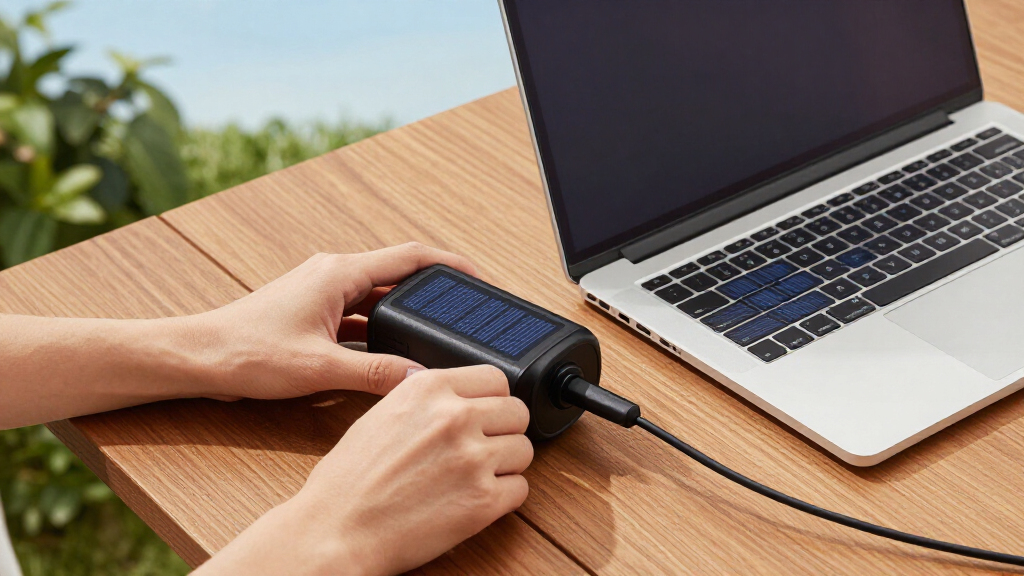
In evaluating these solar-powered laptop chargers, I focused on key factors that matter most to users: charging capacity, portability, versatility, and build quality. I compared their energy output, size, weight, and features like AC outlets or wireless charging to identify which products deliver the best balance of power and convenience. Products were ranked based on real-world utility—whether they can reliably power a laptop, how easy they are to carry, and their overall value. This approach ensures the list includes options suitable for different types of users, from casual campers to emergency preppers and tech enthusiasts.Factors to Consider When Choosing Solar-powered Laptop Chargers
Choosing the right solar-powered laptop charger requires balancing several considerations to match your specific needs. Beyond capacity, factors like portability, charging speed, and durability can greatly influence your satisfaction with a product. Understanding these aspects helps avoid common pitfalls, like overpaying for features you won’t use or selecting a device too bulky for your typical outdoor activities. Here are key factors to consider:Capacity and Power Output
Capacity, measured in milliamp-hours (mAh) or watt-hours (Wh), determines how long your charger can power your laptop. Larger capacities support longer use but often come with increased size and weight. Pay attention to the power output (measured in watts), especially if you plan to charge powerful laptops or multiple devices simultaneously. Balancing capacity with portability ensures you get enough runtime without sacrificing ease of transport.
Portability and Size
The main appeal of solar chargers for laptops is portability, but many high-capacity models become bulky. Consider your typical use case—hiking, camping, emergency prep—and choose a size that fits your activity level. Foldable solar panels and compact power banks are ideal for light travel, whereas larger units suit extended outdoor stays. Always check weight and dimensions relative to your carrying capacity.
Charging Speed and Efficiency
Fast-charging capabilities and high solar conversion efficiency matter when quick power is needed, especially under limited sunlight. Some models include fast-charging ports or higher wattage outputs, reducing downtime. Be cautious of overly optimistic claims—actual charging depends heavily on sunlight conditions and device compatibility. A balanced approach favors models with good efficiency and multi-input options.
Durability and Weather Resistance
If outdoor use is a priority, look for rugged, weather-resistant designs with sturdy panels and sealed enclosures. Water, dust, and shock resistance extend the lifespan of your device and ensure it performs reliably in challenging environments. Cheaper models often cut corners here, so investing in durability can save money over time.
Price and Additional Features
Prices vary based on capacity, build quality, and features like wireless charging or built-in cables. While premium models offer faster charging and greater durability, budget options can suffice for occasional use or emergency backups. Assess whether extra features like LED lights, multiple output ports, or carry cases are worth the extra cost for your specific needs.
Frequently Asked Questions
Can a solar-powered charger fully power a laptop in one day?
It depends on the capacity of the charger and the sunlight conditions. Larger capacity units with high wattage output can often provide several hours of power, but full-day charging typically requires consistent, strong sunlight and a compatible device. For extended use, a combination of a high-capacity solar panel and a power bank is advisable, especially in cloudy conditions or during shorter daylight hours.
Are solar-powered laptop chargers worth the investment for casual users?
For casual users who only need occasional charging during outdoor trips or emergencies, a smaller, more affordable solar charger can be a practical addition. These devices may not power your laptop continuously but can extend battery life or provide partial charging when no grid power is available. For frequent or intensive use, investing in a higher-capacity, more durable model provides better value.
Do I need special adapters or cables to charge my laptop with a solar charger?
Most solar chargers come with multiple cables, including USB and sometimes AC adapters, but compatibility varies. Check your laptop’s charging port and power requirements before buying. Some models include universal adapters or multiple output options, making it easier to connect different devices. Ensuring compatibility upfront prevents frustration and guarantees reliable charging.
How do weather conditions affect solar charging performance?
Solar charging efficiency drops significantly on cloudy days and during low sunlight hours. While some panels are designed to perform in diffuse light, they still generate less power than under direct sunlight. If you rely heavily on solar charging, consider a system with higher capacity and keep backup options like portable batteries or grid charging when available. Weatherproofing also protects the device from damage caused by rain or dust.
Is it better to buy a dedicated solar charger or a portable power station with solar panels?
Dedicated solar chargers are usually lighter and more portable, ideal for quick outdoor use or light devices. Portable power stations with integrated solar panels tend to offer greater capacity, multiple outlets, and faster charging, making them suitable for longer trips or emergency backup. Your choice depends on whether you prioritize lightweight convenience or larger, more versatile power solutions.
Conclusion
For most users, the Portable Solar Power Bank with AC Outlet 65W offers the best overall combination of capacity, portability, and features, making it ideal for general outdoor use. Budget-conscious buyers or casual campers will find the YELOMIN Solar Power Bank 20000mAh provides reliable power at a lower price. Those seeking premium features and faster charging should consider high-capacity models like the Portable Solar Generator 300W. If you’re new to solar charging, start with smaller, simpler devices and scale up as your needs grow. For emergency preparedness or extended outdoor stays, investing in a rugged, high-capacity power station offers peace of mind and dependable power supply.