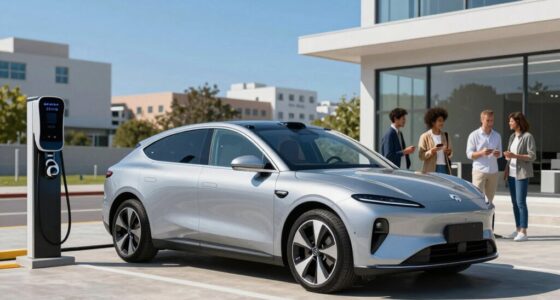
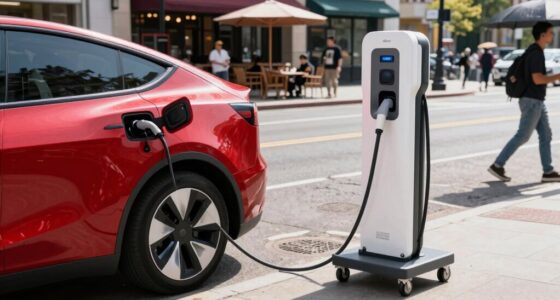
Before asking your landlord about EV charging, understand the costs involved, including purchasing, installing, and maintenance, as well as any electrical upgrades needed. Know that professional installation must meet safety standards and local codes to avoid issues. Highlight long-term benefits like increased property value and potential incentives. Be prepared to discuss shared space use and minimal disruption. If you’re curious about how to make a strong proposal, keep exploring these key points.

Get backup power and energy gear delivered free with Prime
- Fast, free delivery on millions of items
- Prime Video, Amazon Music and more included
- Member-only deals all year
Key Takeaways
- Understand the total costs, including purchase, installation, and ongoing maintenance, and be prepared to discuss shared expense options.
- Know the electrical requirements and potential upgrades needed, emphasizing safety and compliance with local codes.
- Highlight long-term benefits like increased property value, tenant appeal, and available regional rebates or incentives.
- Be ready to coordinate with licensed professionals to ensure a safe, compliant, and minimally disruptive installation process.
- Demonstrate responsibility, understanding, and a clear plan to reassure the landlord about safety, costs, and property impact.
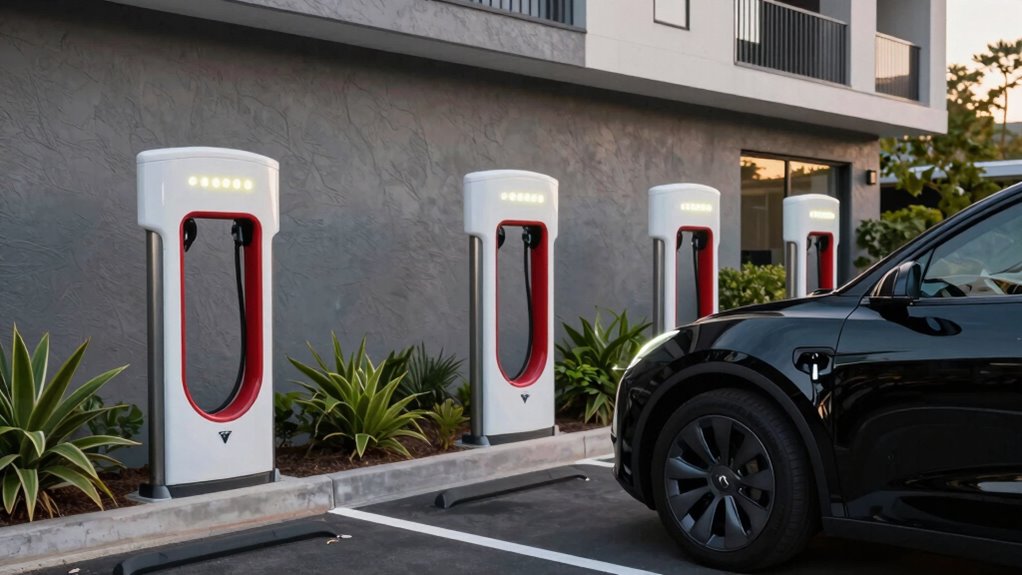
If you’re considering asking your landlord about installing an electric vehicle (EV) charging station, it’s important to be prepared. Understanding the key factors involved, like cost considerations and the installation process, will help you approach the conversation confidently. First, the cost considerations aren’t just about buying the charger; they also include installation, potential upgrades to the electrical system, and ongoing maintenance. Some landlords might hesitate because they worry about high upfront costs or future expenses. To ease these concerns, you should research options for affordable chargers, and if possible, gather quotes from licensed electricians. Presenting a clear idea of what the costs might be, including possible shared expenses, can make your proposal more appealing and demonstrate that you’ve thought it through.
Next, understanding the installation process is essential. Installing an EV charger isn’t a simple plug-and-play task; it involves electrical work that must be done safely and up to code. Typically, the process includes evaluating your current electrical system, installing a dedicated circuit, and mounting the charging station. If your building’s wiring isn’t equipped to handle the additional load, upgrades might be necessary, which could increase costs and complexity. Some landlords might worry about disruptions or the time it takes to complete the installation. Reassure them that licensed professionals handle the work efficiently and safely, and that the process can be scheduled to minimize inconvenience. Additionally, you can offer to coordinate with the electrician to ensure the installation adheres to all local codes and regulations, easing the landlord’s concerns about compliance and liability. Understanding electrical safety standards is crucial to ensure all work is compliant and to address any safety concerns. Being aware of power protection options can also help safeguard the property’s electrical system from potential issues during and after installation. Moreover, emphasizing the importance of proper inspection and certification can reassure your landlord about safety and compliance. To further support your proposal, you might also highlight electric vehicle infrastructure benefits, which are increasingly recognized as valuable enhancements to rental properties.
It’s also wise to think about long-term benefits and potential incentives. Mention that EV charging stations are increasingly popular and can add value to the property. Some regions offer rebates or tax credits for installing EV infrastructure, which can offset costs and make the project more financially viable. If you plan to share the station with neighbors or future tenants, highlight how this could enhance the property’s appeal. Being transparent about maintenance responsibilities and how to handle potential issues can further build trust. Investing in proper projector technology can also serve as an analogy for understanding the importance of quality and planning in property upgrades. By approaching the conversation well-informed and prepared, you’re more likely to persuade your landlord to support the installation. Remember, demonstrating that you’ve considered costs, the installation process, and long-term benefits shows responsibility and respect for their property, which can make all the difference in getting a positive response.
As an affiliate, we earn on qualifying purchases.
Frequently Asked Questions
Are There Any Legal Restrictions on Installing EV Chargers in Rental Properties?
Yes, there are ev charging regulations and landlord tenant rights you should consider. Generally, landlords can set rules about installing EV chargers, but they can’t unreasonably deny your request if it complies with safety standards. You should review local laws and your lease agreement, as some places have specific restrictions or protections. Always communicate openly with your landlord, and guarantee any installation follows legal and safety requirements to avoid disputes.
Who Is Responsible for Maintenance and Repairs of the EV Charger?
You’re typically responsible for charger maintenance and repair responsibilities if you install an EV charger in your rental. This means you should keep the charger in good condition and handle minor repairs. However, for major repairs or if the charger malfunctions due to installation issues, your landlord may be responsible. It’s best to clarify these details upfront and include them in your rental agreement to avoid disputes later.
Can I Install a Charger Without Landlord Approval in an Emergency?
In an emergency, you can install an EV charger without urgent approval, but only if immediate safety or access issues arise. Act quickly to address urgent needs, then notify your landlord as soon as possible. Keep in mind, emergency installations are temporary; you’ll still need to seek formal approval for permanent setup. Document the situation thoroughly to avoid disputes and guarantee your actions align with lease responsibilities and local regulations.
Will Installing a Charger Affect My Security Deposit?
Installing an EV charger can impact your security deposit if it causes damage or violates your lease agreement. Always review your lease for clauses related to modifications and repairs. If you get your landlord’s approval beforehand, you reduce the risk of losing part of your deposit. Keep records of any agreements and repairs to protect your security deposit, and guarantee the installation is done professionally to avoid issues when you move out.
Are There Specific Insurance Considerations for EV Charging Stations?
Insurance coverage for EV charging stations is essential, as liability insurance protects you from potential accidents or damages. While installing, make sure your policy includes coverage for the charger and related equipment. Think of liability insurance as your safety net—without it, you could face hefty costs. Check with your insurer to confirm your policy covers any risks associated with EV charging, avoiding surprises if an incident occurs.
electric vehicle charger installation kit
As an affiliate, we earn on qualifying purchases.
As an affiliate, we earn on qualifying purchases.
Conclusion
Picture yourself pulling into the driveway, your electric car humming quietly as you plug in for a quick charge. Before you get there, make sure you’ve done your homework—know your options, costs, and potential impacts. Talking openly with your landlord can turn a simple request into a smooth upgrade, transforming your daily routine. With clear communication and a little preparation, you’ll soon be enjoying the convenience of a fully charged vehicle, ready for whatever the road ahead holds.
smart EV charger with safety features
As an affiliate, we earn on qualifying purchases.
As an affiliate, we earn on qualifying purchases.
dedicated circuit breaker for EV charger
As an affiliate, we earn on qualifying purchases.
As an affiliate, we earn on qualifying purchases.
Fall Picks
fall essentials
As an affiliate, we earn on qualifying purchases.