
Electric vehicles are so quiet because they use electric motors that operate without combustion, reducing engine noise and creating near-silent rides. This quietness can surprise pedestrians and cyclists, especially at low speeds. To address safety concerns, automakers add artificial sounds to EVs’ exteriors, making them more noticeable without sacrificing the benefits of silence. If you want a deeper understanding, you’ll discover how these sounds balance safety with a smooth, quiet ride.

Get backup power and energy gear delivered free with Prime
- Fast, free delivery on millions of items
- Prime Video, Amazon Music and more included
- Member-only deals all year
Key Takeaways
- EVs are so quiet because their electric motors operate silently without combustion engine noise.
- The silence reduces noise pollution and provides a smoother, more comfortable ride.
- To address safety concerns, automakers add artificial sounds during low-speed driving to alert pedestrians.
- External sound generators produce carefully designed noises that enhance safety without compromising quietness.
- Proper charging infrastructure and battery safety measures ensure overall EV safety despite their silent operation.

Electric vehicles (EVs) are known for their near-silent operation, which often surprises drivers and pedestrians alike. Unlike traditional gas-powered cars that produce engine noise, EVs glide quietly, making for a smooth and serene ride. However, this quietness can pose safety concerns, especially for pedestrians who rely on sound cues to gauge a vehicle’s presence. To address this, automakers are adding artificial sounds to EVs, ensuring pedestrians can hear approaching vehicles without compromising the quiet driving experience.
One reason EVs are so quiet is their electric motors, which operate without the combustion process that creates engine noise. This silence is a significant advantage, reducing noise pollution and enhancing comfort during drives. Still, it raises safety issues, particularly at low speeds where the lack of sound might prevent pedestrians, cyclists, and even other drivers from noticing an EV nearby. To mitigate this, many automakers incorporate external sound generators that produce artificial sounds when the vehicle is moving at low speeds. These sounds are carefully designed to be noticeable but not intrusive, blending safety with the vehicle’s quiet nature.
EVs use external sound generators at low speeds to ensure pedestrian safety without sacrificing quietness.
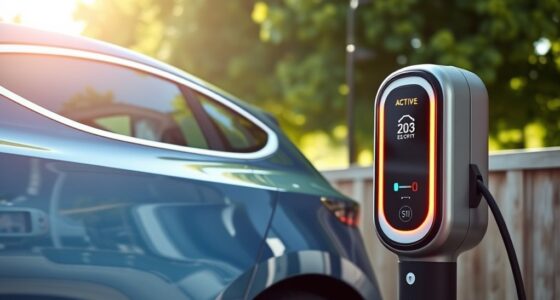
Another critical aspect influencing EV safety is the charging infrastructure. As more people adopt EVs, the availability and safety of charging stations become paramount. Charging stations need to be well-designed and placed thoughtfully to prevent accidents and facilitate easy access. Proper infrastructure ensures that drivers can charge conveniently, reducing the chances of parking in unsafe or inconvenient locations. Additionally, charging safety protocols are essential to prevent electrical hazards, especially since EV batteries store large amounts of energy. Automakers and infrastructure providers continuously work to improve safety measures, including better insulation, clear instructions, and emergency shutdown features to protect users and bystanders alike.
Battery safety remains a top priority for EV manufacturers. Lithium-ion batteries, while efficient, can pose fire risks if damaged or improperly handled. This concern underscores the importance of robust safety standards in battery design and manufacturing, as well as in the development of charging infrastructure. Properly designed charging stations include safety features like automatic shutoffs and thermal management systems to prevent overheating or fires. As an EV owner, you should always follow manufacturer guidelines for charging and maintenance, ensuring your vehicle’s battery remains safe and reliable over time. Additionally, advances in European cloud infrastructure support the secure and reliable operation of EV charging networks, enhancing overall safety and efficiency.
Products Worth Considering

DEWALT 20V MAX 1/4-Inch Impact Driver Kit with Battery and Charger (DCF787D1)

Milwaukee M18 FUEL 18V Lithium-Ion Brushless Cordless 1 in. Impact Wrench Extended Reach D-Handle Kit with Two 12.0 Ah Batteries

NOCO Boost GB50 1500A UltraSafe Jump Starter, 12V Lithium Battery Booster
As an affiliate, we earn on qualifying purchases.
Frequently Asked Questions
Are Artificial Sounds Customizable by Drivers?
Yes, many EVs now offer sound customization options based on driver preferences. You can often adjust or select different artificial sounds through the vehicle’s infotainment system, allowing you to personalize the driving experience. Some automakers even let you choose the tone, volume, or style of the artificial sound, giving you greater control. This way, you can enjoy a more tailored and enjoyable ride that matches your personality and driving habits.
Do Different EV Models Have Unique Artificial Sounds?
You’ll love this—each EV model boasts its own signature artificial sound, turning your ride into a true sonic adventure! Automakers use sound branding and sound licensing to craft these unique audio identities, making every vehicle stand out. From sleek, futuristic tones to sporty roars, these sounds aren’t just noise—they’re carefully designed symbols of brand personality, ensuring your EV’s artificial sound is as distinctive as its design.
How Do Artificial Sounds Impact EV Battery Life?
Artificial sounds slightly impact your EV’s battery life because producing noise requires energy, which can lead to increased power consumption. The sound frequency used influences this effect; higher frequencies generally consume more energy. While the impact on battery life is minimal, it does help reduce noise pollution and improve safety. You might notice a small decrease in range, but the benefits of alerting pedestrians often outweigh this minor energy cost.
Are There Safety Regulations for Artificial EV Sounds?
Yes, there are strict safety standards and regulations for artificial EV sounds. These regulation standards guarantee that sounds are loud enough to alert pedestrians and other drivers, promoting safety compliance. Automakers must carefully craft these sounds so they’re noticeable yet not disruptive. By following safety guidelines, manufacturers help prevent accidents, making your EV’s artificial sounds both effective and compliant, ultimately enhancing overall road safety for everyone.
Can Pedestrians Distinguish Between EV Makes by Sound?
Pedestrians often struggle with sound differentiation between EV makes because their perception of artificial sounds varies. While some can distinguish different EV brands by their unique sound signatures, many rely on volume and pitch cues. You might find it challenging to identify specific makes just by sound, especially since automakers aim for uniformity for safety. Sound perception plays a vital role in pedestrian awareness, emphasizing the importance of standardized artificial sounds.
Conclusion
As you experience the quietness of EVs, remember that this tranquility is due to their silent motors—an advantage for peaceful rides. Notably, a study shows that pedestrians are 40% less likely to hear approaching EVs, which is why automakers add artificial sounds. These sounds help keep everyone safe without sacrificing the smooth, silent ride you love. So, while EVs are quiet by design, thoughtful sound engineering ensures safety stays loud and clear.