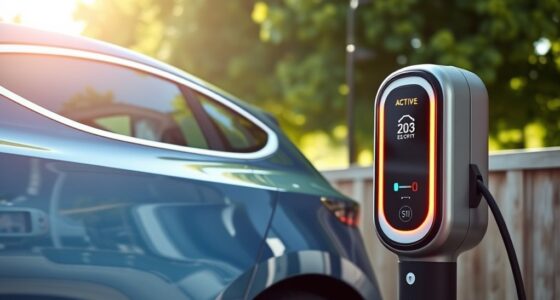

Electric vehicles are the future because they cut emissions, helping improve air quality and reduce environmental impact. They cost less to operate and maintain, saving you money over time. With faster, more efficient performance and longer driving ranges, EVs make every trip smoother and quieter. Plus, expanding infrastructure supports their growth, making charging more convenient. Keep exploring to discover how EVs can benefit you and contribute to a sustainable future.
Key Takeaways
- EVs produce zero tailpipe emissions, significantly improving air quality and reducing greenhouse gases.
- Lower operating costs and less maintenance make EVs more economical over time.
- Advancements in battery technology increase driving range and performance.
- Growing infrastructure and public support facilitate easy, reliable access to charging.
- Transitioning to EVs supports renewable energy integration, promoting a sustainable transportation future.
Environmental Benefits and Reduced Emissions
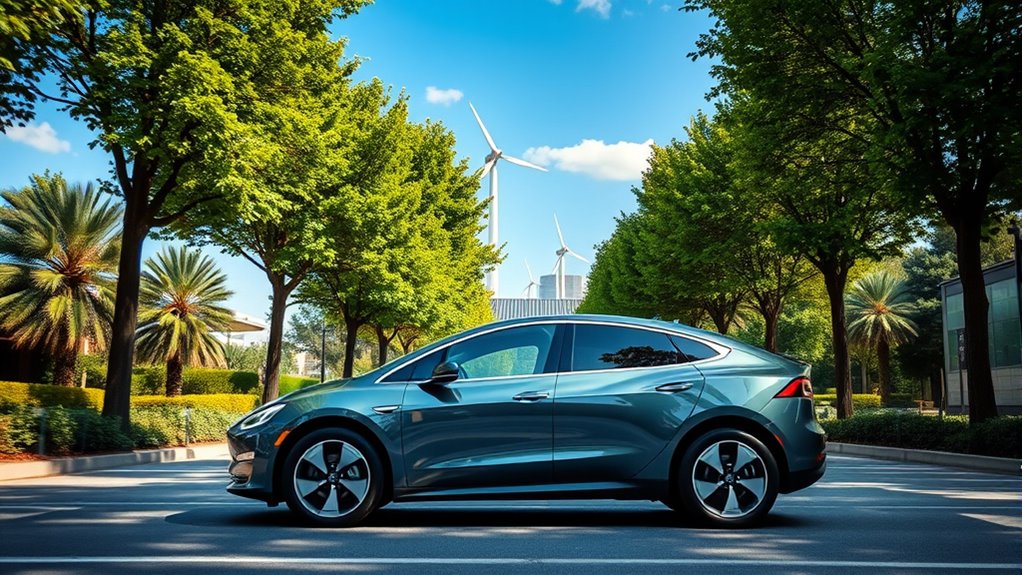
Electric vehicles (EVs) substantially reduce emissions compared to traditional gasoline-powered cars. By running on electricity, they produce no tailpipe emissions, helping improve air quality. To maximize their environmental benefits, advancements in battery recycling are essential, allowing you to reuse materials and reduce waste from EV batteries. Additionally, as your electricity grid becomes cleaner with more renewable energy sources like solar and wind, the overall carbon footprint of driving an EV drops even further. This shift lowers greenhouse gases and reliance on fossil fuels, supporting a healthier planet. Your choice to drive an electric vehicle directly contributes to reducing emissions, especially when paired with sustainable energy solutions and responsible battery management practices. Proper battery management and recycling practices are vital for minimizing environmental impact and ensuring the sustainability of electric vehicles. Implementing recycling techniques can significantly decrease the environmental footprint of EVs over their lifetime, especially when combined with advanced battery technologies, which further enhance the efficiency and recyclability of EV batteries.
Cost Savings and Lower Operating Expenses
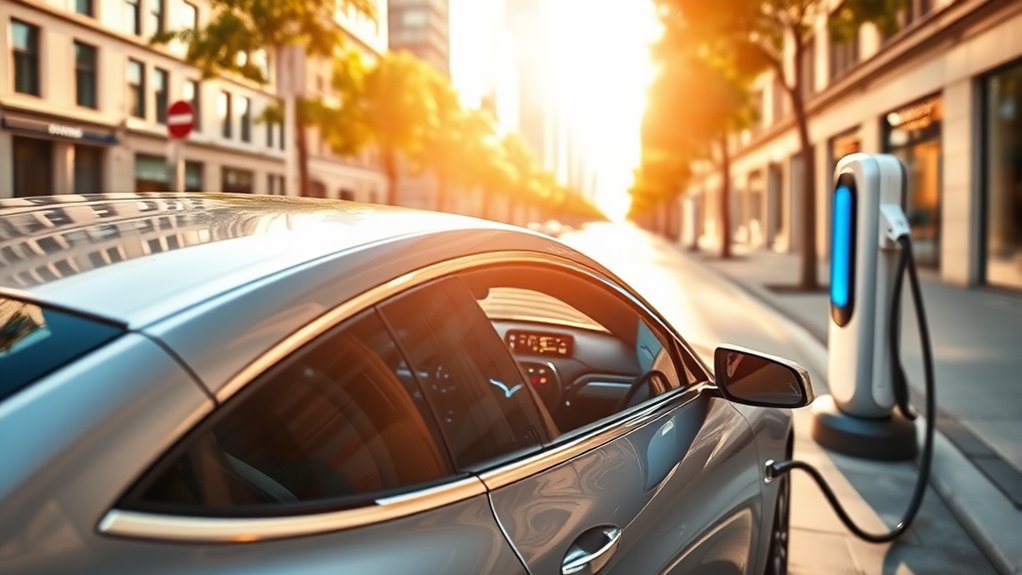
Choosing an electric vehicle can considerably lower your overall transportation costs. You save on fuel since electricity is cheaper than gasoline, and maintenance costs are lower because EVs have fewer moving parts. Battery life has improved, meaning your vehicle stays efficient longer, reducing replacement expenses. Plus, charging speed options allow you to recharge quickly and conveniently, saving time and avoiding costly trips to the gas station. Here’s a quick look at the key savings:
| Benefit | Explanation | Impact |
|---|---|---|
| Lower Fuel Costs | Electricity costs less than gas | Reduced monthly expenses |
| Reduced Maintenance | Fewer parts, less wear and tear | Less frequent repairs |
| Charging Speed | Fast chargers get you back on the road quickly | Less downtime, more convenience |
| Battery Life | Longer-lasting batteries mean fewer replacements | Lower long-term costs |
Additionally, the improved battery technology enhances the vehicle’s resale value, making EVs a smart long-term investment.
Furthermore, advancements in battery technology are continuously increasing the efficiency and longevity of electric vehicle batteries.
A wider charging infrastructure also makes EV ownership more practical and accessible for more consumers.
In addition, regenerative braking systems help recover energy during deceleration, further improving efficiency and reducing wear on brake components.
Improved Performance and Driving Experience
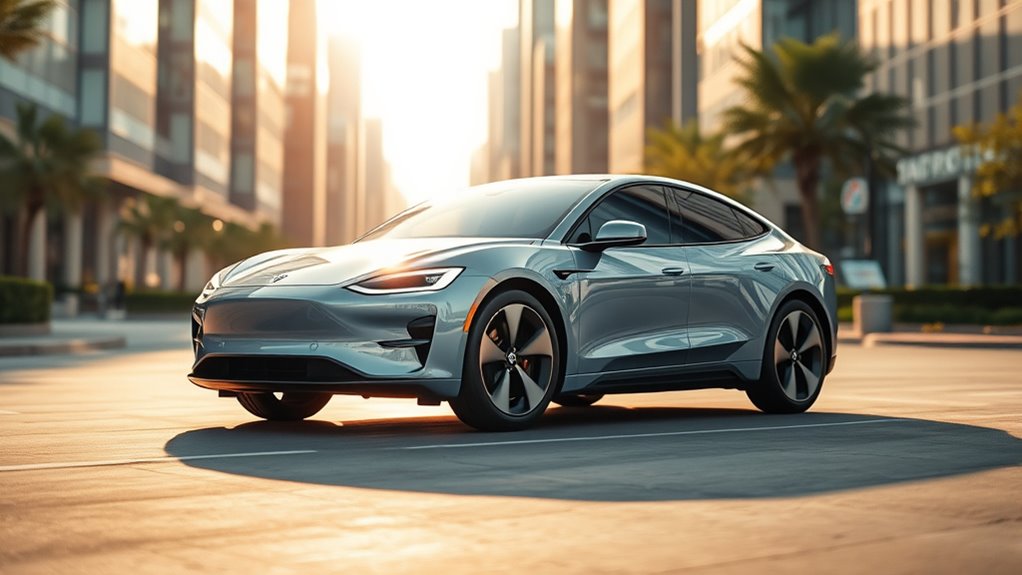
With instant torque delivery, electric vehicles provide a smoother and more responsive driving experience than traditional gasoline cars. This immediate power boost means your acceleration feels seamless and effortless, giving you greater control on the road. Advances in battery technology have made it possible for EVs to deliver consistent, reliable performance without sacrificing range. The low center of gravity, thanks to the placement of batteries, enhances stability and handling, making corners feel more confident. Plus, electric motors operate quietly, reducing noise and vibrations. As a result, your drive becomes more comfortable and enjoyable. Additionally, evidence-backed guidance confirms that ongoing innovations are continually enhancing EV performance and reliability. Battery technology improvements are also leading to longer-lasting and more durable batteries, further supporting performance. The integration of advanced power management systems ensures optimal energy use, contributing to both efficiency and longevity. Overall, the combination of improved battery technology and instant torque offers a performance upgrade that transforms your driving experience into something more dynamic and engaging.
Enhanced Energy Efficiency and Innovation
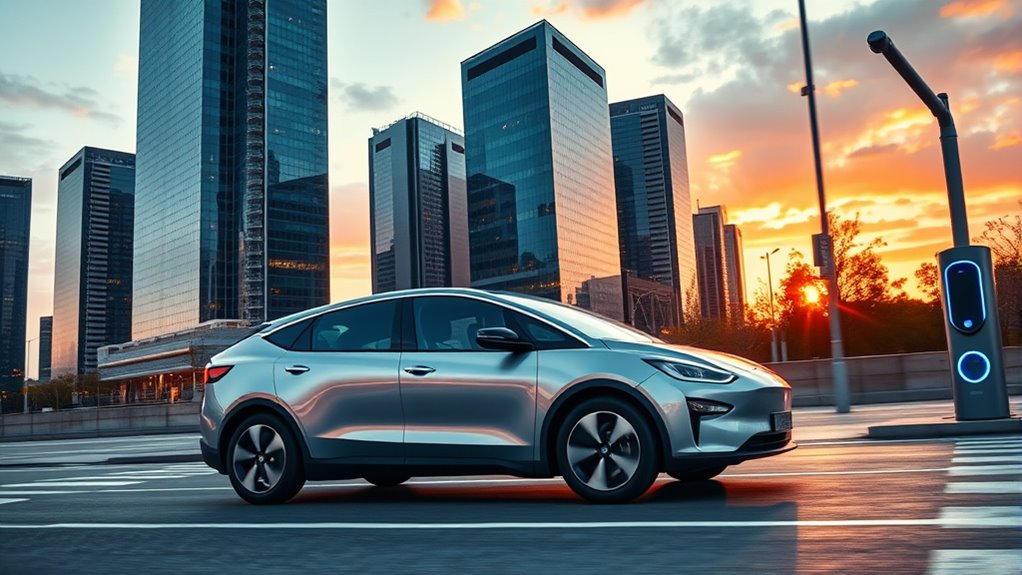
Thanks to continuous advancements in battery technology and power management systems, electric vehicles now achieve remarkable energy efficiency. Modern battery technology allows EVs to store more energy while reducing weight, making them more efficient and cost-effective. These improvements enable vehicles to cover longer distances on a single charge, minimizing energy waste. Additionally, EVs are increasingly integrated with renewable energy sources, allowing you to charge using clean power and reduce your carbon footprint. Innovation in power management maximizes energy use, ensuring that every bit of stored energy is used most effectively. Moreover, understanding the paranormal phenomena related to energy and power can inspire innovative solutions for sustainable energy in transportation. Incorporating Suprem fabric in vehicle interiors and accessories can also enhance comfort and durability, reflecting the importance of innovative materials in sustainable design. Recognizing the energy transfer processes involved in both natural and technological systems can inspire new approaches to efficient energy utilization. Exploring different energy storage methods further enhances the potential for sustainable transportation solutions. The development of renewable energy integration technologies plays a crucial role in making electric vehicles more environmentally friendly. Together, these developments make electric vehicles not only more efficient but also more sustainable, pushing the automotive industry toward a future where innovation and renewable energy work hand-in-hand for a cleaner, greener world.
Supporting Sustainable Infrastructure and Future Growth

As electric vehicles become more energy-efficient and innovative, building the infrastructure to support their widespread adoption becomes increasingly important. Installing more charging stations guarantees you can recharge conveniently wherever you go, reducing range anxiety and encouraging EV use. Investing in grid integration allows renewable energy sources to efficiently supply power to charging stations, making the entire system more sustainable. Advanced grid technology helps balance supply and demand, preventing overloads while supporting future growth. Safety considerations are essential to ensure that charging stations and electrical systems are used correctly and securely. Incorporating outdoor safety measures into charging station design can help prevent accidents and ensure reliable operation in various environments. Additionally, implementing smart grid technology can optimize energy distribution and enhance the reliability of the charging network. Emphasizing public awareness initiatives can also educate consumers about safe and effective EV charging practices. Embracing community engagement can foster public trust and support for expanding EV infrastructure. As you adopt EVs, supporting infrastructure like widespread charging stations and smarter grid integration will make electric transportation more accessible and reliable. This foundation not only benefits current users but also ensures that EVs can continue to expand, helping us move toward a cleaner and more sustainable transportation future.
Frequently Asked Questions
How Long Do Electric Vehicle Batteries Typically Last?
Electric vehicle batteries usually last about 8 to 15 years, depending on usage and maintenance. You can expect good battery longevity with proper care, and most manufacturers offer warranties up to 8 years or 100,000 miles. Replacement costs are decreasing, but if needed, they can range from $5,000 to $15,000. By maintaining your EV properly, you’ll maximize battery life and minimize costly replacements over time.
Are Electric Vehicles Suitable for Long-Distance Travel?
Think of electric vehicles as your trusty companion on long journeys. They’re definitely suitable for long-distance travel thanks to expanding charging infrastructure and advanced battery technology. Modern EVs can cover hundreds of miles on a single charge, and quick chargers make top-ups faster than ever. As charging stations grow and batteries improve, your electric ride can take you farther than you ever imagined, making road trips smoother and more eco-friendly.
What Is the Current Availability of Charging Stations Nationwide?
You’ll find the charging infrastructure expanding rapidly across the country, making station accessibility easier than ever. Major highways and urban areas now boast numerous charging stations, ensuring you can confidently plan long trips without worry. While some remote areas might have fewer options, overall, the network is growing, providing reliable access. This progress makes electric vehicle ownership more convenient, and you’ll benefit from the increasing availability of charging stations nationwide.
How Do Electric Vehicles Perform in Extreme Weather Conditions?
Sure, your electric vehicle (EV) might shiver on icy roads, but thanks to advanced battery thermal management, it stays relatively warm and functional. In extreme cold, you’ll notice some range loss, and ice road performance can be tricky—think skating rink, not highway. Yet, with smart tech, your EV adapts better than you’d expect, proving it’s not just a fair-weather friend but a hardy companion even in the chilliest storms.
Can Electric Vehicles Be Easily Financed or Leased?
Yes, electric vehicles are easy to finance or lease. You can explore various financing options, including loans and government incentives, which make purchasing more affordable. Leasing benefits are also appealing; they often come with lower monthly payments and the chance to upgrade to newer models sooner. Check with dealerships and financial institutions to find the best deals tailored to your budget, making your shift to electric smoother and more cost-effective.
Conclusion
Switching to electric vehicles isn’t just good for the environment — it’s a smart move for your wallet and your driving experience. Did you know that EVs produce 40% fewer emissions than traditional cars? By going electric, you’re helping reduce pollution, saving money on fuel, and supporting a greener future. Embrace this change today, and be part of the movement driving toward a cleaner, more sustainable world for generations to come.