Yes, non-Tesla EVs can now access Tesla Superchargers, especially in North America where Tesla has introduced the NACS connector supporting non-Tesla cars. Compatibility depends on your vehicle’s charging port and region, and you may need an adapter or use stations with dual connectors. Access usually requires using Tesla’s app or a third-party payment system. To discover how to maximize this network’s benefits, continue exploring the latest updates on Tesla’s charging options.
Key Takeaways
- Tesla’s Superchargers in North America are increasingly opening to non-Tesla EVs via NACS connectors and adapters.
- Compatibility depends on your vehicle’s charging port and regional standards, such as CCS in Europe.
- Non-Tesla EV owners can access Superchargers using the Tesla app, third-party apps, or contactless payments.
- Not all Superchargers are available to non-Tesla vehicles yet; check station status and compatibility beforehand.
- Ongoing upgrades and network expansion aim to make Tesla’s Supercharger network more accessible to all EVs.
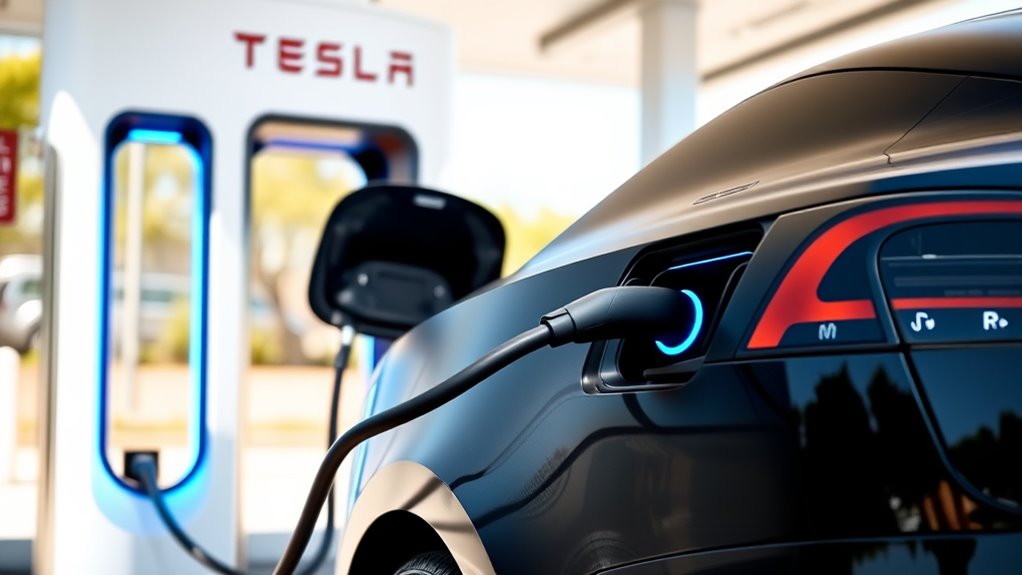
Tesla’s Supercharger network has long been a major advantage for Tesla owners, but now, more non-Tesla electric vehicle (EV) owners are wondering if they can also access these fast chargers. The answer isn’t straightforward, as charging compatibility and access procedures play key roles in determining whether you can use these stations. Traditionally, Tesla’s Superchargers were exclusive to Tesla vehicles, thanks to proprietary connectors and software. However, recent developments are changing that landscape, making it more feasible for non-Tesla EVs to tap into this expansive charging network.
Charging compatibility is the first hurdle you need to consider. Tesla Superchargers in North America primarily use the Tesla proprietary connector, which isn’t compatible with most non-Tesla EVs. But with the introduction of the North American Charging Standard (NACS) connector, Tesla has begun *progressing* its Superchargers to support non-Tesla EVs. Some newer stations are now equipped with adapters or dual connectors, allowing non-Tesla vehicles to plug in directly. In regions like Europe, Tesla’s Superchargers already use the CCS (Combined Charging System) standard, which most non-Tesla EVs also support. This means that, depending on your vehicle’s charging port, compatibility may be straightforward or require an adapter.
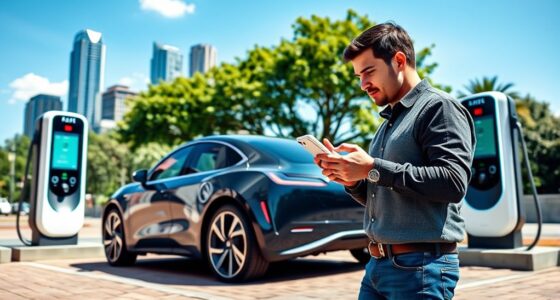
Access procedures are equally important. Tesla has started opening its Supercharger network to non-Tesla EVs through a few different methods. In North America, you’ll typically need to use the Tesla app or a compatible charging network app to initiate a charge. Some stations require you to register your vehicle beforehand, linking your account to your vehicle’s details. Once connected, you’ll authorize the charge via the app or a contactless payment method. Tesla has also begun integrating third-party payment systems into some Superchargers, simplifying the process for non-Tesla drivers. Keep in mind, not all Superchargers are open to non-Tesla vehicles yet, as the rollout is ongoing.
Frequently Asked Questions
Are There Any Costs Associated With Using Tesla Superchargers for Non-Tesla EVS?
Yes, there are charging costs for non-Tesla EVs using Tesla Superchargers. You’ll pay based on Tesla’s fee structure, which varies by location and charging speed. The costs typically include a per-kilowatt-hour rate or a per-minute fee, so be prepared for potential higher expenses compared to other chargers. Always check the specific fee structure at your charging station, as prices can differ across regions.
How Do Non-Tesla EV Owners Find Nearby Tesla Supercharger Stations?
You can find nearby Tesla Supercharger stations using the Tesla app or their website, which show real-time supercharger availability. When visiting, follow charging etiquette by parking properly and limiting your charging time if others need a spot. Keep an eye on supercharger availability to avoid congestion, and plan your route accordingly. This guarantees a smooth charging experience and respectful use of the network for all EV owners.
What Are the Charging Speeds for Non-Tesla EVS on Tesla Superchargers?
You might worry about charging compatibility, but non-Tesla EVs can use Tesla Superchargers with the right adapter. Charging speeds vary depending on your vehicle’s capabilities and the Supercharger’s power level, often reaching up to 250 kW for compatible models. Keep in mind, using an adapter might slightly reduce charging speed, but it’s still a fast, convenient way to recharge on Tesla’s extensive network, saving you time during long trips.
Is There a Membership or Registration Process to Access Tesla Superchargers?
You need to complete a registration process to access Tesla Superchargers, which involves creating an account through the Tesla app or website. Membership requirements include providing your vehicle details and payment information. Once registered, you can use the Tesla app or your account to locate Superchargers, start charging sessions, and manage payments. No separate membership fee exists; registration grants you access to the charging network.
Do Non-Tesla EVS Need Special Adapters to Connect to Tesla Superchargers?
Did you know that over 60% of EV owners want more charging options? Non-Tesla EVs do need special adapters to connect to Tesla Superchargers. Adapter compatibility is essential; you’ll need a specific charging connector that fits Tesla’s Supercharger port. Make sure your vehicle supports the necessary adapter to safely charge at Tesla stations, expanding your charging options and reducing range anxiety.
Conclusion
Think of Tesla Superchargers as a secret garden with exclusive gates. While it’s tempting to wander in, only Tesla vehicles have the key—unless you find a clever way in. As the charging network opens up to non-Tesla EVs, it’s like discovering hidden pathways. Stay informed and adaptable, and soon you’ll navigate the charging landscape with ease, turning what once felt like an exclusive club into a shared garden open for all to enjoy.