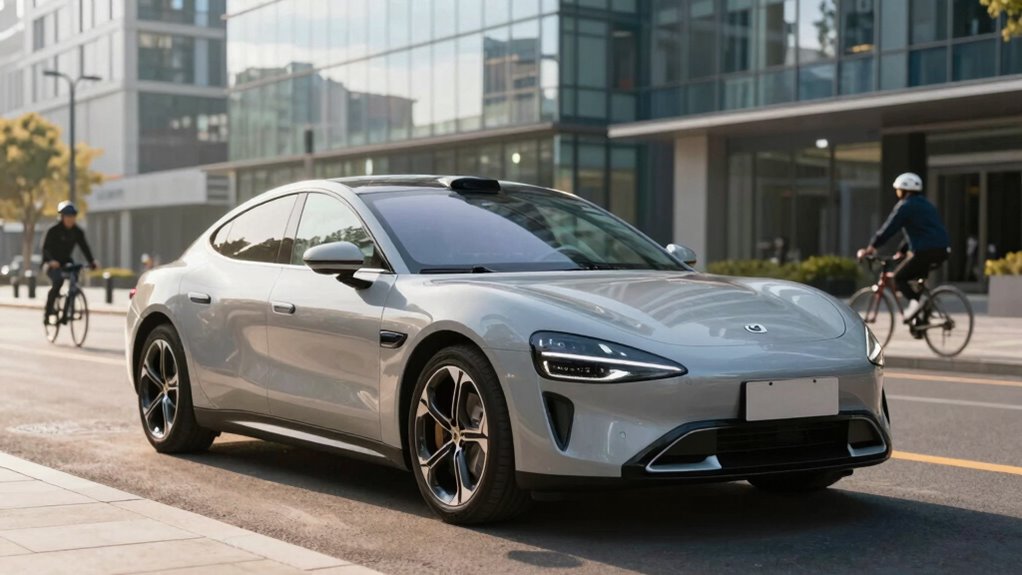

To think about efficiency instead of just range, focus on how well your EV converts energy into motion. Consider factors like battery longevity, which affects long-term performance and costs, and charger speed to reduce downtime. Prioritize vehicles that optimize energy use, not just maximum distance. Understanding these aspects helps you make smarter choices and get better value over time. Keep exploring to uncover how these factors truly impact your ownership experience.

Get backup power and energy gear delivered free — and shop member deals
- Fast, free delivery on millions of items
- Access to Prime Big Deal Days deals on October 6–7
- Prime Video, Amazon Music and more included
Key Takeaways
- Prioritize energy conversion efficiency to ensure the vehicle uses less energy for the same distance.
- Consider battery longevity and how well it maintains capacity over time, not just initial range.
- Assess charging speed to reduce downtime and improve practical usability during trips.
- Evaluate overall ownership costs, including maintenance and battery replacement, beyond just initial range.
- Focus on a balanced approach that combines efficiency, battery health, and charging convenience for long-term benefits.
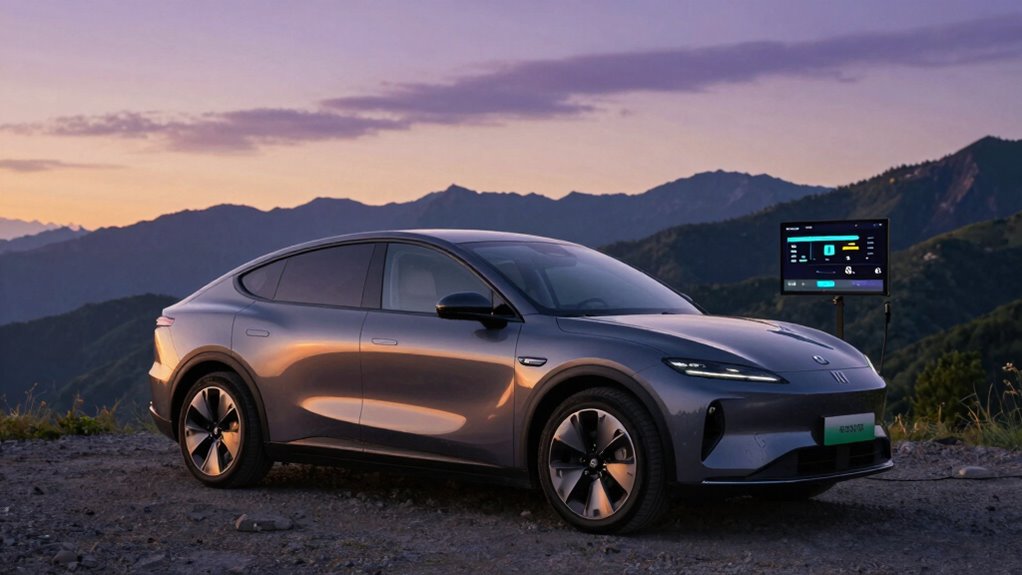
When evaluating electric vehicles, it’s tempting to focus solely on their range, but that approach overlooks a vital factor: efficiency. Range can seem like the most straightforward measure of a car’s capability, but it doesn’t tell the whole story. Efficiency encompasses how well the vehicle converts energy into motion, which impacts not just how far you can go but also how long the vehicle lasts and how convenient it is to own. Instead of fixating on maximum range, consider how efficiently the car uses its battery energy, especially in relation to battery longevity and charging speed.
Battery longevity plays a crucial role in understanding a vehicle’s long-term efficiency. A car that maintains its battery health over many years minimizes replacement costs and reduces environmental impact. Look beyond initial range figures to see how the battery ages and how that aging affects overall performance. A highly efficient EV will use energy more effectively over time, meaning it preserves battery capacity longer, so your investment lasts longer without significant degradation. This efficiency not only saves you money but also ensures that you won’t be constantly seeking new vehicles or expensive repairs, making your ownership experience smoother and more sustainable. Additionally, understanding the battery capacity and how it influences overall efficiency can help you make more informed choices.
Charging speed is another vital aspect of efficiency. Even if a vehicle has a decent range, slow charging can hamper your daily convenience and overall usability. Fast-charging capabilities allow you to replenish your battery quickly, reducing downtime and making long trips more feasible. When you prioritize charging speed, you’re optimizing the overall efficiency of your vehicle—using less time waiting at charging stations and more time on the road. This becomes especially important in busy lifestyles, where every minute counts. A vehicle with efficient energy use coupled with quick charging creates a seamless experience, making electric driving more practical and less stressful.
electric vehicle energy efficiency monitor
As an affiliate, we earn on qualifying purchases.
As an affiliate, we earn on qualifying purchases.
Frequently Asked Questions
How Is Efficiency Measured in Electric Vehicles?
You measure efficiency in electric vehicles by looking at energy consumption, typically in miles per kilowatt-hour (kWh) or kilowatt-hours per 100 miles. Factors like battery chemistry influence efficiency, as advanced chemistries can store more energy with less weight. A more efficient EV uses less energy to travel the same distance, meaning you get more range from each charge, saving you money and reducing environmental impact.
Does Higher Efficiency Always Mean Faster Charging?
Higher efficiency doesn’t always mean faster charging. While efficient batteries can better convert energy, factors like battery degradation and the quality of charging infrastructure also play vital roles. A more efficient EV may charge faster if it’s well-maintained and connected to fast chargers. However, if the battery degrades or infrastructure is limited, charging speeds can slow down regardless of efficiency. So, efficiency isn’t the only factor affecting charging speed.
Can Efficiency Improvements Affect Vehicle Safety?
Improving efficiency can enhance vehicle safety by extending battery longevity and maintaining safety thresholds. For example, a car manufacturer’s new battery design reduces thermal stress, lowering the risk of overheating. This not only preserves battery health but also prevents safety hazards. When efficiency improvements optimize power use, they help keep battery temperatures within safe limits, ensuring that safety isn’t compromised while boosting overall vehicle reliability.
What Role Does Driving Style Play in Efficiency?
Your driving style considerably impacts efficiency. By adopting smooth driving habits, you reduce unnecessary acceleration and braking, saving energy. Pay attention to throttle response—gentle, gradual inputs help optimize power use and improve range. Quick, aggressive throttle responses waste fuel or battery power, decreasing efficiency. So, consciously controlling your driving habits and being mindful of throttle response can boost your vehicle’s efficiency, extending your range and lowering overall energy consumption.
How Do Climate Conditions Impact Vehicle Efficiency?
Have you noticed climate variability affects your vehicle efficiency? Weather impact plays a significant role—cold temperatures can reduce battery performance and increase energy use, while hot weather forces your AC to work harder. Wind resistance and rain also add to energy consumption. So, isn’t it wise to take climate conditions into account when planning your drives? Adjusting your driving habits based on weather can help maximize efficiency and conserve energy.
As an affiliate, we earn on qualifying purchases.
Conclusion
So, step beyond simple span and start seeing sustainability in your stride. By balancing battery brightness with broader benefits, you’ll foster a future where functionality and fairness flourish. Focus on fuel, finesse, and finesse—fuel efficiency, that is—rather than just fixating on fleeting range. Embrace the essence of energy, effort, and excellence. With wise, well-rounded choices, you’ll not only maximize your motor’s might but also master the move toward meaningful, measurable mileage.
EV battery health maintenance kit
As an affiliate, we earn on qualifying purchases.
As an affiliate, we earn on qualifying purchases.
As an affiliate, we earn on qualifying purchases.
Fall Picks
fall essentials
As an affiliate, we earn on qualifying purchases.