
AIThis post was created with the assistance of artificial intelligence (AI).
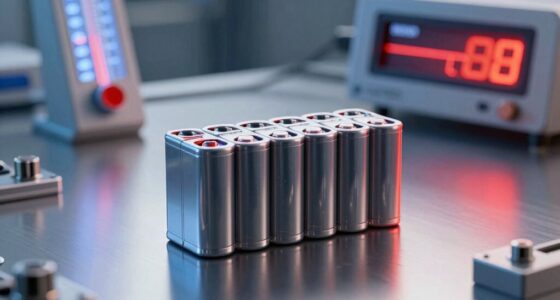
A life cycle assessment based on data from a Chinese sodium-ion factory, published in Environmental Impact Assessment Review, estimates that layered-oxide sodium-ion battery packs emit 56.8 kg of CO2 equivalent per kWh cradle-to-gate, roughly 25 percent less than the 75.5 kg estimated for comparable LFP packs. However, a separate 2025 European study by Fraunhofer and RWTH Aachen University reached the opposite conclusion, estimating sodium-ion cells at 75 to 87 kg CO2 equivalent per kWh versus 59 to 70 kg for LFP cells. The discrepancy highlights how heavily the climate case for sodium-ion depends on manufacturing location, electricity mix, and chemistry, and it complicates procurement decisions for automakers and grid-storage developers weighing the technology against established lithium-ion options.
At a glance
The developmentTwo newly published life cycle assessments have reached conflicting conclusions on whether sodium-ion batteries carry a lower manufacturing carbon footprint than lithium iron phosphate (LFP) cells, a question with significant implications for grid storage and budget electric veh…

Prime Big Deal Days · Oct 6–7Offer from Amazon
Get backup power and energy gear delivered free — and shop member deals
- Fast, free delivery on millions of items
- Access to Prime Big Deal Days deals on October 6–7
- Prime Video, Amazon Music and more included
Start your free Prime trial Free trial for eligible customers · Cancel anytime
As an affiliate, we earn on qualifying purchases.
Why It Matters
Sodium-ion batteries are seen as a promising lower-cost alternative to lithium-ion for stationary storage and entry-level electric vehicles, in part because they avoid lithium, cobalt, and nickel. If their carbon footprint is genuinely lower — as the Chinese factory-data study suggests — that would strengthen the climate case for deploying them at scale in grid storage. But the conflicting European results show the advantage is not guaranteed and may depend on where and how the cells are made. For automakers, utilities, and policymakers setting procurement standards or carbon accounting rules, the discrepancy means sodium-ion cannot yet be assumed to be the greener choice without supply-chain-specific data.Source: rss
Fall Picks
fall essentials
fall essentials
As an affiliate, we earn on qualifying purchases.