
TL;DR
A solar backup power system combines solar panels, a battery, an inverter, and transfer equipment to keep selected circuits—or, with suitable capacity, an entire home—running during an outage. Panels alone usually shut down when the grid fails, so check that your equipment can safely disconnect from the grid and recharge the battery while operating independently. Size the inverter for peak power and startup surges, and size the battery for the hours of energy you need.
Standard grid-tied panels usually shut down during an outage unless backup-capable equipment can safely isolate the home from the grid.
Battery kWh measures stored energy; inverter kW and surge capacity determine which loads can run at once.
Start your sizing plan with the circuits you need, their operating and startup demand, and the hours of backup you want.
Solar may recharge a battery during an outage only if the system supports islanded operation and sunlight, weather, and household demand allow it.
Compare usable capacity, inverter ratings, warranty limits, installation requirements, and program terms before choosing a system.

Get backup power and energy gear delivered free with Prime
- Fast, free delivery on millions of items
- Prime Video, Amazon Music and more included
- Member-only deals all year
What a Solar Backup System Can Keep Running
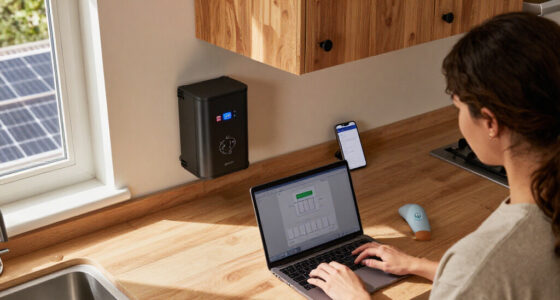
A solar backup power system combines panels, a battery, an inverter, transfer equipment, and controls to supply electricity during a grid outage. The transfer equipment disconnects your home from the utility and directs power from the system to the circuits it can support. That separation protects utility workers and lets the backup system operate safely. A common setup backs up a short list of essential loads: the refrigerator, a few lights, internet equipment, and selected outlets. For example, during a summer storm, your fridge can stay cold, your router can keep your phone connected, and one lamp can light the kitchen while you leave the oven and clothes dryer off. A larger system may support more circuits or the whole home, depending on its inverter, battery, and electrical equipment. Panels alone generally cannot provide this protection. Most standard grid-tied inverters shut down when the grid fails, even if sunlight is streaming onto the roof. That shutdown prevents electricity from flowing back onto lines that utility crews may be repairing. Your system needs backup-capable equipment and a safe way to isolate from the grid before solar can help during an outage. Backup coverage is a design choice, not an automatic feature of every solar installation. Ask which circuits will stay powered, which equipment performs the transfer, and whether the system can recharge from panels while isolated. A quote that simply lists solar panel capacity won’t answer those questions.Products Worth Considering

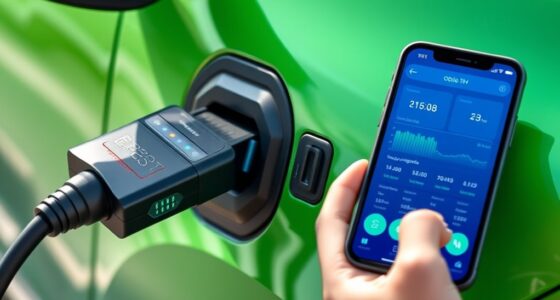
Autel MaxiCharger 80A Level 2 EV Charger, Hardwired, J1772

DEWALT 20V MAX XR 3-Speed Hammer Drill and Impact Driver Combo Kit with POWERPACK Batteries

Autel 50A Level 2 Hardwired EV Charger with 25 ft J1772 Cable
As an affiliate, we earn on qualifying purchases.
Choose Battery Energy and Inverter Power Separately
The battery’s kilowatt-hours (kWh) describe how much energy it stores, while the inverter’s kilowatts (kW) describe how much power it can supply at one time. Think of kWh as the size of the fuel tank and kW as the width of the outlet: one affects how long backup lasts, the other affects how many appliances can run together. You need enough of both. Buying extra battery capacity won’t solve an inverter that cannot start a pump, and a powerful inverter won’t extend runtime if the battery is small. Consider a refrigerator that runs in cycles. Its average energy use affects how long the battery lasts, but its compressor may draw a brief startup surge when it kicks on. If the inverter cannot handle that surge, the refrigerator may fail to start even when the battery still has plenty of charge. The same issue can show up with pumps, air conditioners, and other motor-driven appliances. Surge requirements can also affect which loads are practical to run together, so ask how the proposal accounts for appliances starting at the same time. This is why a large battery does not automatically mean a powerful backup system. Imagine a household with a sizable battery but an inverter that cannot support the refrigerator, microwave, and well pump starting close together. The stored energy sits there, but the system may limit which loads can run at once. Increasing inverter capacity can remove that bottleneck, though it does not create more stored energy; running those additional loads may make the battery drain faster. Energy and power answer different questions: how long can the battery supply your planned loads, and how much can the system supply at a given moment? Ask installers for the battery’s usable capacity, the inverter’s continuous power rating, and its surge capability. Usable capacity matters because not all of a battery’s rated energy may be available to household loads. Together, these figures show both the system’s runtime potential and the appliances it can start.Estimate the Circuits You’ll Actually Need
To estimate your backup needs, list the appliances you want to run, check their power use, and decide how many hours you want them available. Then compare their combined demand with the inverter’s output and their expected energy use with the battery’s usable capacity. This separates two common sizing problems: too much simultaneous demand can exceed the inverter, while too many hours of use can empty the battery. The goal is a realistic outage plan, not a guess based on the size of your house. Start with a simple evening scenario. Your refrigerator cycles on and off, a few LED lights stay on, your router runs all night, and you charge two phones. You may be able to leave an electric water heater, clothes dryer, and vehicle charger off the backup circuits. That choice can stretch stored energy across a longer outage. It also helps avoid spending on capacity for loads you can comfortably do without during an emergency. If you depend on a well pump, sump pump, or medical equipment, however, those needs may matter more than convenience loads and should shape the system from the start.- List essential loads: refrigerator, selected lighting, internet, medical equipment, sump pump, or a small number of outlets.
- Check running and startup demand: motors may need a short surge above their normal operating power, affecting what can start at the same time.
- Set a time goal: decide whether you need coverage through the evening, overnight, or a longer outage; longer coverage generally calls for more usable energy or reduced demand.
- Plan which loads to switch off: high-demand appliances can drain stored energy quickly and may crowd out higher-priority circuits.
Know When Solar Can Recharge Your Battery
Panels can extend backup runtime during an outage only if the system is designed to operate while disconnected from the grid and conditions allow it to generate power. The battery supplies stored energy after sunset; panels generate electricity when sunlight reaches them. Together, they may support a longer outage than a battery alone, but they don’t guarantee an endless supply. For the system to keep going over multiple days, solar generation must eventually replace at least as much energy as the household uses, after conversion losses. Suppose a spring storm knocks out power overnight. The battery carries the refrigerator and lights until morning, then the panels begin charging it as the clouds thin. If heavy cloud cover persists, nearby trees shade the roof, or snow covers the panels, the system may produce too little energy to refill the battery that day. Household demand matters too: running an electric heater can consume energy faster than weak winter sun replaces it. The result can be a battery that starts the evening with less charge each day, even though the panels are working whenever conditions permit. Your panel orientation, season, shading, weather, and appliance use all shape the result. A system that recharges well on a clear summer day may deliver far less in a dark winter week. Ask whether your specific equipment can recharge from solar in islanded operation—that is, while safely separated from the grid—and what settings control charging during an outage. Also ask how the system balances household use against charging; power used immediately by appliances may not be available to refill the battery. Solar can replenish a battery, but only when the hardware and weather cooperate. If you need to preserve energy through several cloudy days, the system design may need more storage, stricter load priorities, or another backup source. Each option has a tradeoff: additional storage gives you a larger reserve but still needs energy to refill it, while reducing loads can extend runtime but limits comfort and convenience. Have the installer explain the expected tradeoffs for your home rather than promise a fixed number of backup hours without stating the loads and weather assumptions.Compare Essential-Circuit and Whole-Home Backup
Essential-circuit backup concentrates power on selected loads, while whole-home backup aims to support most or all of the home. Whole-home coverage can offer more convenience, but it calls for enough inverter capacity, battery energy, and suitable electrical equipment to handle the loads you use together. The right choice depends on what you need to keep running and what you can switch off. Selecting a smaller group of circuits can reduce system cost and stretch energy during a long outage, but it means accepting that some parts of the home will have no power. Picture a winter outage in a home with electric heating. Keeping a refrigerator, router, and several lights powered is a very different job from also running a large heating system, water heater, and vehicle charger. Those high-demand loads can use stored energy quickly, and the inverter has to support their power demands. A home may have enough battery energy for the night but still exceed inverter capacity if several large appliances start at once. Conversely, an inverter may support those loads momentarily, but the battery could still run down quickly if they operate for hours.| Backup approach | What it can suit | Main tradeoff |
|---|---|---|
| Selected circuits | Refrigeration, lighting, internet, and priority outlets | You may need to leave other appliances off |
| Whole-home design | Broader coverage, if the equipment supports your loads | Large loads can require more power and stored energy |