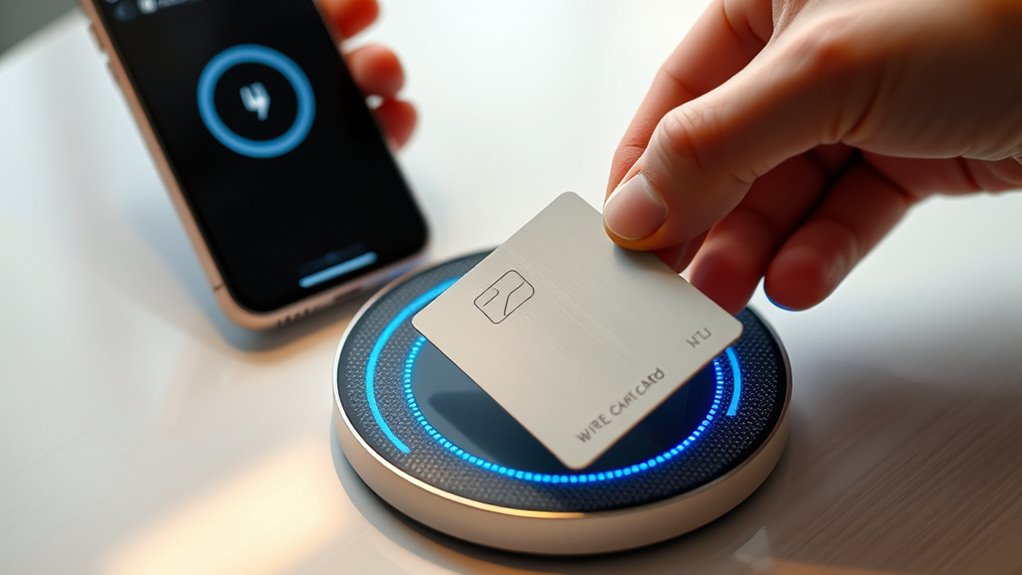

Whether you need an RFID charging card depends on your device and lifestyle. These contactless, portable options can be handy if your phone app isn’t compatible or if you want quick access to charging on the go. However, they may not work universally and can present security concerns. If you’re curious about the pros and cons or want to see if one fits your needs, you’ll find valuable insights below.

Get backup power and energy gear delivered free with Prime
- Fast, free delivery on millions of items
- Prime Video, Amazon Music and more included
- Member-only deals all year
Key Takeaways
- Phone apps often provide more reliable, secure, and compatible charging solutions than RFID charging cards.
- RFID cards offer quick, contactless charging but may face security risks and limited device compatibility.
- Apps typically support multiple devices and updates, reducing the need for separate RFID cards.
- RFID cards are useful if your device or station isn’t app-compatible or for situations needing quick access.
- Consider security, compatibility, and convenience before choosing an RFID card over a smartphone app.
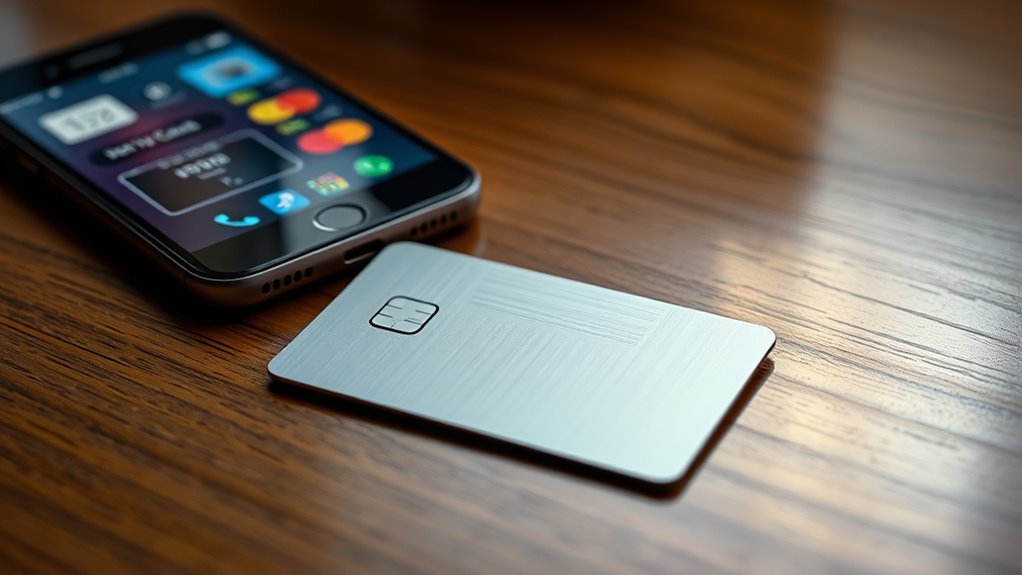
Have you ever wondered how you can charge your devices quickly and conveniently? RFID charging cards are gaining popularity as a portable solution, but you might still be asking yourself whether you really need one or if your phone app can do the job just as well. These cards are designed to allow contactless charging, making it simple to power up your devices on the go without fumbling with cables. However, before you invest in one, it’s important to contemplate some potential drawbacks, particularly regarding security concerns and compatibility issues.
Security concerns are a real consideration when it comes to RFID charging cards. Since these cards operate through wireless communication, there’s always a risk that malicious actors could intercept signals and access your data or even manipulate the charging process. While most RFID cards incorporate encryption to prevent unauthorized access, vulnerabilities still exist, especially if the card or the charging station isn’t properly secured. If you’re someone who values privacy and security above all else, you might hesitate to rely solely on an RFID card. You should also be aware of the fact that some RFID charging cards are not universally compatible with all devices or charging stations. Compatibility issues can stem from differences in frequency, technology standards, or the specific requirements of your device. For example, some cards may only work with certain brands or models, or they might require particular charging pads or stations that aren’t readily available in your area. This means you could end up with a card that doesn’t work with your existing devices, rendering it useless and forcing you to look for alternative solutions.
RFID charging cards may face security risks and compatibility issues with certain devices and stations.
Additionally, while RFID charging cards offer convenience, they’re not always as reliable as wired charging or even some advanced smartphone apps. Inconsistent power transfer and the need for specialized charging stations can limit their practicality. If you’re an avid traveler or someone who frequently needs to charge multiple devices quickly, you might find that these cards don’t always meet your needs, especially if compatibility issues or security concerns make you hesitant to adopt them fully.
Furthermore, it’s worth noting that Vetted security standards are essential for ensuring that your wireless charging method remains safe and trustworthy. If you’re comfortable with the technology and have verified that the RFID charging card you’re considering is compatible with your devices and comes from a reputable manufacturer, it can be a handy accessory. It offers a hands-free, portable way to keep your devices charged without the mess of cables. Still, weigh the potential security risks and compatibility challenges before making your purchase. Ultimately, whether an RFID charging card is worth it depends on your specific needs and how much you’re willing to compromise on security and compatibility for added convenience.
As an affiliate, we earn on qualifying purchases.
Frequently Asked Questions
Can RFID Charging Cards Be Used Internationally?
RFID charging cards generally aren’t suitable for international use due to compatibility issues. International compatibility depends on voltage standards and RFID frequency, which vary across countries. If you plan to travel, check if your RFID card works with local voltage standards and frequency systems. Otherwise, your phone app might be a better choice, as it often adapts more easily to different international setups without needing a physical card.
Are RFID Charging Cards Compatible With All Smartphone Brands?
RFID charging cards aren’t compatible with all smartphone brands due to device limitations and compatibility issues. Most modern phones with NFC (Near Field Communication) can work with RFID cards, but some older or less common models might not support this feature. Before relying on an RFID charging card, check your phone’s specifications to verify it has NFC capabilities, preventing any frustration caused by incompatibility issues.
How Secure Are RFID Charging Cards Against Theft or Hacking?
RFID charging cards have decent security but aren’t completely foolproof. They use encryption standards to protect your data, reducing hacking risks. However, skilled hackers could potentially intercept signals or clone cards. To stay safer, keep your RFID cards in secure places, and monitor your accounts for suspicious activity. While they’re generally secure enough for everyday use, always remain cautious about potential hacking threats.
What Is the Average Lifespan of an RFID Charging Card?
You can expect your RFID charging card to last around 3 to 5 years, depending on card durability and usage. Factors like frequent handling, exposure to water, or bending can shorten its lifespan. To maximize its lifespan estimation, keep it protected in a wallet or cardholder and avoid extreme temperatures. With proper care, your card should serve you well for several years, making it a reliable option for contactless charging needs.
Do RFID Charging Cards Require Regular Updates or Reprogramming?
You’ll be glad to know that RFID charging cards typically don’t require regular updates or reprogramming, as most are designed for long-term use. Only about 10% of cards need reprogramming due to security updates or system changes. If you notice issues, you might need to update the card reprogramming or adjust security settings. Otherwise, these cards usually work seamlessly without frequent update requirements, making them a reliable choice.
As an affiliate, we earn on qualifying purchases.
Conclusion
Whether you choose an RFID charging card or stick with your phone app, it’s all about what feels safest and most convenient for you. Imagine losing your phone but still having that RFID card on your keychain—your backup for quick, hassle-free charging. For example, Sarah kept her RFID card on her bag’s strap, ensuring she could charge anytime, anywhere, even when her phone was dead. Sometimes, a simple backup makes all the difference.
RFID charging card security features
As an affiliate, we earn on qualifying purchases.
As an affiliate, we earn on qualifying purchases.
As an affiliate, we earn on qualifying purchases.
Halloween Picks
halloween
As an affiliate, we earn on qualifying purchases.