
To keep your EV charging cable organized and tangle-free, choose smart storage solutions like reels, hooks, or dividers, and secure cables with Velcro straps or cable ties. Coil your cable using gentle, consistent loops to avoid damage, and assign a designated spot for charging to prevent clutter. Regularly inspect and maintain your cables to guarantee safety and longevity. Keep these tips in mind, and if you continue exploring, you’ll discover more organization strategies.
Key Takeaways
- Use cable reels, hooks, or clips to prevent tangles and keep cables organized.
- Properly coil cables with gentle, circular motions and leave slack at the ends to avoid stress.
- Secure cables with Velcro straps or cable ties for adjustable, durable bundling.
- Designate a specific charging spot with labeled storage and clips to streamline access.
- Regularly inspect and clean cables and connectors to prevent damage and ensure reliable charging.

EV Charger Cable Retractor – 11.5ft Ceiling Mounted Automatic Retractable Cable Organizer for Electric Vehicle Charging, Universal Fits 95% of EV Charging Cables
Effortless One-Touch Retraction–The cable can extend up to 11.5 feet and automatically retracts when released, keeping it neatly…
As an affiliate, we earn on qualifying purchases.
As an affiliate, we earn on qualifying purchases.
Choose the Right Storage Solutions
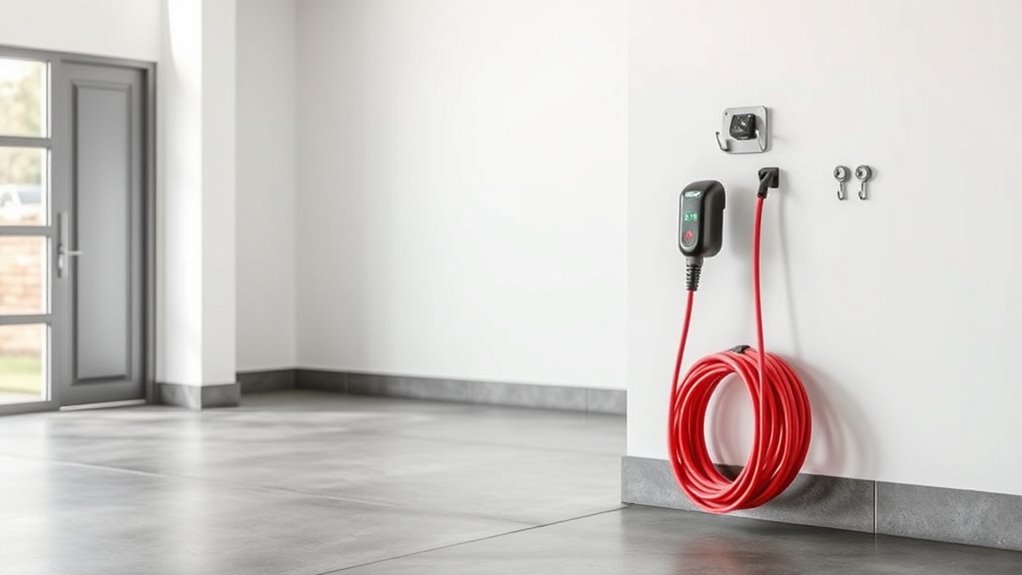
Choosing the right storage solutions is essential for keeping your EV charging cable neat and accessible. Start by selecting cable management tools like reels, hooks, or clips that keep your cable off the ground and prevent tangles. These tools help you organize your cable efficiently and make it easy to grab when needed. Additionally, invest in sturdy storage containers designed for cables; they protect your charger from dust and damage while maintaining a tidy space. Look for containers with compartments or adjustable dividers to keep different cables separated and easy to find. Proper storage solutions not only extend the lifespan of your charging cable but also keep your charging area clean and clutter-free, making your charging routine smoother and more convenient. Incorporating Free Floating techniques can also help keep your cables organized and prevent them from tangling. Utilizing proper cable management strategies can significantly reduce clutter and improve overall organization, especially when combined with color coding to quickly identify different cables. Additionally, considering smart storage options that incorporate automation or sensor-based organization can further enhance your cable management system. Implementing modular storage systems offers flexibility to adapt your setup as your collection of cables grows or changes.

Leviton Charging Cable Management Wall Hook, EV, EHOOK
Easily manage your charging cable with the EHOOK wall hook
As an affiliate, we earn on qualifying purchases.
As an affiliate, we earn on qualifying purchases.
Use Cable Ties and Velcro Straps

Using cable ties and Velcro straps is one of the simplest ways to keep your EV charging cable organized. They improve cable management by securely bundling your cable, reducing clutter, and preventing tangles. Velcro straps are adjustable, making them ideal for different cable lengths, while cable ties provide a firm hold. To maximize tangle prevention, consider grouping cables by length or usage and securing them with these tools. Here’s a quick comparison:
| Feature | Cable Ties | Velcro Straps | Use Case |
|---|---|---|---|
| Adjustability | No | Yes | Temporary or adjustable bundling |
| Reusability | No | Yes | Frequent reorganization |
| Ease of Use | Fast to secure | Easy to tighten/loosen | Quick cable management |
| Durability | High | Moderate | Long-term storage |
| Tangle Prevention | Excellent | Good | Keeps cables neat and tangle-free |
Additionally, incorporating energetic alignment principles can help you maintain a positive environment for your workspace, making organization more effective. Proper cable care can also extend the lifespan of your cables and improve safety, which is essential for optimal cable longevity.
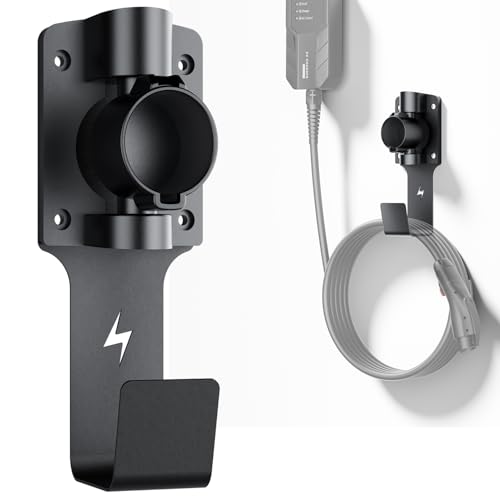
FOCSPROD EV Charger Holder, with 180° Rotation Nozzle Dock, Metal J-Hook for SAE J1772 Charger Holder Organizer Wall-Mount Connector Electric Vehicle Charging Cable Car Accessories
180° Rotation Adjustment -FOCSPROD EV Charger Holder features a unique 180° rotating nozzle dock with 5 adjustable positions,…
As an affiliate, we earn on qualifying purchases.
As an affiliate, we earn on qualifying purchases.
Properly Coil Your Charging Cable

Properly coiling your charging cable is essential for preventing damage and keeping your storage area tidy. To manage cable length effectively, avoid over-rolling or creating tight loops that stress the cable. Use a gentle, circular motion to coil the cable, maintaining a consistent diameter. This technique reduces strain on the internal wires and minimizes tangling. When coiling, incorporate cable protection tips like leaving a bit of slack at each end to prevent stress points. If your cable has a designated handle or designated coil points, use them to guide your wrap. Proper cable length management *guarantees* longevity and prevents accidental damage, while neat coils make your charging setup more organized and accessible.
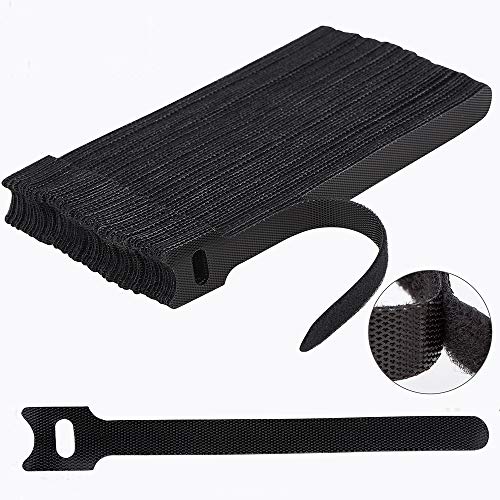
Nettbe 60 PCS 6 Inches Reusable Cable Ties, Adjustable Cord Straps Wire Organizer Cord Wrap and Hook Loop Cable Management
Reusable cable ties are made from premium nylon adhesive materials can be environmentally used multiple times
As an affiliate, we earn on qualifying purchases.
As an affiliate, we earn on qualifying purchases.
Designate a Specific Charging Spot
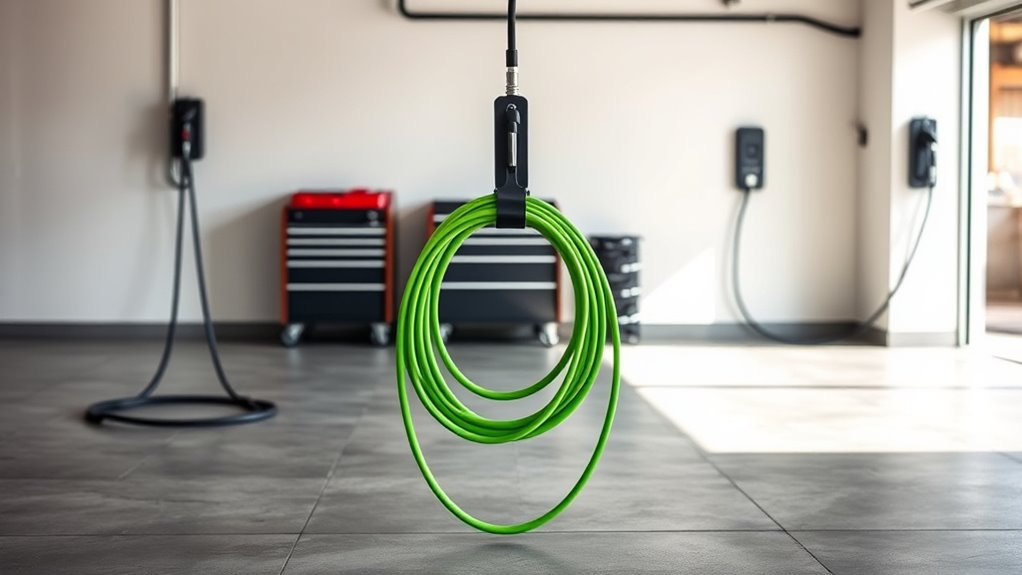
Designating a specific spot for your EV charging cable helps keep your charging routine smooth and your storage area tidy. A designated area improves charging station aesthetics and makes cable management easier. To maximize organization, consider these tips:
- Use clear cable labeling techniques to identify different cables quickly.
- Choose a consistent spot for your charging cable, whether a hook, shelf, or bin.
- Keep the area free of clutter to prevent tangling.
- Install cable clips or holders to secure the cable neatly when not in use.
- Regularly inspect and maintain your cable storage to prevent damage and ensure safety. Additionally, proper cable storage practices can extend the lifespan of your charging cable and ensure safe, reliable charging. Incorporating organized cable management techniques can further enhance your setup and reduce daily frustration.
Maintain Regular Cable Checks and Adjustments
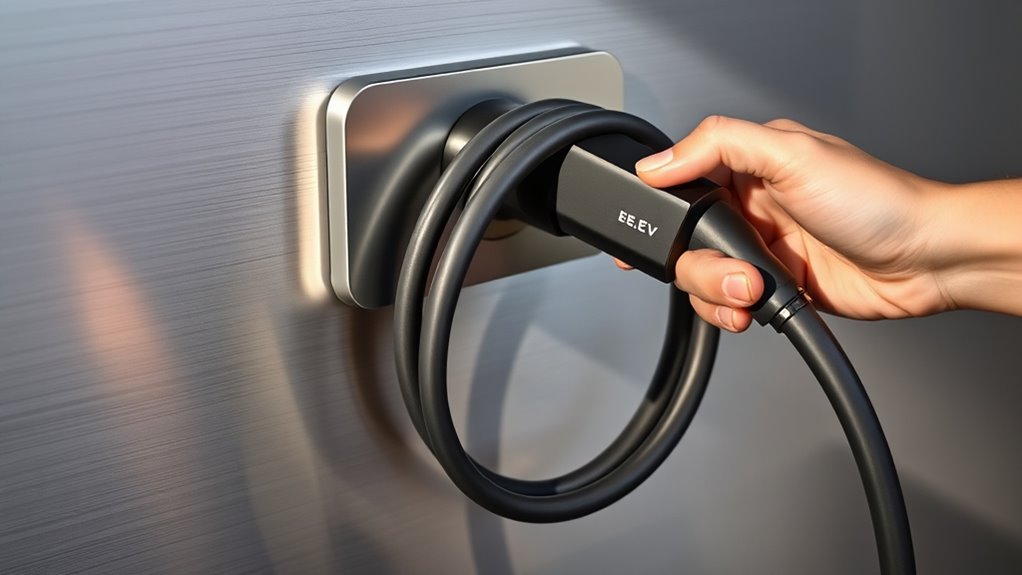
Regularly inspecting your EV charging cable guarantees it stays in good condition and functions safely. Conduct cable inspections to spot signs of wear, fraying, or damage early. Also, maintain connectors by cleaning and ensuring they fit snugly without corrosion or debris. Adjustments may be needed if you notice loose or misaligned connectors to prevent electrical issues. Use the table below to guide your maintenance routine:
| Checkpoint | Action |
|---|---|
| Cable exterior | Look for frays or cracks |
| Connectors | Clean contacts, tighten fittings |
| Flex points | Ensure no bending or stress |
| Overall condition | Replace if damage is severe |
Keeping up with these checks helps avoid unexpected failures and keeps your cable organized and tangle-free. Regular maintenance routines are essential for safe and efficient electric vehicle charging. Additionally, understanding vehicle component longevity can help you better assess when replacements are necessary. Monitoring cable wear and tear can also extend the lifespan of your equipment and ensure optimal performance. Incorporating routine visual inspections can help you detect issues early before they escalate. Being aware of potential damage signs allows for timely repairs and prevents costly replacements.
Frequently Asked Questions
What Materials Are Best for Long-Term Cable Storage?
You should use durable cable sleeves or storage containers for long-term cable storage. Cable sleeves protect your cables from wear and tear, keeping them organized and tangle-free over time. Storage containers, especially those with compartments, make it easier to separate and access cables when needed. Both options prevent damage and clutter, ensuring your EV charging cable stays in good condition for extended periods.
How Often Should I Replace Worn or Damaged Cables?
Think of your cables as trusted friends who need regular check-ups. You should inspect your cables monthly for wear or damage, and follow a consistent replacement schedule, typically every 2-3 years or sooner if you notice fraying or exposed wires. Promptly substituting worn or damaged cables ensures safety, maintains performance, and prevents unexpected failures. Regular cable inspection and timely replacement keep your charging setup reliable and safe.
Can UV Exposure Affect My EV Charging Cable?
Yes, UV exposure can affect your EV charging cable by causing UV damage, which weakens the cable’s outer insulation. Over time, this reduces cable durability, increasing the risk of cracks and tears. To protect your cable, avoid prolonged direct sunlight and consider using UV-resistant covers or storing it in shaded areas when not in use. Proper protection helps extend your cable’s lifespan and maintains its safety.
Are There Eco-Friendly Options for Cable Organization Products?
Sure, eco-friendly options exist to keep your cables neat—who knew? You can choose biodegradable organizers or ones made from recycled materials, making your cable management greener. It’s ironic how sustainability can also mean tidiness. By opting for these eco-conscious products, you help reduce waste and environmental impact while keeping your EV cable organized and tangle-free. So, go ahead, make a green choice that’s both practical and planet-friendly.
How Do Temperature Changes Impact Cable Flexibility and Safety?
Temperature changes can cause cable flexibility issues and safety concerns due to temperature expansion. When it’s hot, cables may become softer and more prone to damage, while cold weather makes them brittle and harder to bend. Always check for signs of wear, and avoid stretching or forcing cables in extreme temperatures. Proper storage and handling help maintain safety considerations, ensuring your cables stay flexible and safe to use regardless of the weather.
Conclusion
So, after all that fuss, it turns out keeping your EV cable tidy isn’t rocket science—just some simple habits. Who knew that a little organization could save you from the dreaded tangle disaster? Now, with your cables neatly coiled and designated spots, you’ll actually enjoy plugging in. Ironically, the messy cables you once ignored are now your daily reminder that a little effort keeps chaos at bay—because nobody has time for a charging spaghetti mess!